Hand Mirror
Félix Bracquemond · c. 1900 · Cleveland Museum of Art
Guide
Adjust the guideNew to it · Medium
Looking for this guide.
From the museum
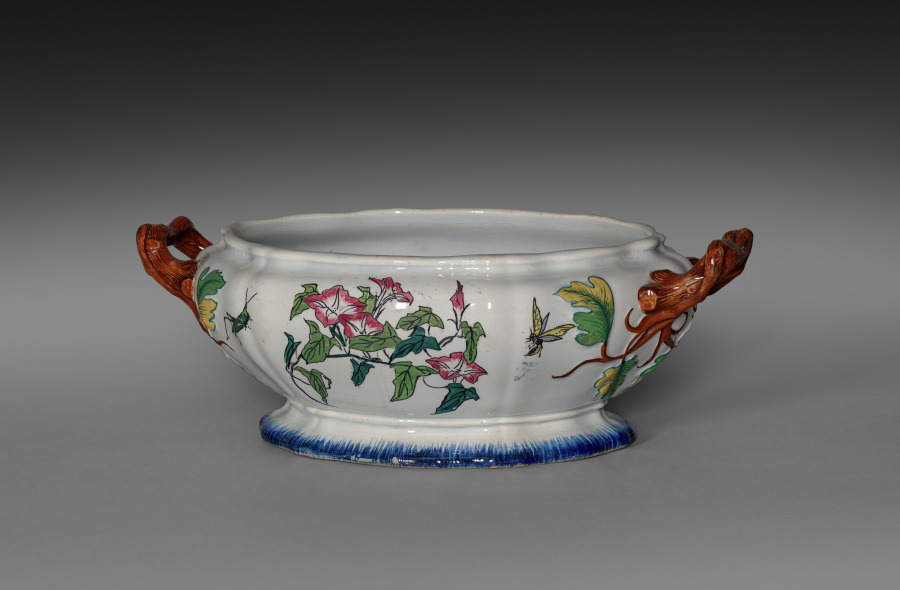
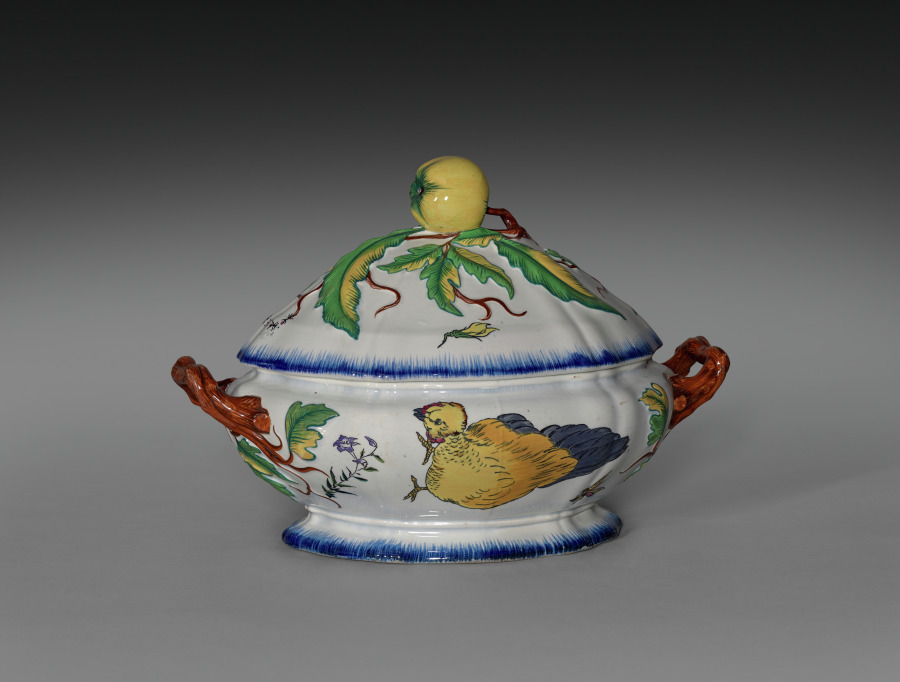
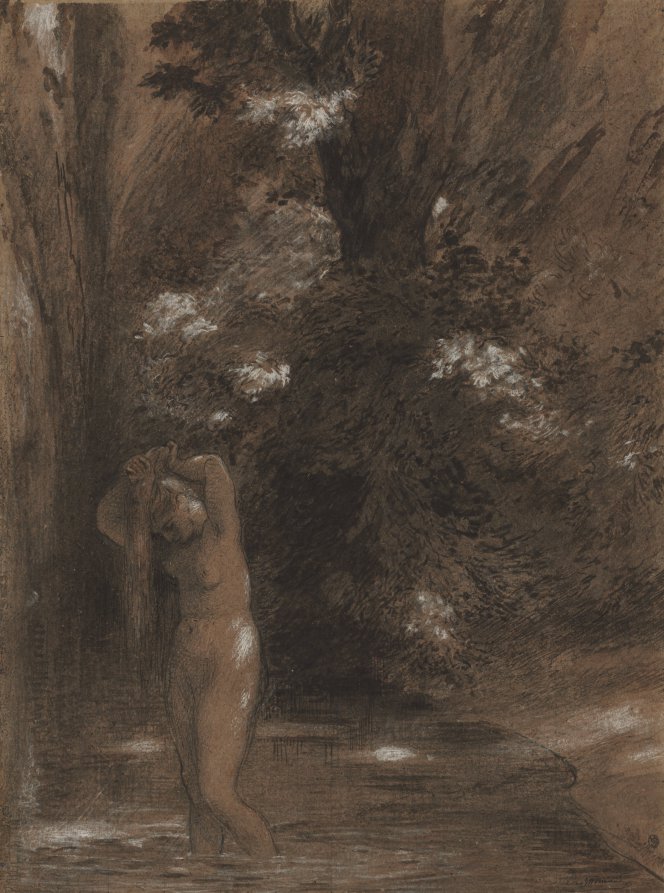
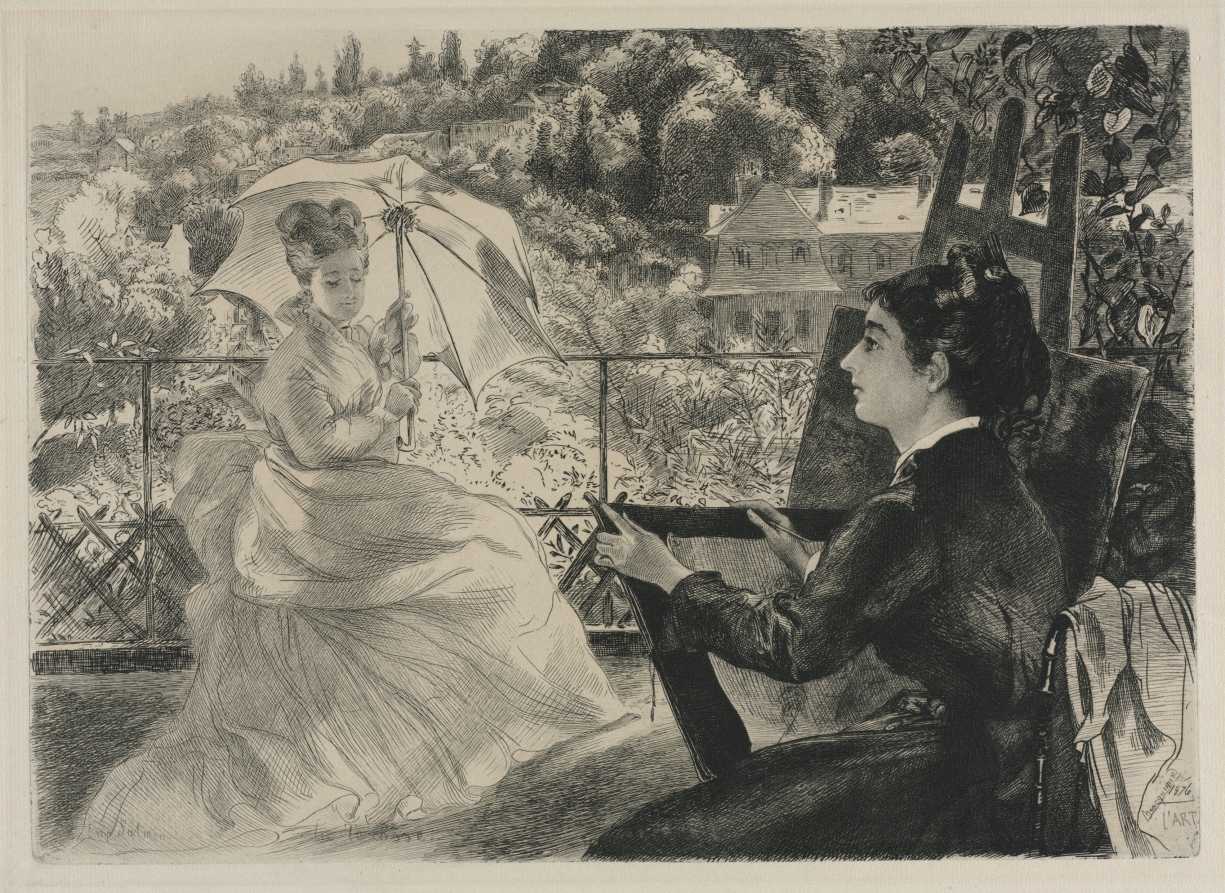
We often think of art as the work of just one person. In the case of this mirror, its harmonious appearance conceals the number of people involved in its creation. The designer Félix Bracquemond was commissioned by wealthy banker Baron Joseph Vitta to create decorative objects for his multiple homes. Bracquemond worked with other artists in making this mirror: well-known sculptor Auguste Rodin created the figure of Venus; artisan Alexandre Riquet fashioned the elaborate enameled decoration; and goldsmiths from Parisian jewelers Falize Frères completed the mirror and its blue translucent frame embedded with yellow, pink, and white flowers. Through close collaboration between patron, designer, and artists, this mirror represents the trend at the end of the 1800s for blending artistic specialties to create a single work of art. The CMA’s collection includes Bracquemond’s preparatory drawings for the mirror and Rodin’s carved plaster model for the figure of Venus. The mirror’s relief of Venus may be the only example of Rodin providing an ornament for a small decorative object.
The museum’s own description, in English. Licence: CC0
What did you think?
Save this work’s image and museum information on this device to read without a connection.
Ask about this work
Ask in your own words. The answer comes from what the museum has written about the work, and says so when that does not hold it.
Details
- Maker
- Félix Bracquemond (French, 1833–1914), Auguste Rodin (French, 1840–1917), Alexander Riquet (French), Alexis Falize (French, 1811–1898)
- Date
- c. 1900
- Medium
- gold, enamel, and ivory
- Dimensions
- Overall: 32.2 x 16.1 x 1.2 cm (12 11/16 x 6 5/16 x 1/2 in.)
- Place of origin
- France
- Held by
- Cleveland Museum of Art, Cleveland · Not on view
- Credit line
- Gift of Ralph King, by exchange
Image: Cleveland Museum of Art, CC0