Lapis Lazuli Easter Egg
Peter Carl Fabergé · c. 1885–90 · Cleveland Museum of Art
What did you think?
Guide
Adjust the guideNew to it · Medium
Nobody has listened to this guide yet. Making it takes about twenty seconds, and after that anyone can hear it straight away.
From the museum
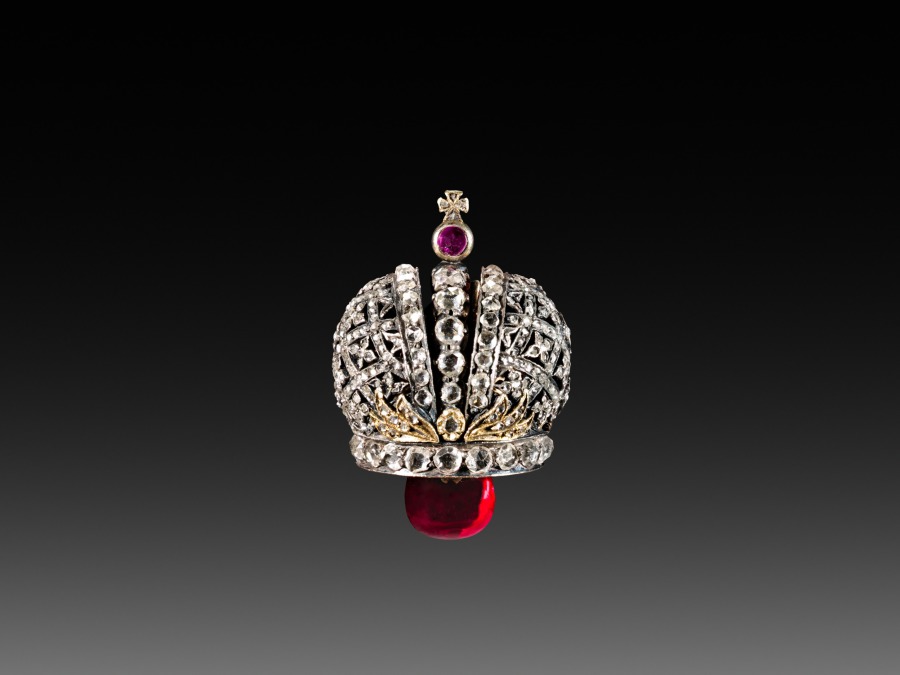
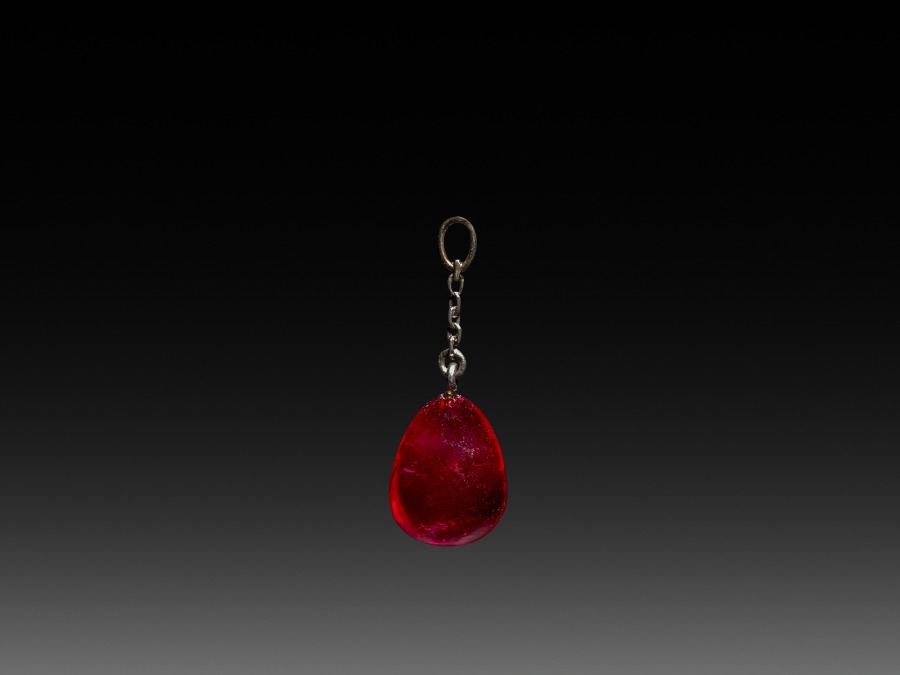
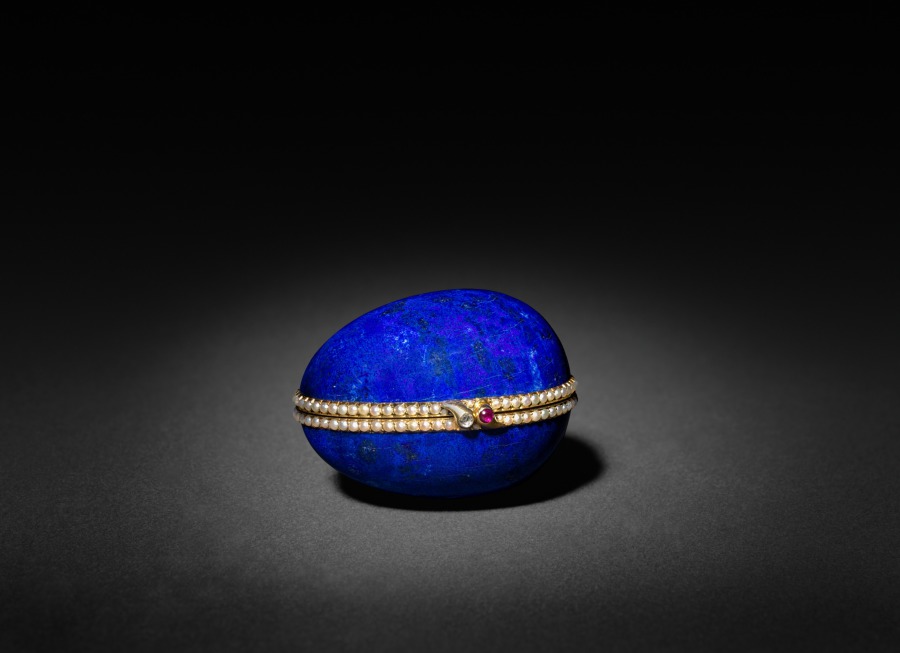
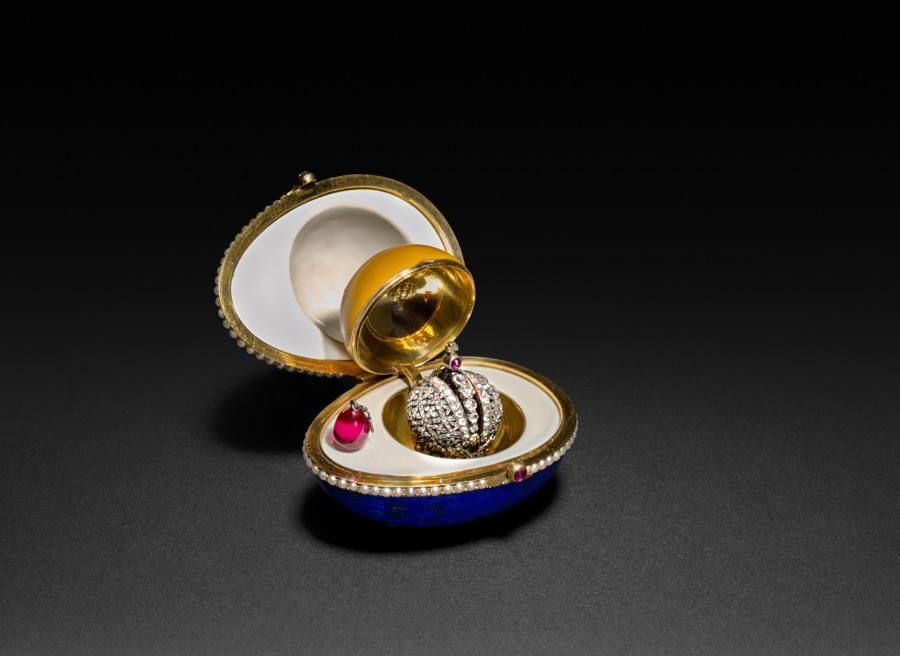
Peter Carl Fabergé became the crown jeweler to the imperial court of Russia in 1885 after he produced the very first Easter egg for Tsar Alexander III to give to his wife, Empress Marie Feodorovna. Fabergé created his celebrated Easter eggs, symbols of rebirth and renewal, as gifts for the Russian imperial family every year until he had to leave the country in 1919 after the Russian Revolution. Made of gold and lapis lazuli from the Ural Mountains, this egg opens to reveal a compartment enameled to resemble an egg yolk, which contains yet another delightful surprise of an imperial crown holding a tiny ruby or pink sapphire on a chain. This egg may have been made for one of the tsar's relatives very early in the run of imperial Easter egg production by Fabergé.
The museum’s own description, in English. Licence: CC0
Ask about this work
Ask in your own words. The answer comes from what the museum has written about the work, and says so when that does not hold it.
Details
- Maker
- Attributed to Peter Carl Fabergé (Russian, 1846–1920), attributed to House of Fabergé (Russian, 1842–1918)
- Date
- c. 1885–90
- Medium
- gold, enamel, lapis lazuli, pearls, diamonds, rubies
- Dimensions
- Overall: 5.9 x 4.5 cm (2 5/16 x 1 3/4 in.)
- Place of origin
- Russia
- Held by
- Cleveland Museum of Art, Cleveland · On view · 211 Fabergé
- Credit line
- The India Early Minshall Collection
Image: Cleveland Museum of Art, CC0