Just a moment
Just a moment
A closer look, connecting key details with the work’s background.
Looking for this guide.
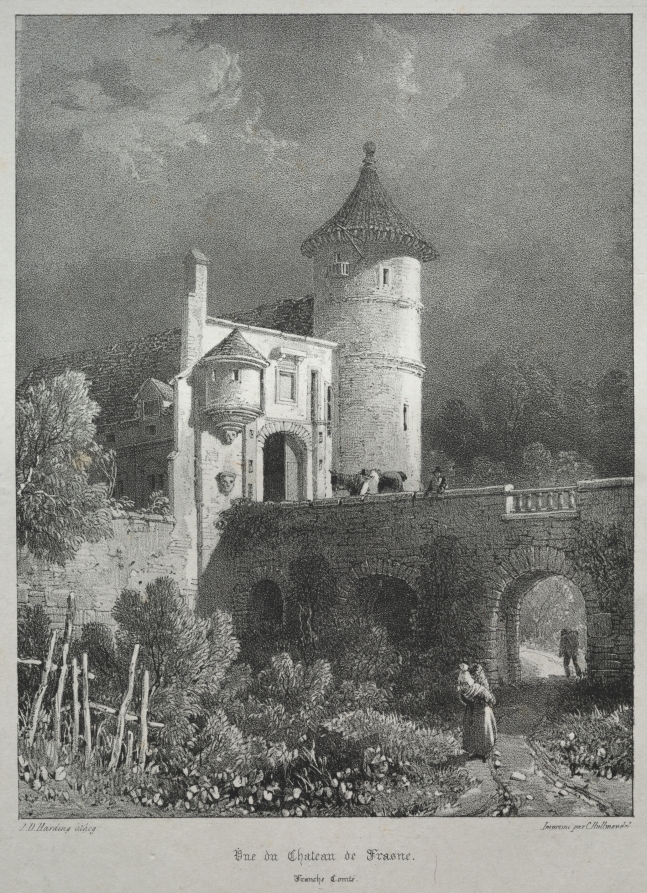
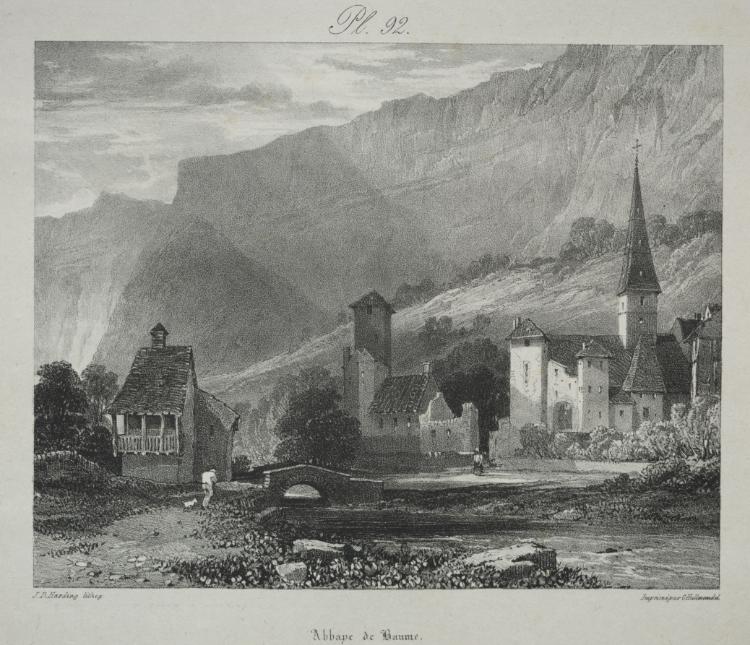
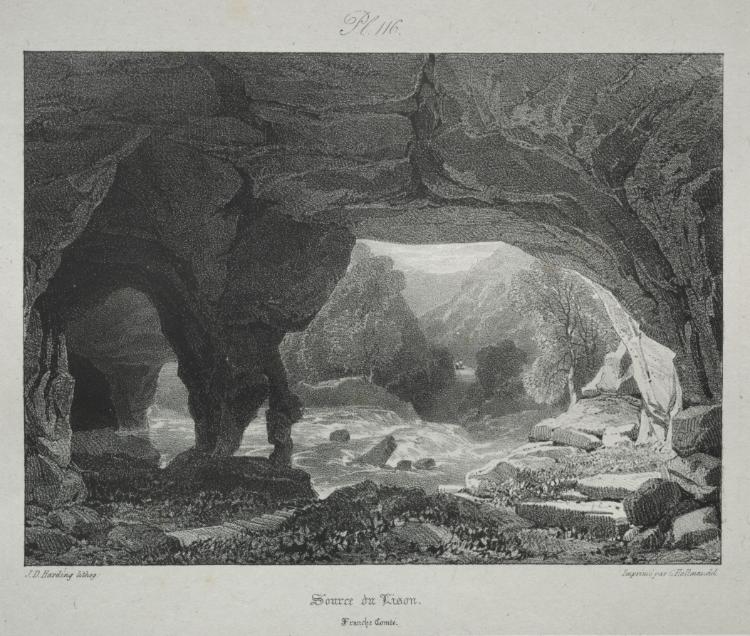
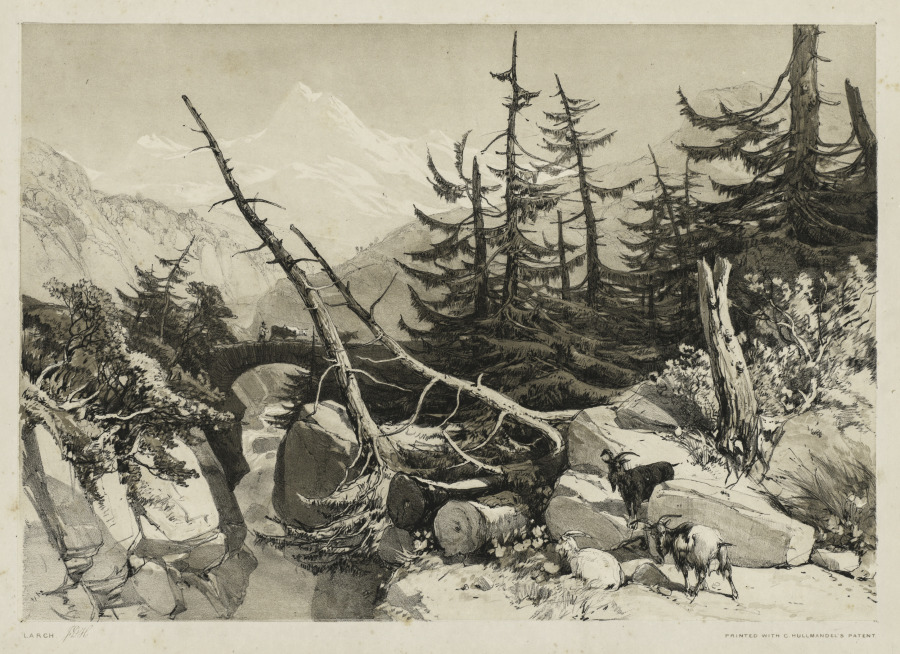
A watercolor painter and printmaker, Harding was one of the best-known artists of his day in England. A popular instructor, he taught poetry of landscape painting, admonishing his students to "produce as near a likeness to Nature, in every respect, as the instrument, or material employed, will admit of; not so much by bonâ fide imitation, as by reviving in the mind those ideas which are awakened by a contemplation of Nature . . . The renewal of those feelings constitutes the true purpose of Art." Harding began to draw on colored paper in 1830 and copied this effect in lithography by utilizing a second stone printed in gray or ocher. Unlike the drawings, however, the color in the prints is not merely a background for the design but is an active element in it. To achieve an appearance of wash and delicate effects, Harding worked with the leading lithographic printer in London at the time, Charles Hullmandel, who improved and developed many new printing techniques.
The museum’s own description, in English. Licence: CC0
Save this work’s image and museum information on this device to read without a connection.
Ask in your own words. The answer comes from what the museum has written about the work, and says so when that does not hold it.
Image: Cleveland Museum of Art, CC0
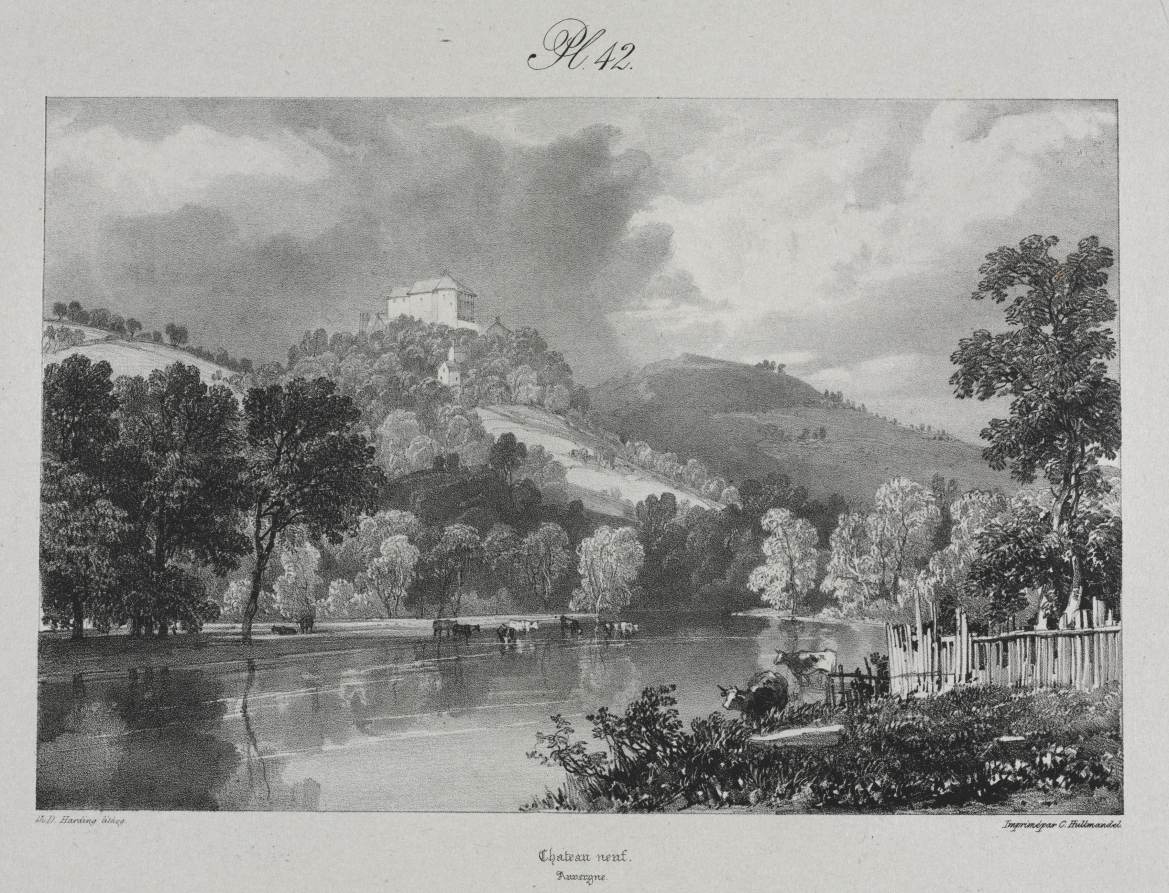 Voyages pittoresques et romantiques dans l'ancienne France. Auvergne: Château NeufJames Duffield Harding · 1825
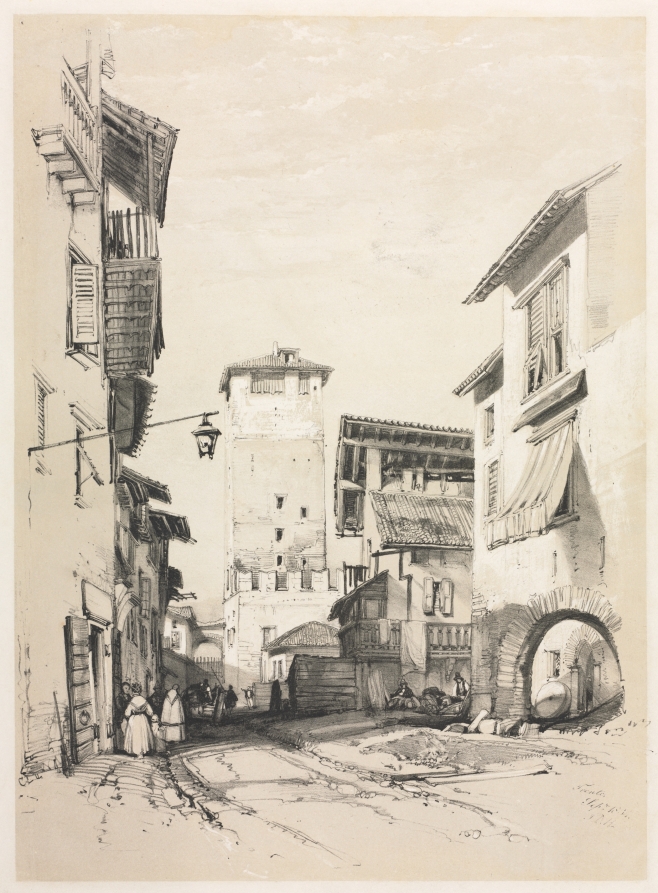 Sketches at Home and Abroad: TrentoJames Duffield Harding · 1834
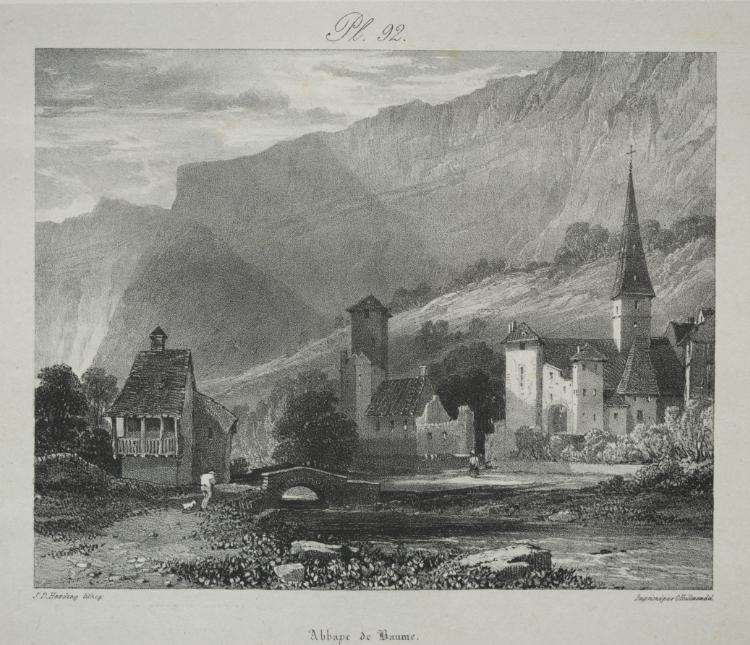 A Series of Subjects from the Works of the Late R. P. Bonington: A Study from Nature - Portrait of a GirlJames Duffield Harding · 1829
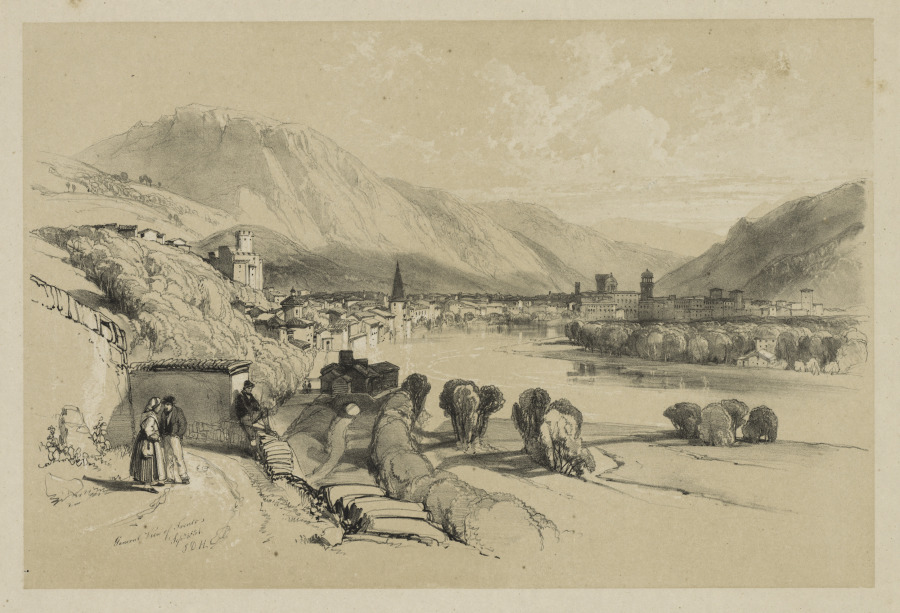 Sketches at Home and Abroad: General View of Trento