Un momento, por favor
Un momento, por favor
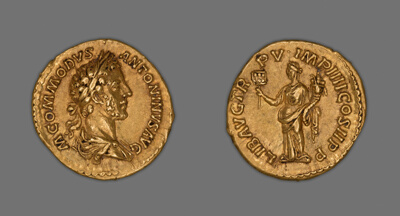
Ancient Roman · 2nd century · Instituto de Arte de Chicago
Una mirada más cercana que conecta los detalles principales con el contexto de la obra.
Buscando esta guía.
Eight Fragments from a Mosaic Pavement While on the Grand Tour, Lord Charles Kinnaird and Lord George William Russell inspected in 1823 the remains of a large mosaic that had recently been discovered in a vineyard on Monte Rosario, outside Rome’s Porta Portuensis gate. Once the floor of a luxurious home, the mosaic comprised concentric bands of multihued figural decoration as well as boldly contrasting ornamental patterns that framed a central scene, which over time had been irreparably damaged by the roots of a tree. The two men purchased and divided the finds. Among the pieces of the mosaic acquired by Lord Kinnaird were eight small panels, six of which depicted still lifes of foodstuffs and objects used in the preparation of meals, while the remain- ing two contained the busts of figures assumed to be personifications of seasons. All eight pieces were designed to fit into a meander-pattern border that encircled the now-missing central figural scene. Based on a drawing made at the time of the mosaic’s discovery, the original pavement is thought to have been approximately 30 × 27 1/2 feet. Roman houses were frequently adorned with wall paintings and floor mosaics depicting food and items associated with the preparation and serving of food. Such imagery was intended to convey messages to visitors about the owner’s wealth and hospitality as well as about the quantity and variety of goods available in the house. For example, this image of a fish on a plate represented a type of luxury fare, as fish were often transported long distances before reaching the table. The bound rooster might suggest the abundant livestock of the host’s lands, while the almond cake, which would have required an elaborate preparation by a cook, might reflect the host’s prosperity.
Descripción original del museo, en inglés. Licencia: CC BY 4.0
Guarda la imagen y la información del museo en este dispositivo para leerlas sin conexión.
Pregunta con tus propias palabras. La respuesta sale de lo que el museo ha escrito sobre la obra, y lo dice cuando ahí no está.
Imagen: Art Institute of Chicago, CC0