
Un momento, por favor
Un momento, por favor
Vincennes Porcelain Factory · c. 1748–51 · Museo de Arte de Cleveland
Una mirada más cercana que conecta los detalles principales con el contexto de la obra.
Buscando esta guía.
Known as “German flowers,” naturalistic floral compositions painted on Meissen factory porcelain in the 1740s influenced the paintings of French and English porcelain factories. At the Vincennes factory in the 1750s, botanically accurate flower paintings were regularly represented. The flowers seen here take inspiration from Meissen, while at the same time representing an early attempt at a distinctly French style of porcelain painting that emphasized bright, clear colors. Though the Vincennes porcelain factory had a royal privilege for gilding as early as 1745, it was not until 1748 that they were able to put this process into practice when they bought the secret to its production from Benedictine monk, Hippolyte Lefleure.
Descripción original del museo, en inglés. Licencia: CC0
Guarda la imagen y la información del museo en este dispositivo para leerlas sin conexión.
Pregunta con tus propias palabras. La respuesta sale de lo que el museo ha escrito sobre la obra, y lo dice cuando ahí no está.
Imagen: Cleveland Museum of Art, CC0
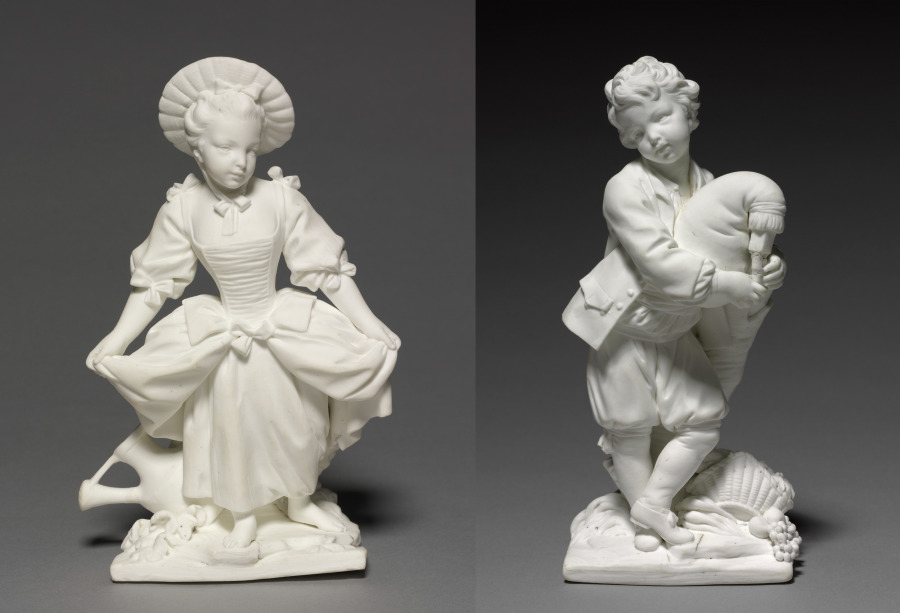 Figure Pair of the Dancer (La Danseuse) and the Bagpiper (Le Joueur de Musette)Vincennes Porcelain Factory · 1748–52
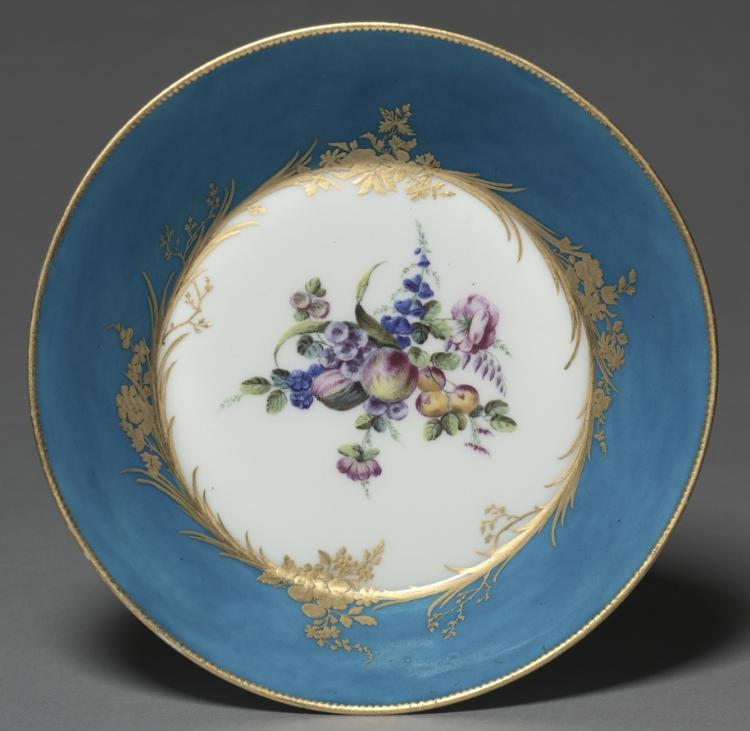 Saucer (Soucoupe)Vincennes Porcelain Factory · 1753–54
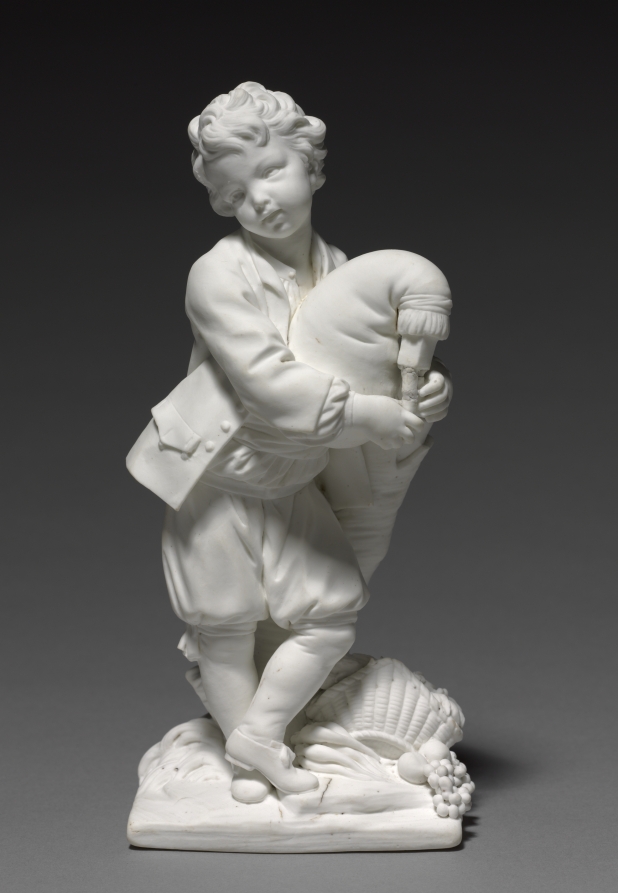 Figure of the Bagpiper (Le Joueur de musette)Vincennes Porcelain Factory · 1748–52
 Figure of the Dancer (La Danseuse)Vincennes Porcelain Factory · 1748–52


