Un momento, por favor
Un momento, por favor
Una mirada más cercana que conecta los detalles principales con el contexto de la obra.
Buscando esta guía.
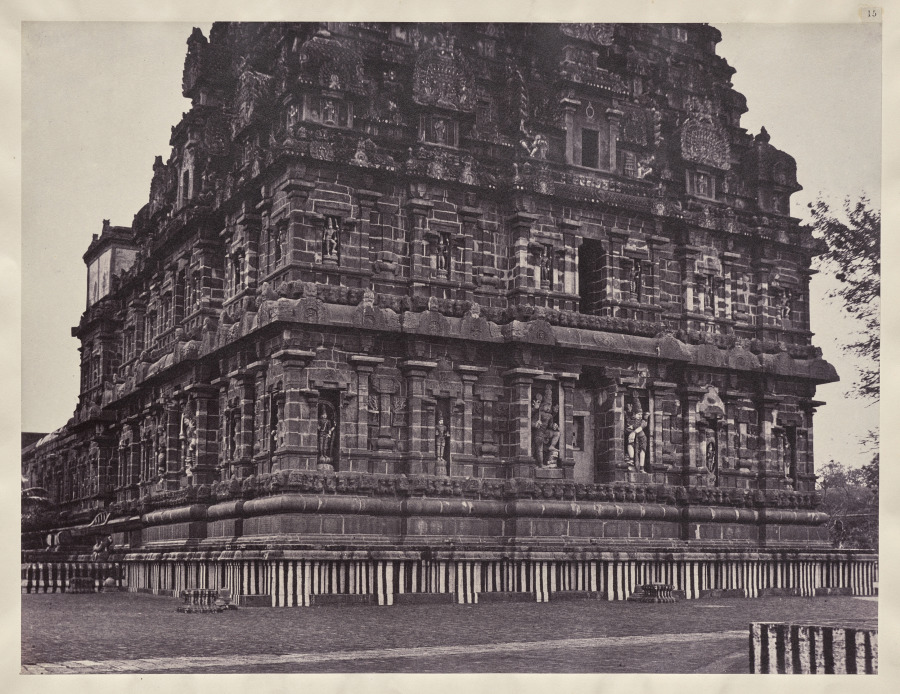
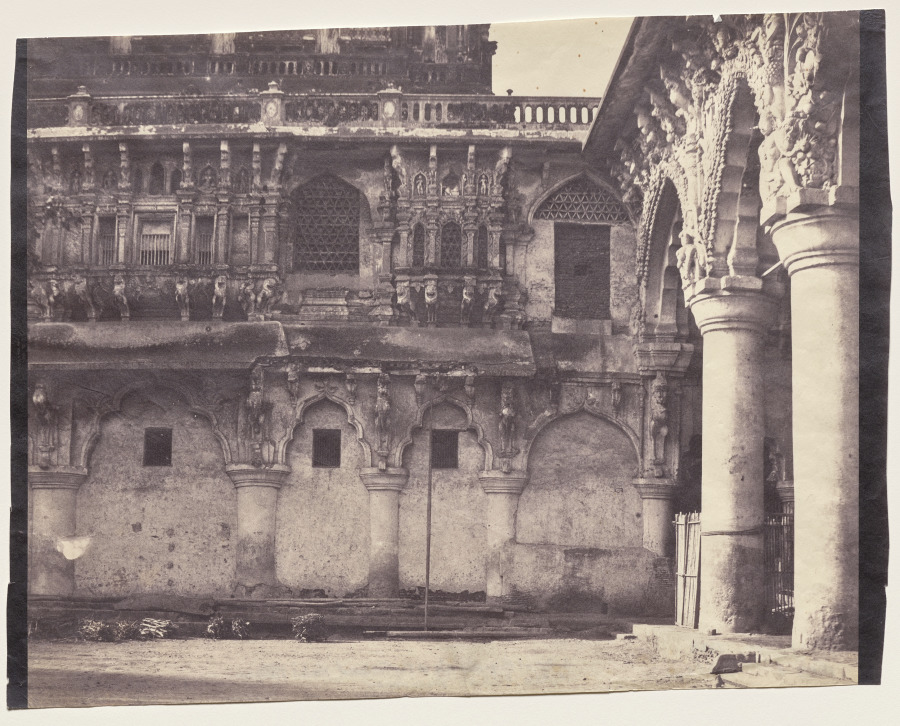
Although the temple would have been crowded with worshippers, Tripe shows us empty spaces. His paper negatives and primitive lens required long exposures, even in the bright sunlight of India—too long to record an individual in motion. Tripe, photographing for the colonial government, may also have used his official status to have the temple cleared of visitors so he could obtain unobstructed views of the architecture. The architecture was probably painted with bright colors, but Linnaeus Tripe’s photographic technology captured only a monochromatic range of tones.
Descripción original del museo, en inglés. Licencia: CC0
Guarda la imagen y la información del museo en este dispositivo para leerlas sin conexión.
Pregunta con tus propias palabras. La respuesta sale de lo que el museo ha escrito sobre la obra, y lo dice cuando ahí no está.
Imagen: Cleveland Museum of Art, CC0
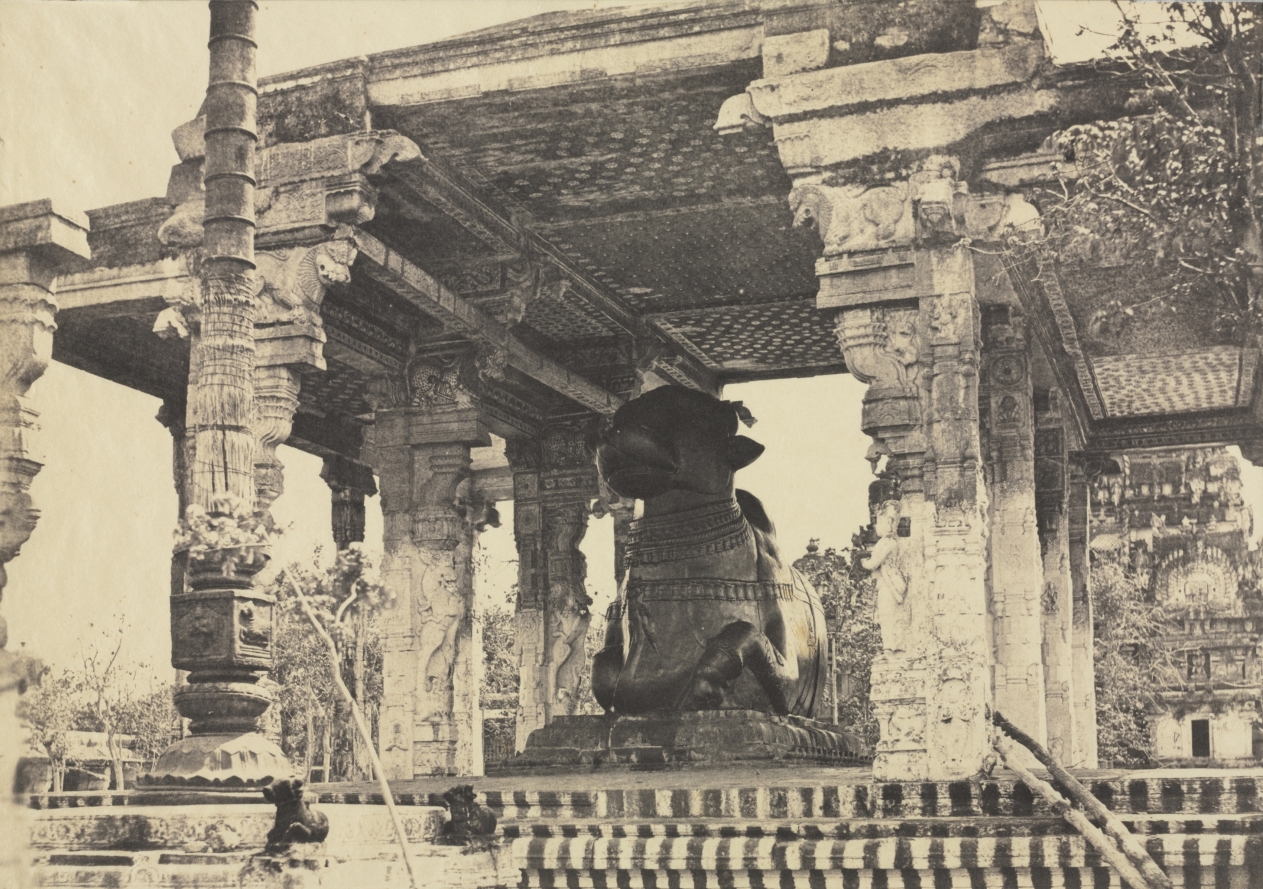 Great Pagoda, Great Bull, Front View, Tanjore, India (Rajarajeshvara Temple), plate 12 from Photographic Views of Tanjore and Trivady (Madras: Madras Presidency)Captain Linnaeus Tripe · 1857
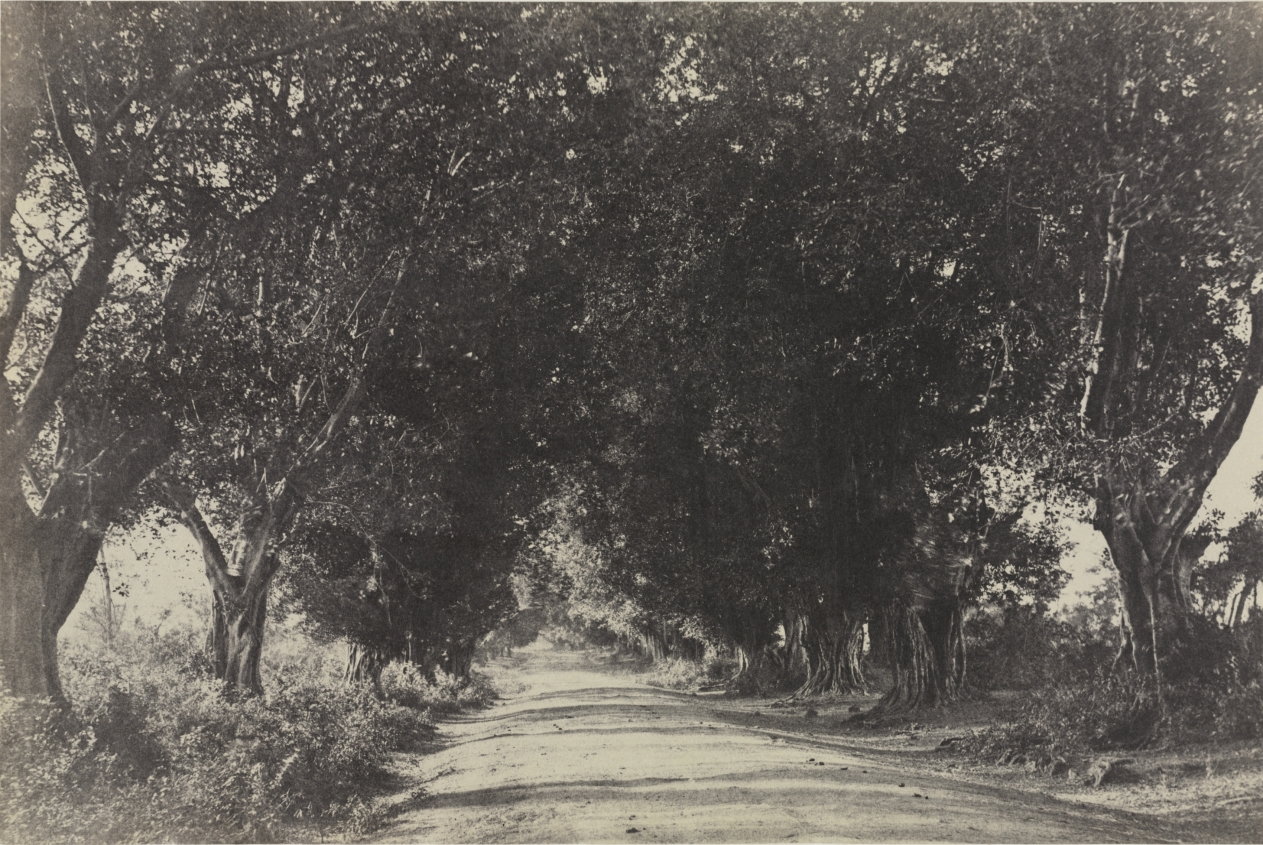 Avenue of the Banian Trees, Seringham, IndiaCaptain Linnaeus Tripe · 1858
 Entrance to the Minakshi Sundareshvara Temple, MaduraiCaptain Linnaeus Tripe · 1858