Un momento, por favor
Un momento, por favor
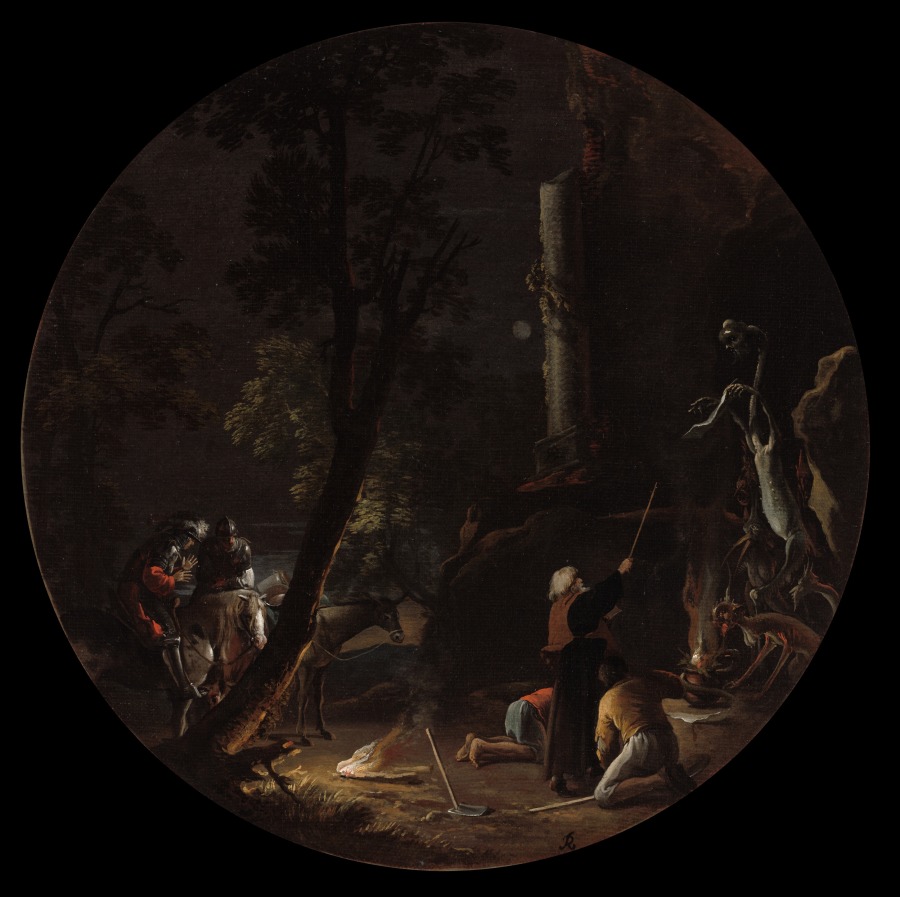
Salvator Rosa · c. 1645–49 · Museo de Arte de Cleveland
Buscando esta guía.
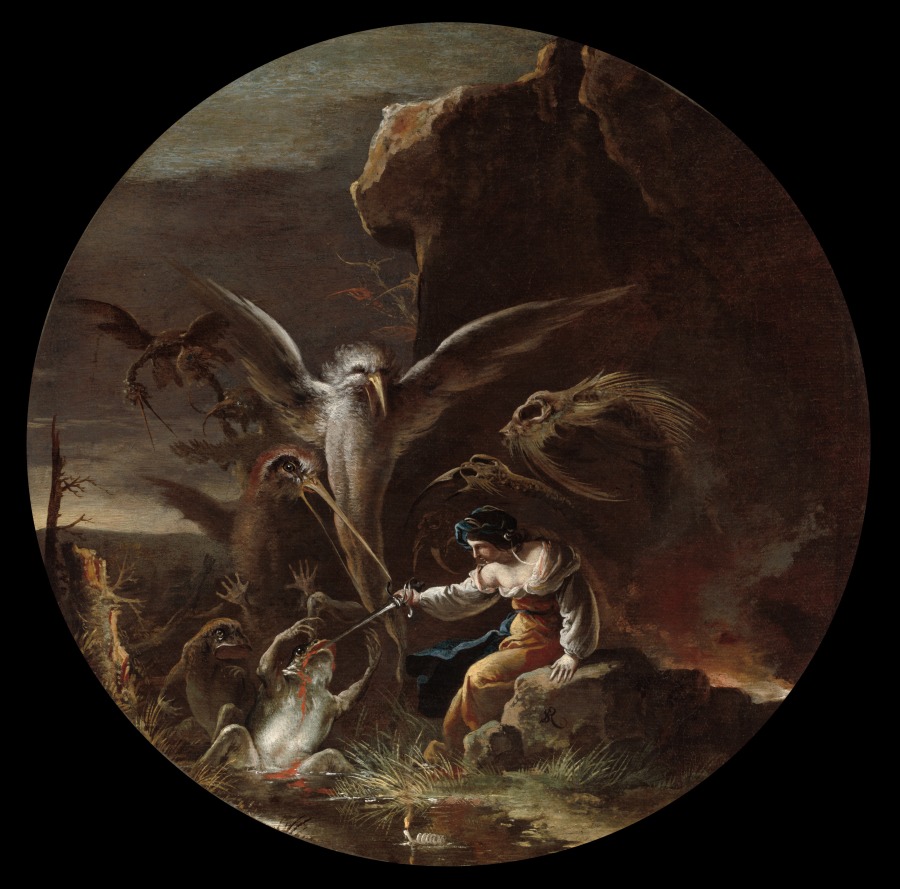
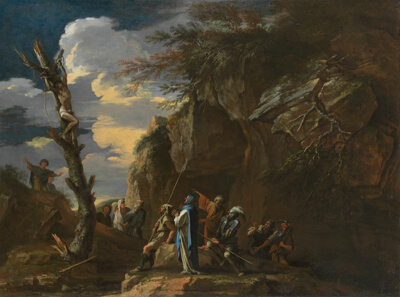
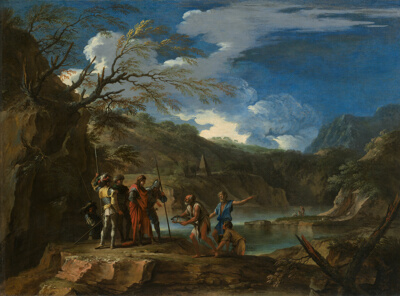
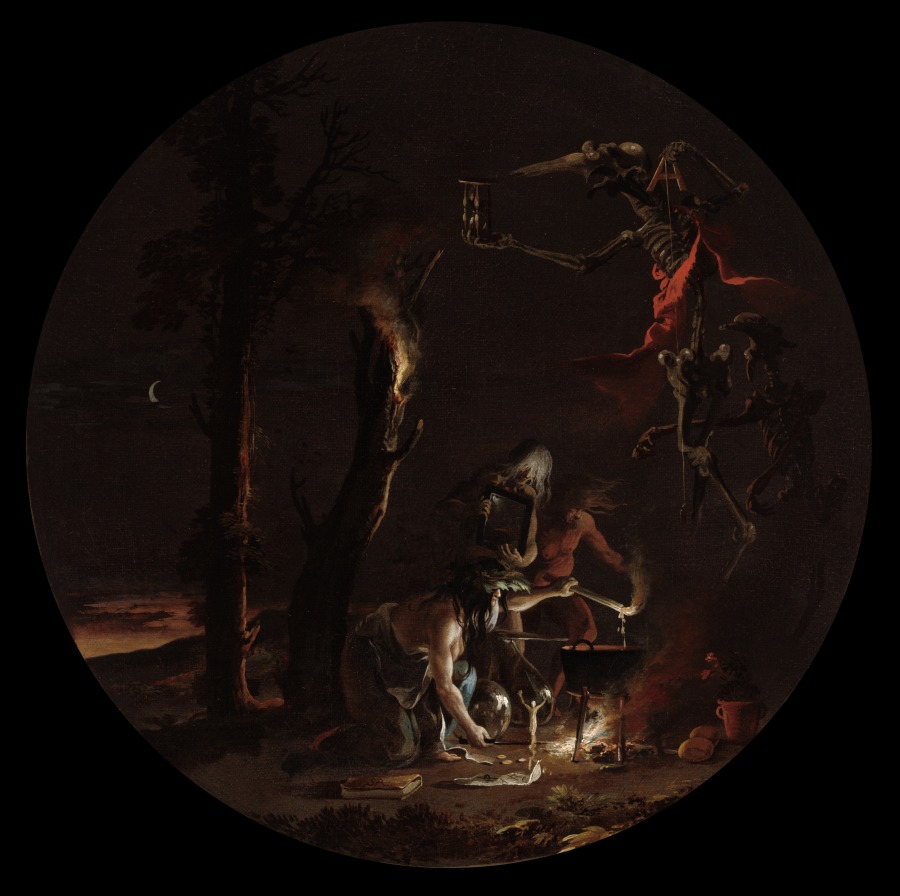
A huge upturn in interest in witchcraft emerged during the 1500s in Europe, but by the middle of the next century—at least among the cultured elite of Florence—a backlash arose against the many accusations of sorcery. Artists and writers explored the topic more out of curiosity and amusement, chief among them the poet, painter, and satirist Salvator Rosa, who examined witchcraft with gusto in numerous poems and works of art, including these four paintings. They show a range witch types, from the beautiful enchantress to the old crone to the male sorcerer, and represent activities commonly associated with black magic: levitation, love potions, devil worship, the invocation of demons, and transformation. A common subject in Italian art of the 1600s, transformation was usually seen in interpretations of myths based on Ovid's ancient Latin text, the Metamophoses. Rosa found a novel way to exploit this idea, drawing attention to his own ability to transform paint and canvas into a disturbing, nightmarish world. The artist chose the painting's shape to reference the foundational role of the circle in practicing magic.
Descripción original del museo, en inglés. Licencia: CC0
Guarda la imagen y la información del museo en este dispositivo para leerlas sin conexión.
Pregunta con tus propias palabras. La respuesta sale de lo que el museo ha escrito sobre la obra, y lo dice cuando ahí no está.
Imagen: Cleveland Museum of Art, CC0