
Un momento, por favor
Un momento, por favor
Byzantine · 829-831 · Instituto de Arte de Chicago
Una mirada más cercana que conecta los detalles principales con el contexto de la obra.
Buscando esta guía.
As powerful vehicles for propaganda, Byzantine coins also emphasized the close relationship between earthly monarchs and the heavenly realm, as does this solidus of Theophilus (r. 829-842). A bust-length portrait of the emperor appears on the obverse; he wears a crown and is garbed in the imperial loros, a heavily jeweled stole for festive occasions. In his hands are a globe and a scepter, both of which are surmounted by crosses. The patriarchal cross above three steps that appears on the reverse is meant to represent a large cross that was erected in the fourth century on the site of Christ's crucifixion in Jerusalem. This motif of a cross and steps was first used on the coins of Tiberius II (r. 578-82), and its increasing popularity reflected the progressive Christianizing of imperial iconography, in which symbols such as the cross replaced earlier pagan elements like winged Victories. The imagery of Byzantine coins, as well as their use—or not—of religious imagery, reflects the different attitudes toward representation of divine figures as a result of the Iconoclastic (from the Greek eikon, or image, and klao, to break) Controversy, a fierce debate among Byzantine theologians over the appropriate role of images in religious worship that raged in Byzantium for over 100 years from about 730 to 843. Theophilus, the last imperial proponent of Iconoclasm, follows the examples of Heraclius (r. 610–41) and Leontius (r. 695–98) before him by linking his portrait on the front of this coin with a potent visual symbol of Christ, the monumental cross on four steps that had been erected at Jerusalem in the fourth century.
Descripción original del museo, en inglés. Licencia: CC BY 4.0
Guarda la imagen y la información del museo en este dispositivo para leerlas sin conexión.
Pregunta con tus propias palabras. La respuesta sale de lo que el museo ha escrito sobre la obra, y lo dice cuando ahí no está.
Imagen: Art Institute of Chicago, CC0
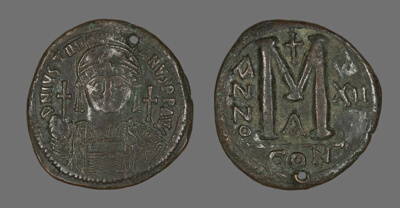 Follis (Coin) Portraying the Emperor Justinian IByzantine · 538-539
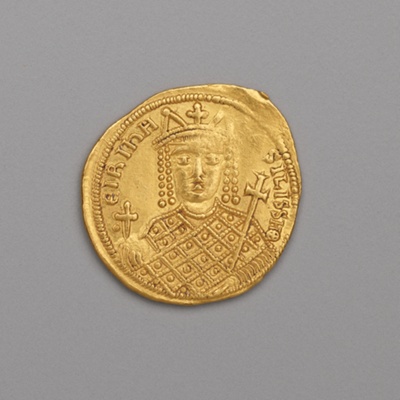 Solidus (Coin) of Empress IreneByzantine · 797-802
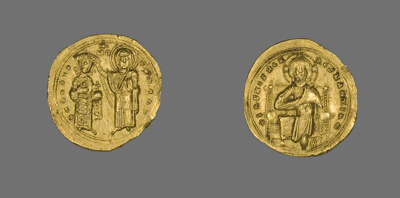 Histamenon (Coin) of Romanus III Argyrus with Christ EnthronedByzantine · 1028-34
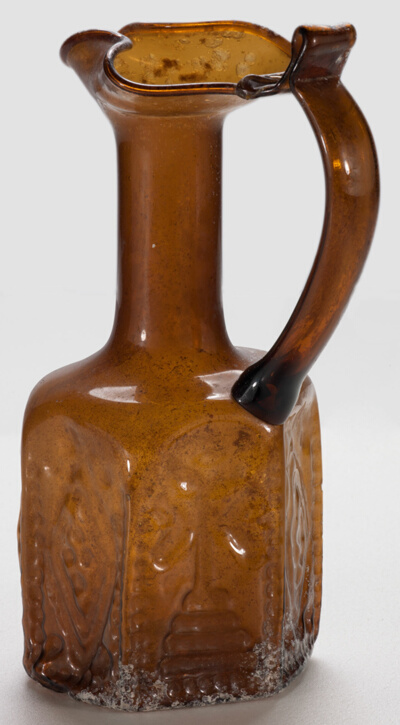 Pilgrimage Jug with Christian SymbolsByzantine · 578–636
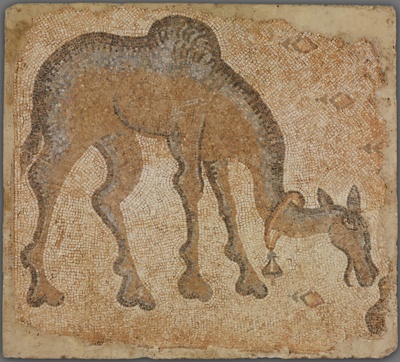 Mosaic Fragment with Grazing CamelByzantine · 5th century
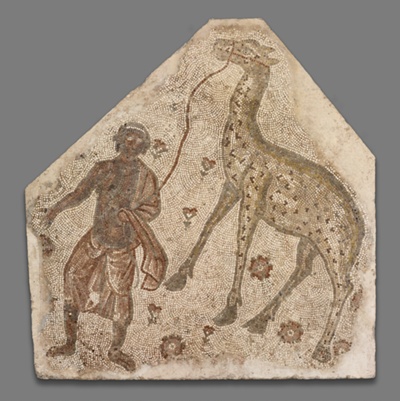 Mosaic Fragment with a Man Leading a GiraffeByzantine · 5th century
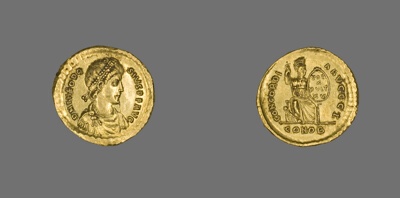 Solidus (Coin) of Emperor Theodosius IByzantine · 383 (25 August)-388 (28 August)
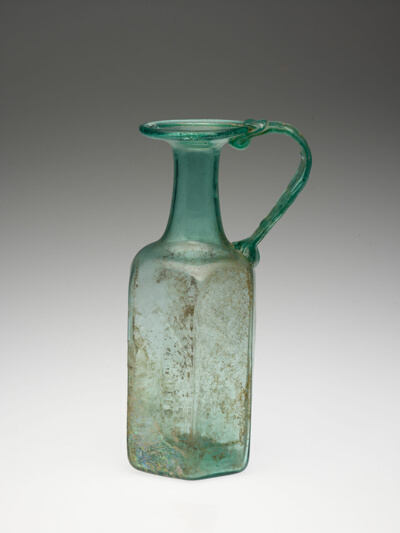 Ritual FlaskByzantine · 6th–7th century