잠시만 기다려 주세요
잠시만 기다려 주세요
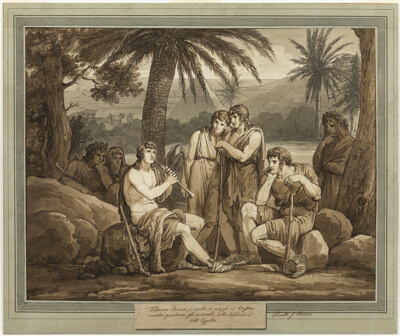
Bartolomeo Pinelli · 1808 · 시카고 미술관
작품의 주요 특징과 배경을 연결해 살펴봐요.
가이드를 찾고 있습니다.
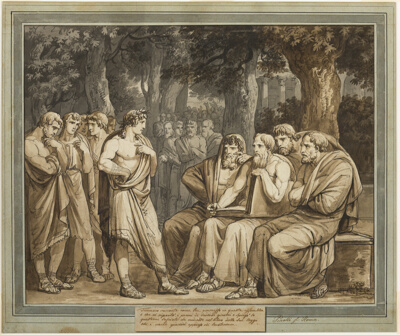
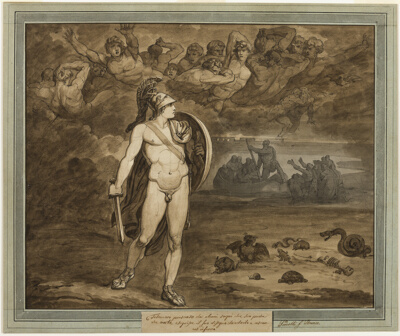
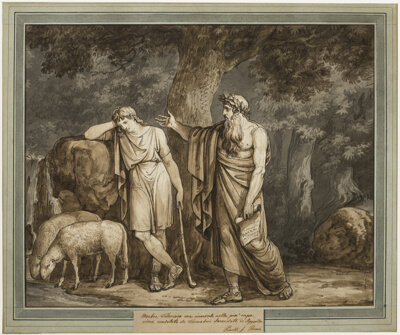
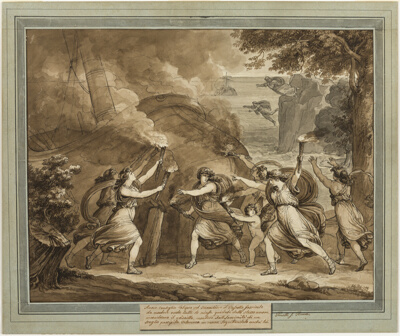
These twelve drawings depict scenes from the French novel The Adventures of Telemachus (Les aventures de Télémaque) by François Fénelon. First published in 1699, it was one of the most popular books of the 1700s and 1800s. Telemachus is the son of Ulysses from Homer’s Odyssey, the first four books of which describe the hero’s search for his father. Fénelon invented further adventures for Telemachus, in which he undergoes many trials while accompanied by his tutor, Mentor, who is actually the goddess Minerva (the embodiment of wisdom) in human disguise. A scathing critique of autocratic government and a diatribe against war, the book denounces luxury and decadence and calls for the simplicity and equality Fénelon believed ancient Greece best exemplified. Pinelli illustrated scenes from books 1–8 and one scene from book 18, and probably planned to illustrate more from the 24 books of the text. Throughout, he celebrates the heroic nude, displaying a deep knowledge of ancient Roman sculpture. His style, influenced by Jacques-Louis David and John Flaxman, is characterized by bold, almost cartoonish contours, monochromatic washes, and frieze-like arrangements of figures. To trick Telemachus into remaining with Calypso and giving up his search for his father, Venus sends her son, the god of love, whose flattery and cajoling have the desired effect upon Telemachus. Meanwhile, Mentor, seated at right accompanied by his attribute the owl (for he is Minerva, goddess of wisdom, in human form), looks on with disdain.
미술관이 쓴 설명 원문입니다(영어). 라이선스: CC BY 4.0
작품 이미지와 미술관 정보를 이 기기에 저장해 인터넷 연결 없이 읽어 보세요.
궁금한 것을 내 말로 물어보세요. 미술관이 이 작품에 대해 쓴 글에서 답을 찾고, 거기에 없으면 없다고 말합니다.
이미지: Art Institute of Chicago, CC0
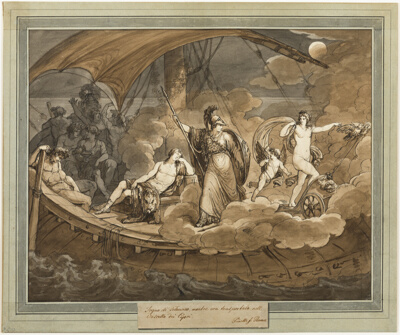 The Dream of Telemachus, from The Adventures of Telemachus, Book 4Bartolomeo Pinelli · 1808
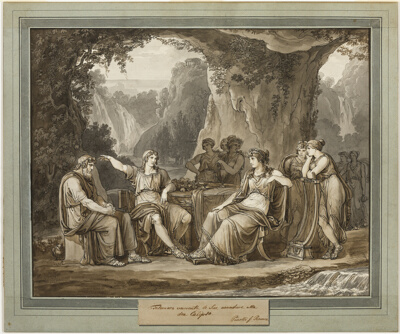 Telemachus Relates His Adventures to the Goddess Calypso, from The Adventures of Telemachus, Book 1Bartolomeo Pinelli · 1808
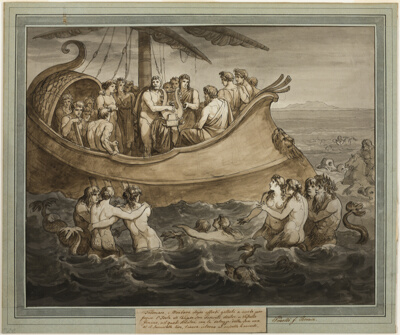 Telemachus and Mentor in a Galley after Fleeing the Island of Calypso, from The Adventures of Telemachus, Book 8Bartolomeo Pinelli · 1808