잠시만 기다려 주세요
잠시만 기다려 주세요
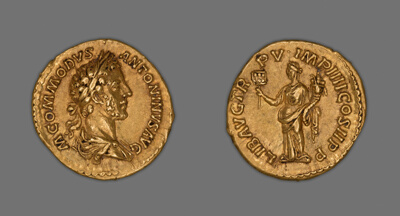
Ancient Roman · 56 BCE, issued by L. Marcius Philippus · 시카고 미술관
작품의 주요 특징과 배경을 연결해 살펴봐요.
가이드를 찾고 있습니다.
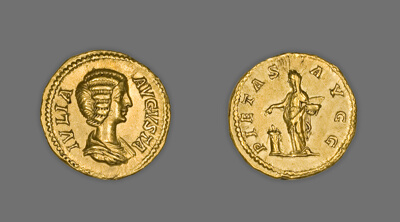
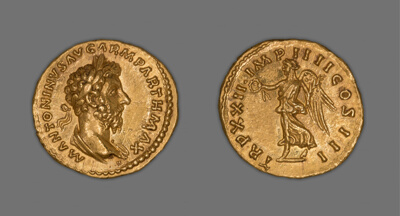
Portraits of important people appear on local currency all around the world. The same was true in ancient Rome, which began producing its first coinage in the late 4th century BC. Early coins depicted the heads of gods and goddesses on the front side, often in profile, while the back depicted animals, natural resources, symbols, and references to historical events. It was not until 44 BC that the portrait of a living person—Julius Caesar—appeared on coins. Thereafter, profile portraits of rulers or other members of the imperial family became the standard subject on coins throughout the Roman Empire. In the mid-50s BC, it became common to portray ancestors that reinforced an important family lineage. The politician Lucius Marcius Philippus, who commissioned this coin, traced his lineage to the legendary King Ancus Marcius, who was believed to have lived in the late seventh century BCE. The front (obverse) of this coin depicts the head of King Ancus Marcius diademed and facing right; behind him is a lituus (curved augural staff). The back (reverse) of the coin depicts an equestrian statue facing right on an aqueduct between arches of which are the letters: AQVA MAR. Under horse, a branch tipped.
미술관이 쓴 설명 원문입니다(영어). 라이선스: CC BY 4.0
작품 이미지와 미술관 정보를 이 기기에 저장해 인터넷 연결 없이 읽어 보세요.
궁금한 것을 내 말로 물어보세요. 미술관이 이 작품에 대해 쓴 글에서 답을 찾고, 거기에 없으면 없다고 말합니다.
이미지: Art Institute of Chicago, CC0