잠시만 기다려 주세요
잠시만 기다려 주세요
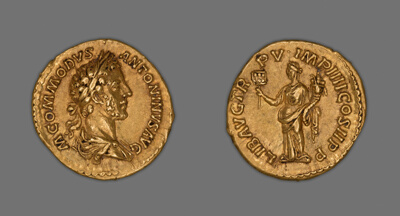
Ancient Roman · 28 BCE, issued by Octavian · 시카고 미술관
작품의 주요 특징과 배경을 연결해 살펴봐요.
가이드를 찾고 있습니다.
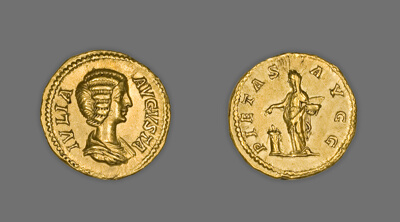
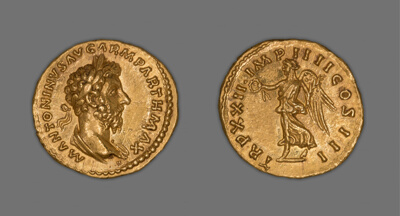
Portraits of important people appear on local currency all around the world. The same was true in ancient Rome, which began producing its first coinage in the late 4th century BC. Early coins depicted the heads of gods and goddesses on the front side, often in profile, while the back depicted animals, natural resources, symbols, and references to historical events. It was not until 44 BC that the portrait of a living person—Julius Caesar—appeared on coins. While the front side depicted the sovereign’s portrait, the back was often used to communicate the ruler’s accomplishments or aspirations. On this coin, Octavian celebrates his triumph over the forces of Mark Antony and Cleopatra in 31 BC; a defeat so thorough that both committed suicide rather than be humiliated as prisoners of Rome. With the inscription on this coin, Octavian announced boldly “Egypt [is] captured.”
미술관이 쓴 설명 원문입니다(영어). 라이선스: CC BY 4.0
작품 이미지와 미술관 정보를 이 기기에 저장해 인터넷 연결 없이 읽어 보세요.
궁금한 것을 내 말로 물어보세요. 미술관이 이 작품에 대해 쓴 글에서 답을 찾고, 거기에 없으면 없다고 말합니다.
이미지: Art Institute of Chicago, CC0