잠시만 기다려 주세요
잠시만 기다려 주세요
Héliodore Pisan · 1863 · 클리블랜드 미술관
작품의 주요 특징과 배경을 연결해 살펴봐요.
가이드를 찾고 있습니다.
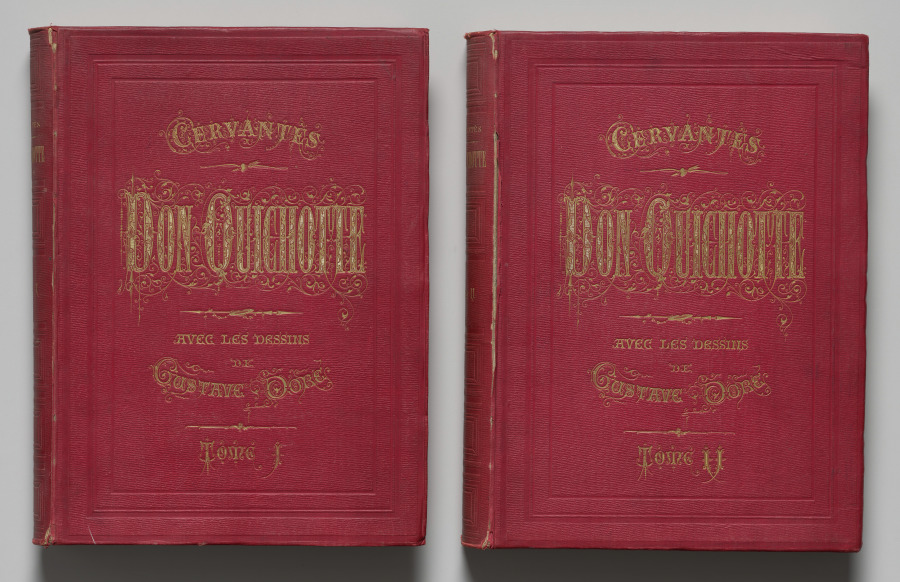
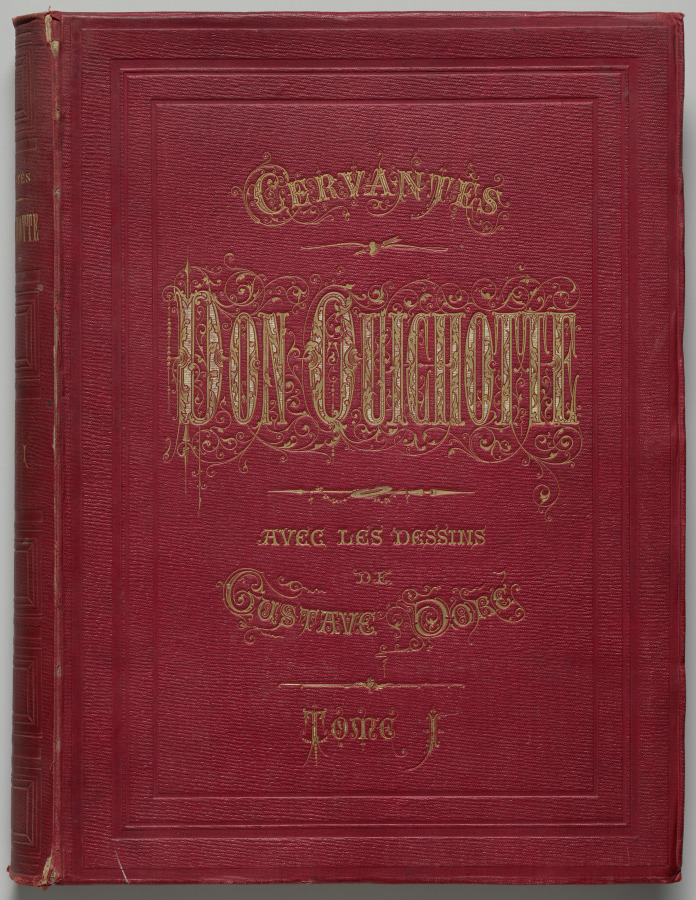
Doré wanted to illustrate the masterpieces of world literature, including Miguel de Cervantes's novel Don Quixote de la Mancha (1615). A parody of chivalric narratives popular during the 16th century, the story describes the adventures of a wandering knight, Don Quixote, and his assistant, Sancho Panza. This scene depicts Don Quixote in the enchanted cave of the Montesinos dreaming that he is shown the body of Durante, one of the greatest itinerant knights. Durante writhes on his grave, begging to be released from the burden of life. His beloved, Belerma, depicted as a ghostly shadow, hovers above the tortured Durante, holding his heart. Heliodore Joseph Pisan, a superb professional wood engraver, skillfully translated Doré's drawings into prints, retaining the dramatic tonal quality of the original. Instead of drawing on the whitened woodblock using only line, Doré used pen and ink and wash to create forms, and gouache to describe highlights. To interpret Doré's full range of grays into the black-and-white relief surface of the wood engraving, halftone effects were devised with special tools that produced very fine white lines.
미술관이 쓴 설명 원문입니다(영어). 라이선스: CC0
작품 이미지와 미술관 정보를 이 기기에 저장해 인터넷 연결 없이 읽어 보세요.
궁금한 것을 내 말로 물어보세요. 미술관이 이 작품에 대해 쓴 글에서 답을 찾고, 거기에 없으면 없다고 말합니다.
이미지: Cleveland Museum of Art, CC0