잠시만 기다려 주세요
잠시만 기다려 주세요
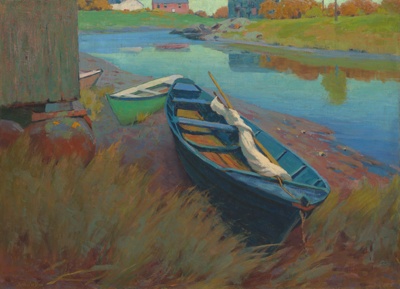
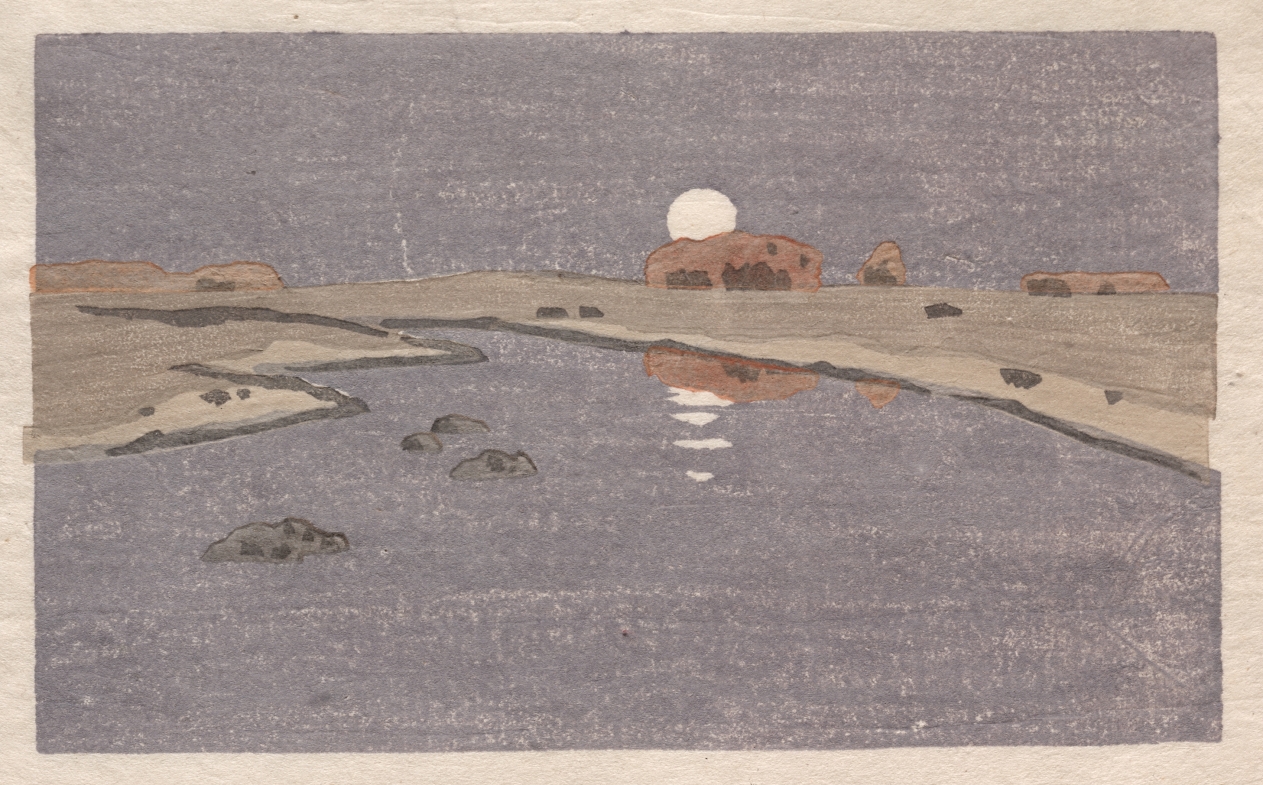
Arthur Wesley Dow · c. 1908 · 클리블랜드 미술관
가이드를 찾고 있습니다.
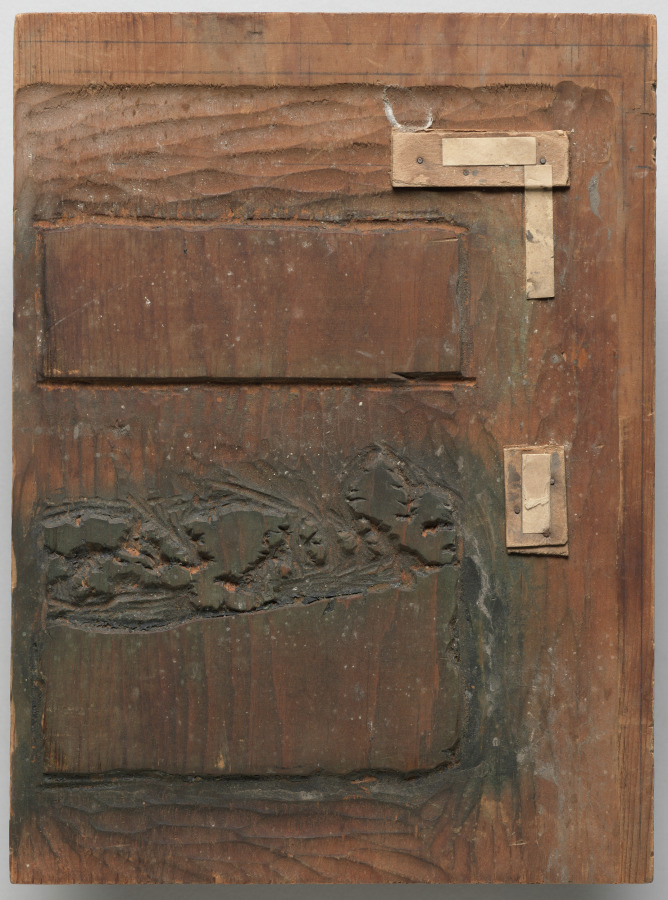
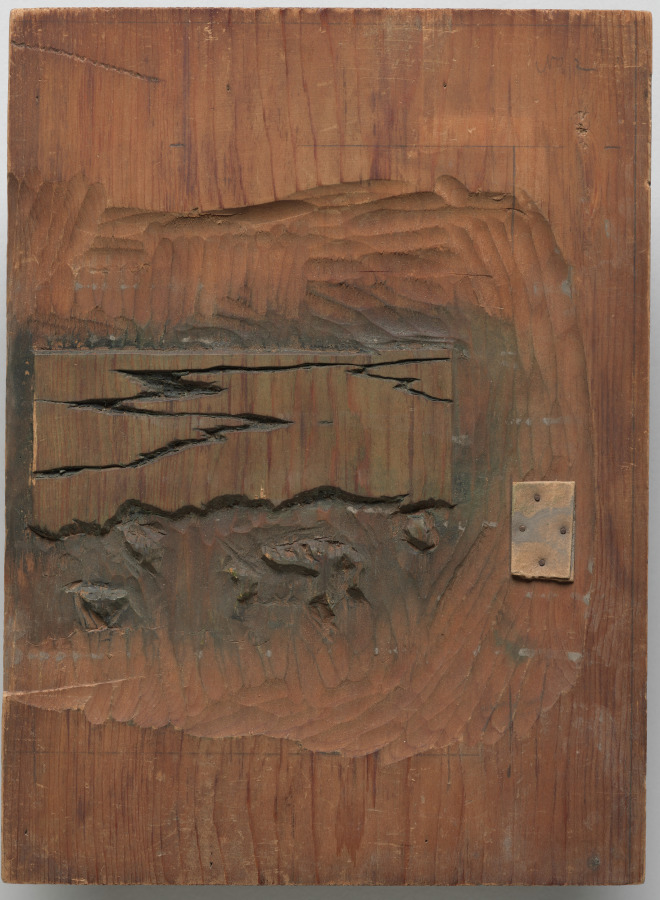
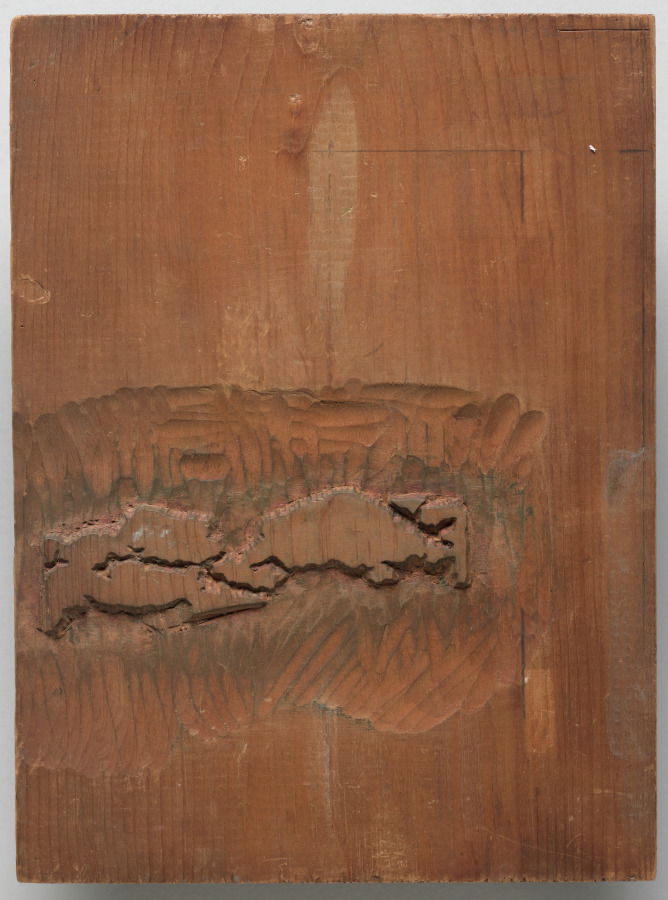
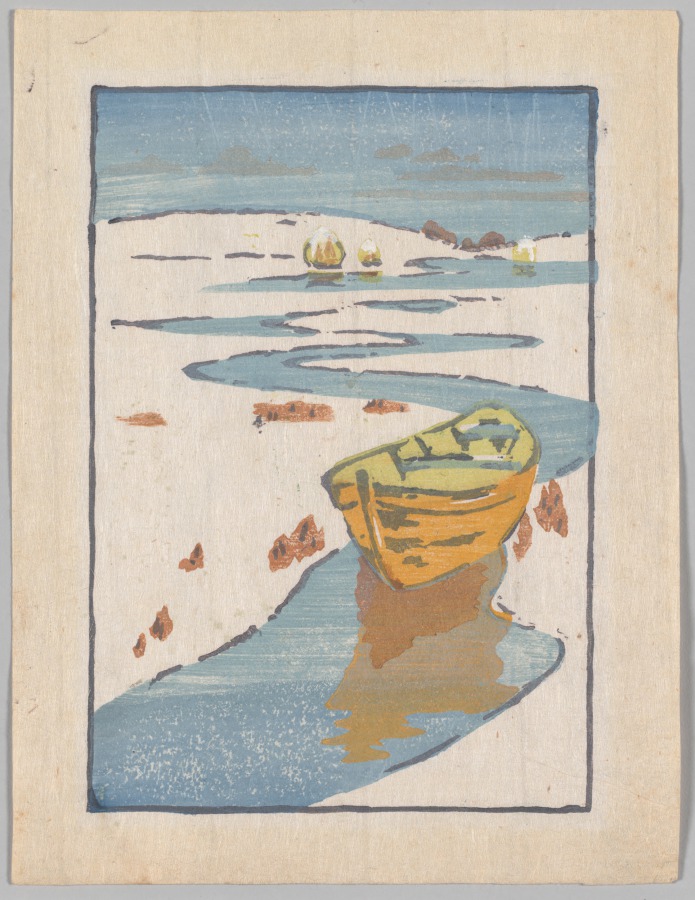
In his dual roles as artist and teacher, Dow was instrumental in reviving the color woodcut in America at the turn of the 20th century. Impressed by the flat, simplified compositions of Japanese color woodcuts, or ukiyo-e prints, Dow abandoned Western naturalism, with its linear modeling and one-point perspective, in favor of the basic elements of Japanese design: line, form, color, and notan—the harmonious arrangement of dark and light. Although in Japan the artist only executed the drawing—the carving and printing were carried out by craftsmen—Dow did everything himself. Like the Japanese, however, he printed by hand on mulberry paper. The picturesque Massachusetts fishing village of Ipswich and the surrounding area were Dow's subjects. The town is separated from the sea by sprawling salt marshes that are divided by canals and rivers. Dow expressed the changing effects of atmosphere and light by experimenting with color, which resulted in unique impressions.
미술관이 쓴 설명 원문입니다(영어). 라이선스: CC0
작품 이미지와 미술관 정보를 이 기기에 저장해 인터넷 연결 없이 읽어 보세요.
궁금한 것을 내 말로 물어보세요. 미술관이 이 작품에 대해 쓴 글에서 답을 찾고, 거기에 없으면 없다고 말합니다.
이미지: Cleveland Museum of Art, CC0