
잠시만 기다려 주세요
잠시만 기다려 주세요
Louis Haghe · 1848 · 클리블랜드 미술관
작품의 주요 특징과 배경을 연결해 살펴봐요.
가이드를 찾고 있습니다.
By the mid 19th century, the complexities of printing in numerous colors had been mastered, culminating in one of the high points of European printmaking. The plates drawn by Haghe, which copy the watercolors that David Roberts made in Egypt, are exquisite examples of color lithography. Egypt was a distant, mysterious country for Europeans and Haghe, a Scottish topographical and architectural artist who spent the year of 1838 traveling across this ancient land. The resulting prints—the first comprehensive series of views of the monuments, landscapes, and people of the Near East—were especially appreciated for their brilliant color and large scale.
미술관이 쓴 설명 원문입니다(영어). 라이선스: CC0
작품 이미지와 미술관 정보를 이 기기에 저장해 인터넷 연결 없이 읽어 보세요.
궁금한 것을 내 말로 물어보세요. 미술관이 이 작품에 대해 쓴 글에서 답을 찾고, 거기에 없으면 없다고 말합니다.
이미지: Cleveland Museum of Art, CC0
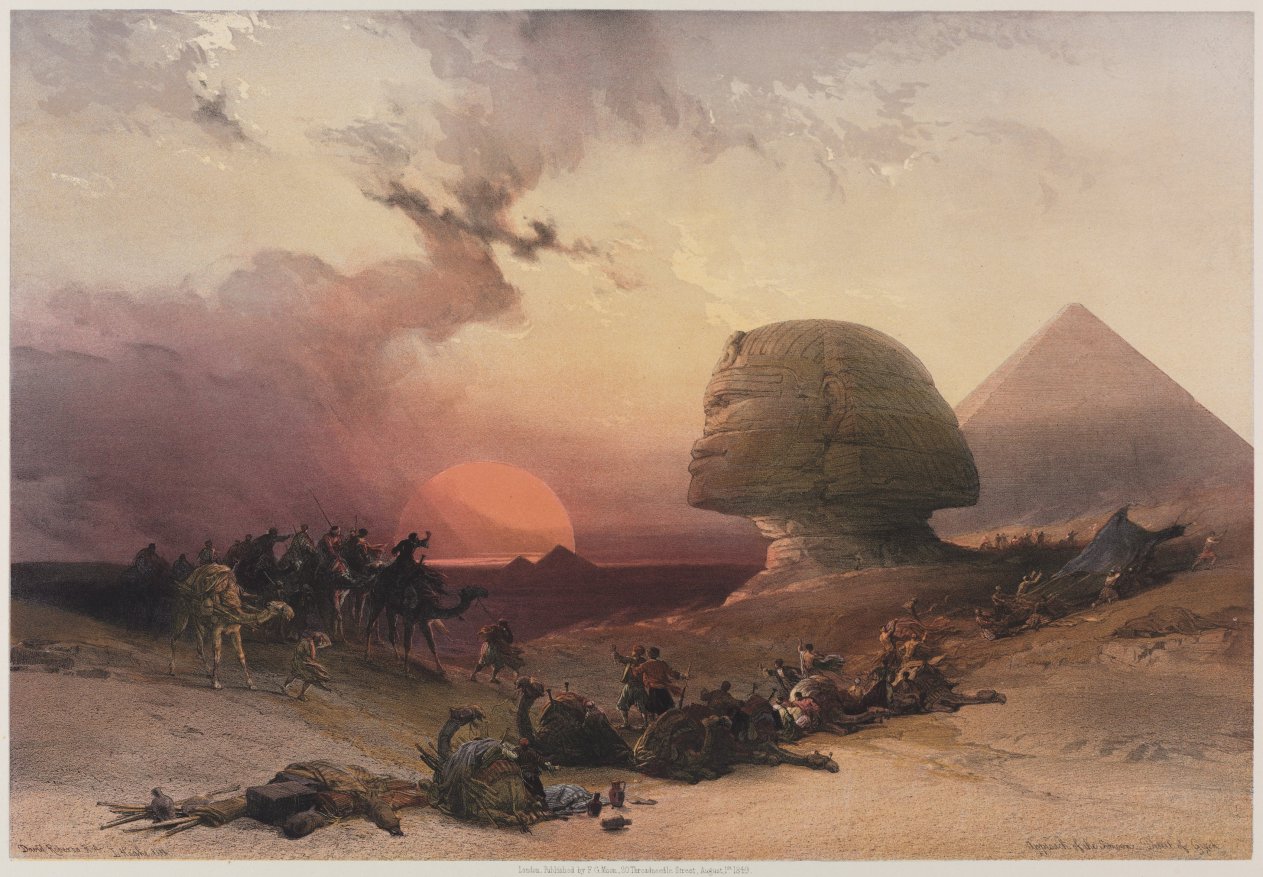 Egypt and Nubia, Volume III: Approach of the Simoon-Desert at GizehLouis Haghe · 1849
 Egypt and Nubia, Volume II: Entrance to the Tombs of the Kings of Thebes, Bab-El-MaloukLouis Haghe · 1848
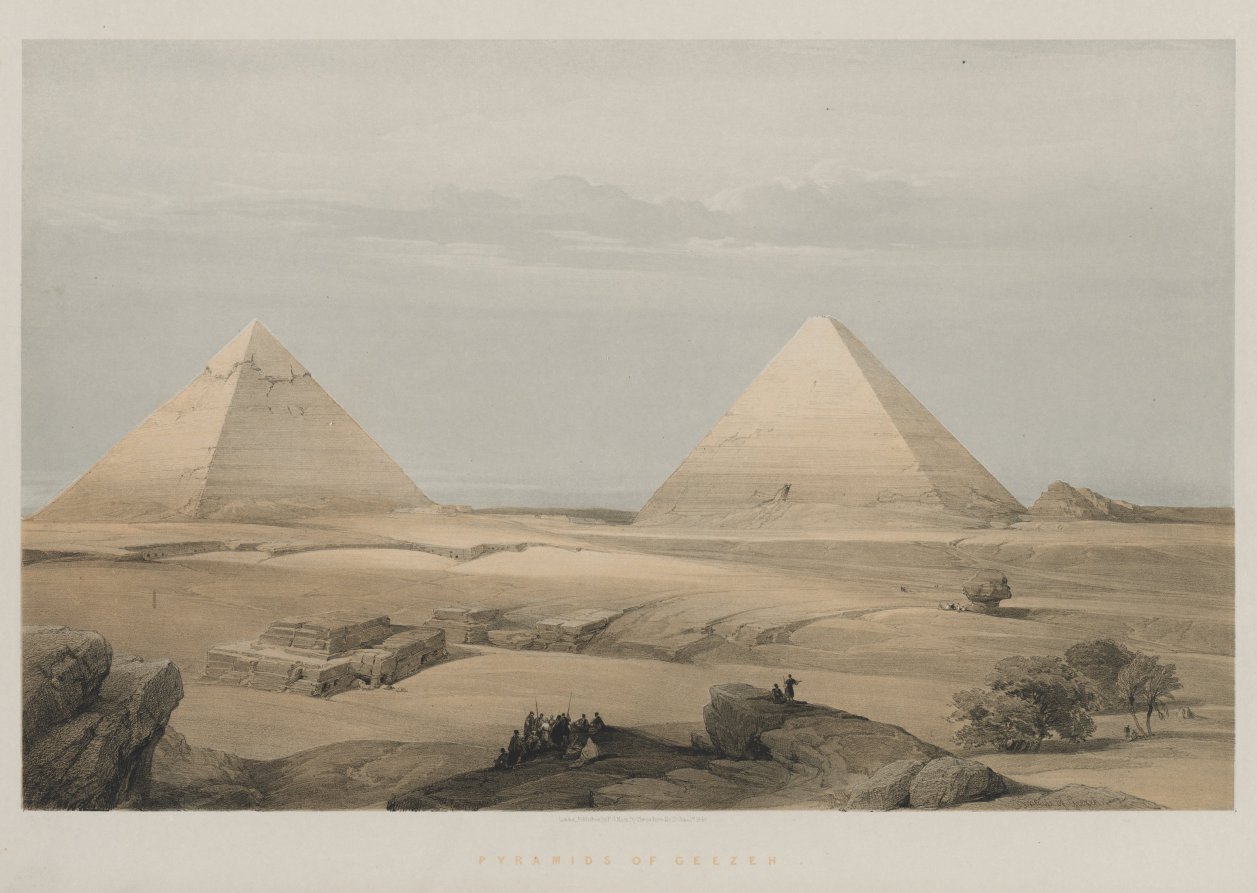 Egypt and Nubia, Volume II: Pyramids of GeezehLouis Haghe · 1848
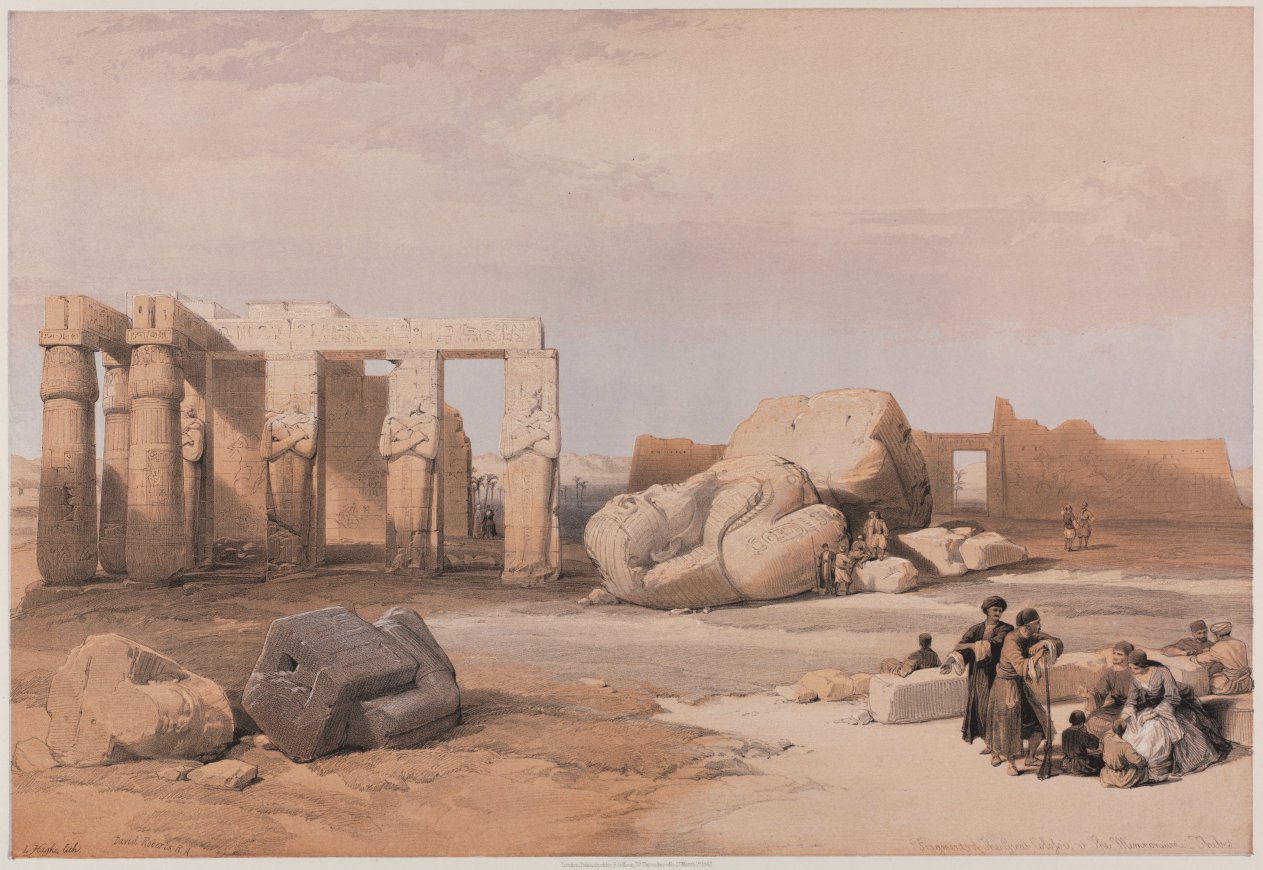 Egypt and Nubia, Volume II: Fragments of the Great Colossi at the Memnonium, ThebesLouis Haghe · 1847
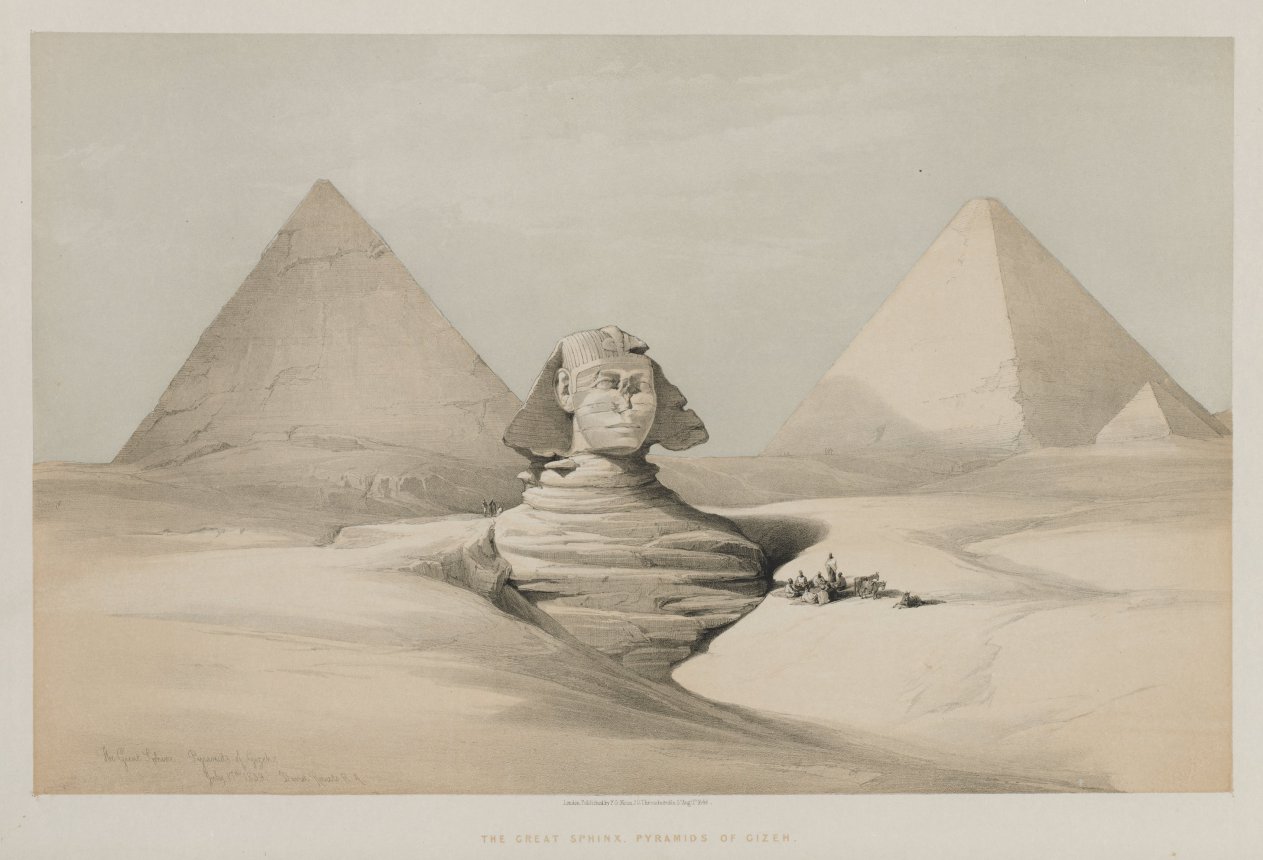 Egypt and Nubia, Volume I: The Great Sphinx, Pyramids of GezeehLouis Haghe · 1846
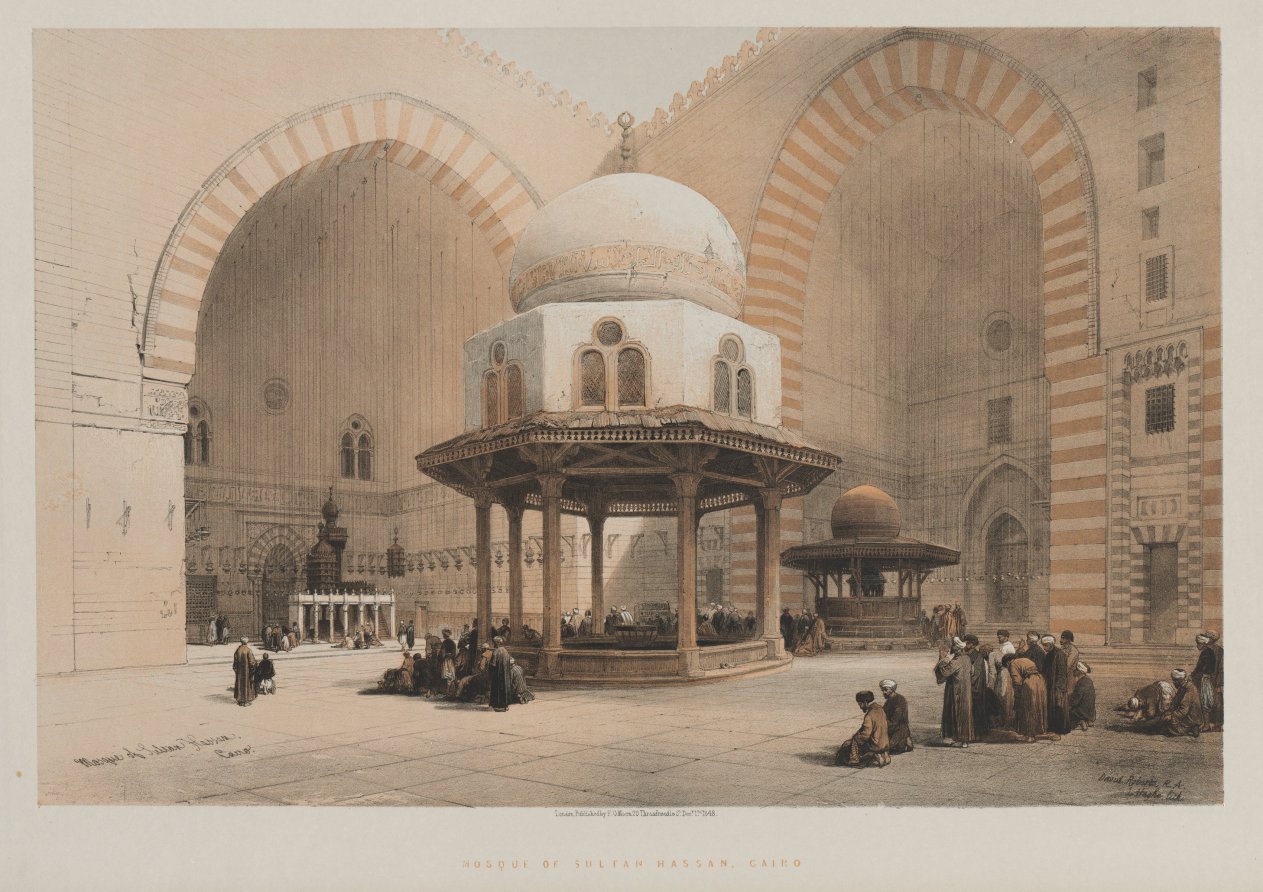 Egypt & Nubia, Volume III, No. 8: Mosque of Sultan Hassan, CairoLouis Haghe · 1842–49
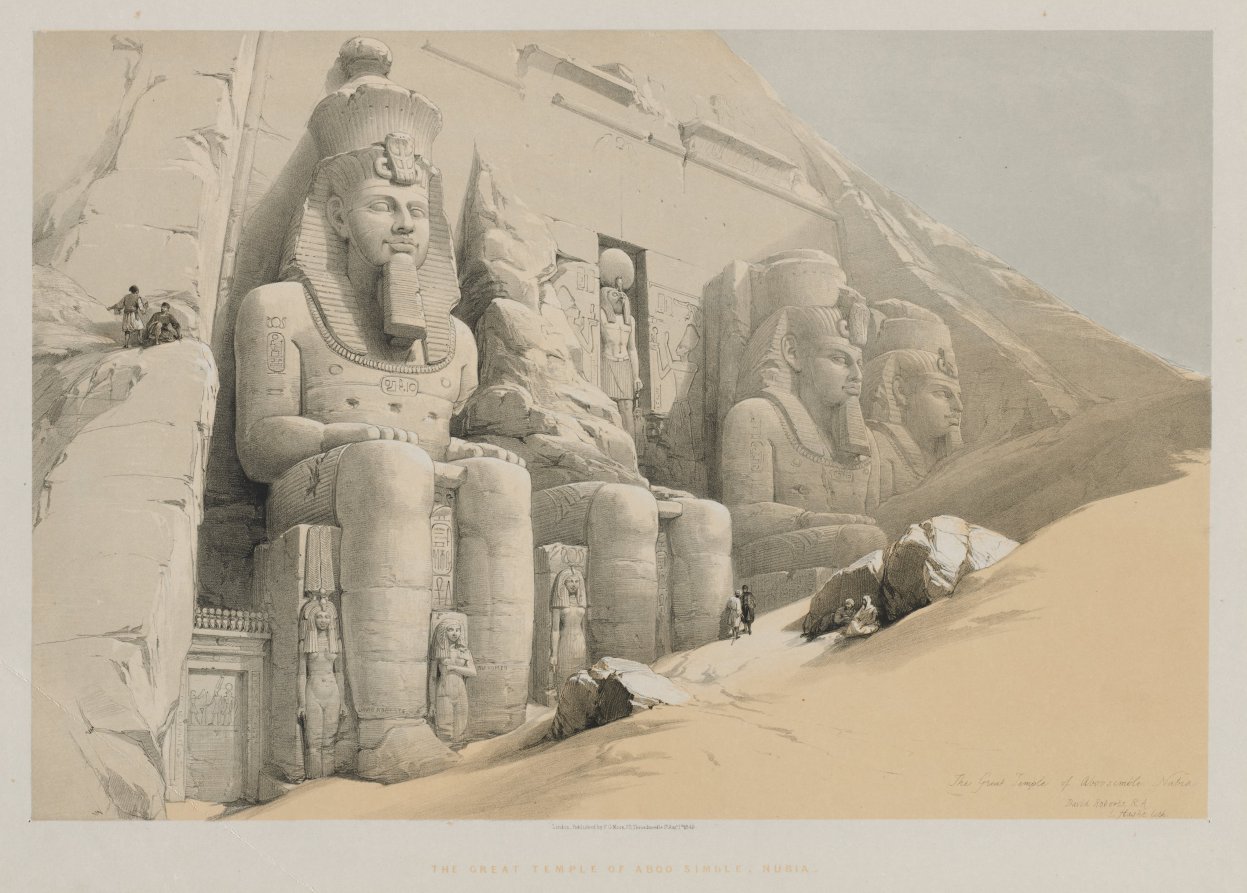 Egypt and Nubia, Volume I: The Great Temple of Aboo-Simble, NubiaLouis Haghe · 1846
 Egypt and Nubia, Volume III, No. 26, Cairo, Looking WestLouis Haghe · 1848