잠시만 기다려 주세요
잠시만 기다려 주세요
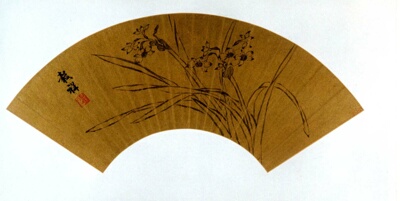
Wang Guxiang · 1531 · 클리블랜드 미술관
작품의 주요 특징과 배경을 연결해 살펴봐요.
가이드를 찾고 있습니다.
In this painting, flowers are loosely arranged by the seasons: narcissus and peony represent early spring; yellow loquat and lotus, summer; chrysanthemum, autumn; and the plum and evergreen bamboo, winter. The artist added to each flower a poetic line of calligraphy associating each plant with a historic or legendary figure. For example, the chrysanthemum, along with the line “The untrammeled joy at the eastern fence,” refers to the poet Tao Yuanming (died AD 427) who enjoyed chrysanthemums at the eastern fence in his garden. The scroll illustrates Wang Guxiang’s mastery of free brushwork, combining light monochrome ink with transparent colors. In his inscription, Wang says he used the “boneless” style without outlines as developed during the Yuan dynasty (1279–1368). Wang was a native of Changzhou, a city in southeast China known for its rich flora and fauna, and flower-and-bird painting tradition.
미술관이 쓴 설명 원문입니다(영어). 라이선스: CC0
작품 이미지와 미술관 정보를 이 기기에 저장해 인터넷 연결 없이 읽어 보세요.
궁금한 것을 내 말로 물어보세요. 미술관이 이 작품에 대해 쓴 글에서 답을 찾고, 거기에 없으면 없다고 말합니다.
이미지: Cleveland Museum of Art, CC0