잠시만 기다려 주세요
잠시만 기다려 주세요
작품의 주요 특징과 배경을 연결해 살펴봐요.
가이드를 찾고 있습니다.
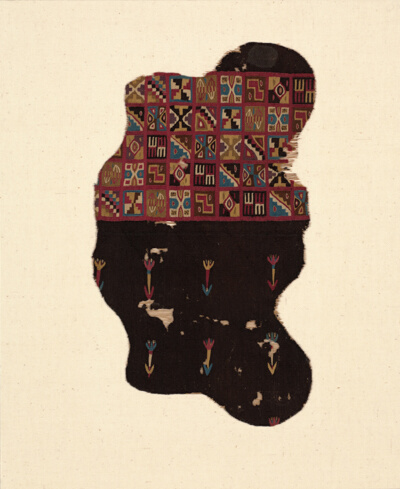
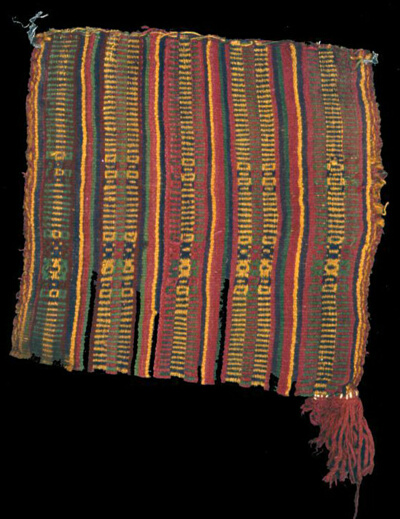
This textile was cut from the shoulder area of an Inca or Indigenous man’s tunic, called an uncu in Quechua. The maker wove the cantuta flowers in opposite directions so they would remain upright when the garment was worn. The cascades of rectangles that define the yoke were invented during the Spanish Colonial period, possibly reinventing a style from an earlier regional culture that had been conquered by the Incas. The faint line within the red threads is a diagonal break that reveals the cloth was woven in sections—a time-saving approach used after the Inca Empire’s strict rules for creating textiles waned. This tunic waistband fragment in our collection was also part of the same garment. A third piece of the same tunic is in the collection of The Textile Museum in Washington, DC (91.8).
미술관이 쓴 설명 원문입니다(영어). 라이선스: CC BY 4.0
작품 이미지와 미술관 정보를 이 기기에 저장해 인터넷 연결 없이 읽어 보세요.
궁금한 것을 내 말로 물어보세요. 미술관이 이 작품에 대해 쓴 글에서 답을 찾고, 거기에 없으면 없다고 말합니다.
이미지: Art Institute of Chicago, CC0