잠시만 기다려 주세요
잠시만 기다려 주세요
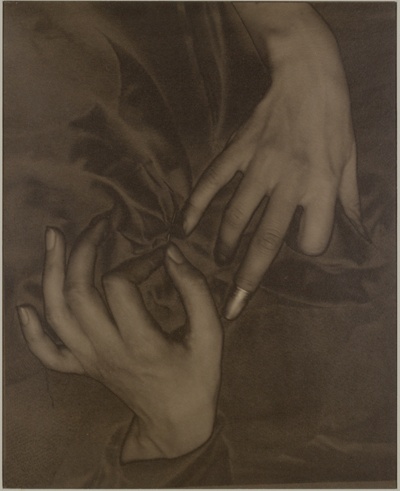
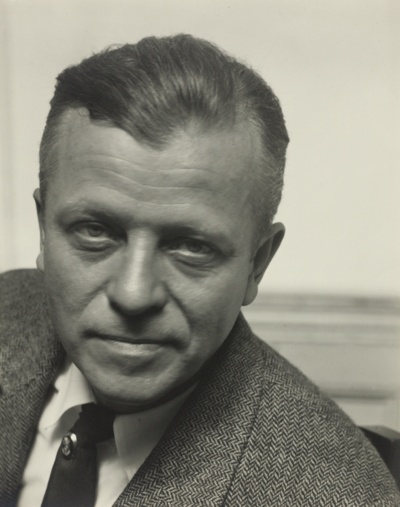
Alfred Stieglitz · 1930/31 · 시카고 미술관
작품의 주요 특징과 배경을 연결해 살펴봐요.
가이드를 찾고 있습니다.
“My first memory of Alfred Stieglitz,” recalled the photographer’s wife, the painter Georgia O’Keeffe, “was on a day in 1908 when . . . I went with two or three other students to see the Rodin drawings at ‘291.’ . . . where a new kind of art was shown—and it was the only place in New York you could see anything like it.” O’Keeffe’s reminiscence suggests the influential character of the work Stieglitz promoted, and of his gallery itself. The photographer operated galleries throughout his life, using them as a platform to present his vision of modern art in America; he also treated his last gallery, An American Place, as a site for artistic creativity in its own right. The Art Institute was one of several major museums to receive gifts from Stieglitz’s collection—via O’Keeffe, his executor—in 1949; these donations often marked (as here) the institutions’ first acquisition of photographs as art.For more on the Alfred Stieglitz collection at the Art Institute, along with in-depth object information, please visit the website: The Alfred Stieglitz Collection.
미술관이 쓴 설명 원문입니다(영어). 라이선스: CC BY 4.0
작품 이미지와 미술관 정보를 이 기기에 저장해 인터넷 연결 없이 읽어 보세요.
궁금한 것을 내 말로 물어보세요. 미술관이 이 작품에 대해 쓴 글에서 답을 찾고, 거기에 없으면 없다고 말합니다.
이미지: Art Institute of Chicago, CC0