잠시만 기다려 주세요
잠시만 기다려 주세요
Ancient Egyptian · Third Intermediate Period, probably Dynasty 21 (about 1069-945 BCE) · 시카고 미술관
작품의 주요 특징과 배경을 연결해 살펴봐요.
가이드를 찾고 있습니다.
Potent symbols, sacred words, and divine protection helped ancient Egyptians transition from the earthly realm to an eternal existence. Interactions between mortals and the gods were depicted on funerary objects including papyri, like this example made for temple singer Tayu-henut-Mut (“the mistress of [the goddess] Mut”). This papyrus shows Tayu-henut-Mut standing with raised hands before an offering table, praising the enthroned god Osiris, ruler of the afterlife. Behind Osiris a scribe has carefully copied spells from the Book of Going Forth by Day. First appearing during the New Kingdom (about 1550 BCE), this religious text is better known today as the Book of the Dead, because scrolls were buried with their owners. Tayu-henut-Mut’s copy includes five spells selected from nearly 200 known options to aid in her journey to eternity, including one for “causing a man to remember his name.” Egyptians believed that one would cease to exist in the afterlife if their name was forgotten or no longer spoken among the living.
미술관이 쓴 설명 원문입니다(영어). 라이선스: CC BY 4.0
작품 이미지와 미술관 정보를 이 기기에 저장해 인터넷 연결 없이 읽어 보세요.
궁금한 것을 내 말로 물어보세요. 미술관이 이 작품에 대해 쓴 글에서 답을 찾고, 거기에 없으면 없다고 말합니다.
이미지: Art Institute of Chicago, CC0
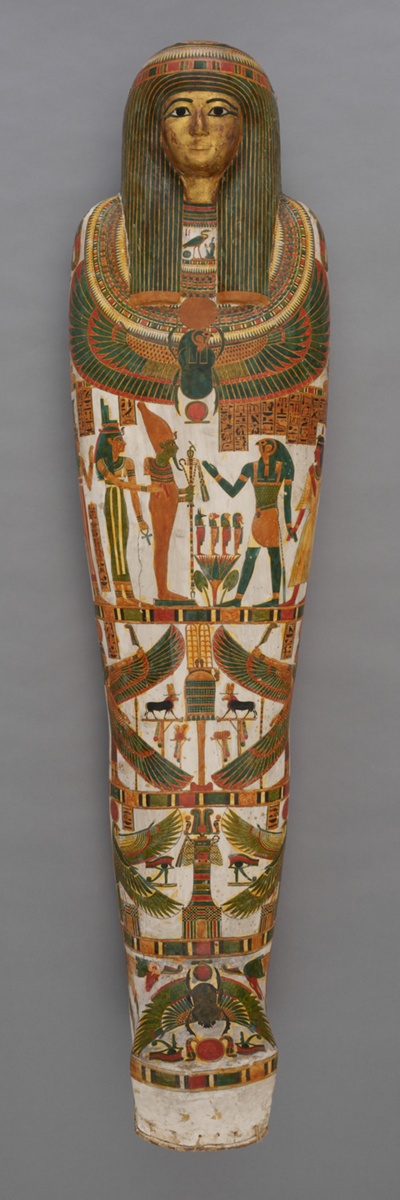 해설Coffin and Mummy of Paankhaenamun파앙케나문의 관과 미라Ancient Egyptian · Third Intermediate Period, Dynasty 22, reign of Osorkon I (about 924–889 BCE)
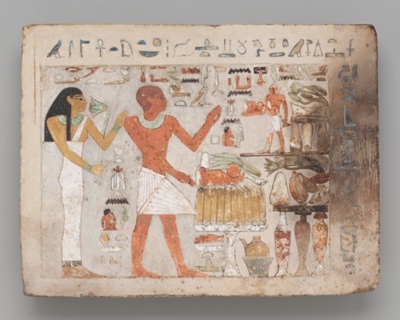 해설Stela of Amenemhat and Hemet아메넴하트와 헤메트의 석비Ancient Egyptian · Middle Kingdom, early Dynasty 12, about 1956–1877 BCE
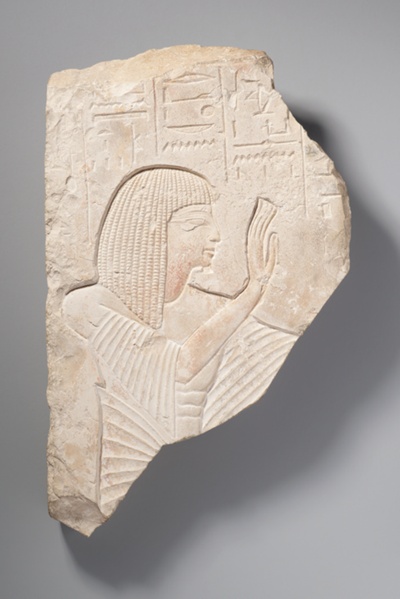 Fragment of a Stela of NeferhotepAncient Egyptian · New Kingdom, mid-Dynasty 19, about 1240-1195 BCE