
잠시만 기다려 주세요
잠시만 기다려 주세요
Utagawa Kunisada · 1814 · 클리블랜드 미술관
작품의 주요 특징과 배경을 연결해 살펴봐요.
가이드를 찾고 있습니다.
Here, the actor plays the role of an exiled statesman, transforming himself into a vengeful thunder god. The red-and-white make-up style—kumadori, or "shadow painting"—is characteristic of the aragoto manner of portraying heroic roles. The crossed eyes and clenched mouth—in this role a plum blossom branch is added—demonstrates the conventional mie pose used by Kabuki actors to express intense emotion at the most dramatic moment in the play. The audience applauds the actor’s ability to hold this pose, influenced by the stylized movements of the puppets in the famous Bunraku theater. This sensational transformation of the hero is the high point of the scene.
미술관이 쓴 설명 원문입니다(영어). 라이선스: CC0
작품 이미지와 미술관 정보를 이 기기에 저장해 인터넷 연결 없이 읽어 보세요.
궁금한 것을 내 말로 물어보세요. 미술관이 이 작품에 대해 쓴 글에서 답을 찾고, 거기에 없으면 없다고 말합니다.
이미지: Cleveland Museum of Art, CC0
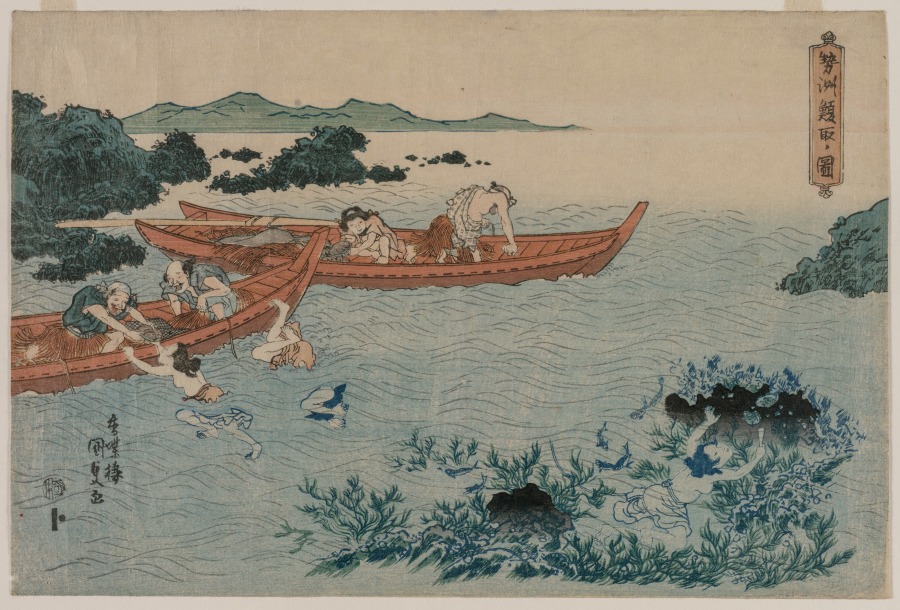 Abalone Divers off the Coast of Ise, from an Untitled Landscape SeriesUtagawa Kunisada · early 1830s
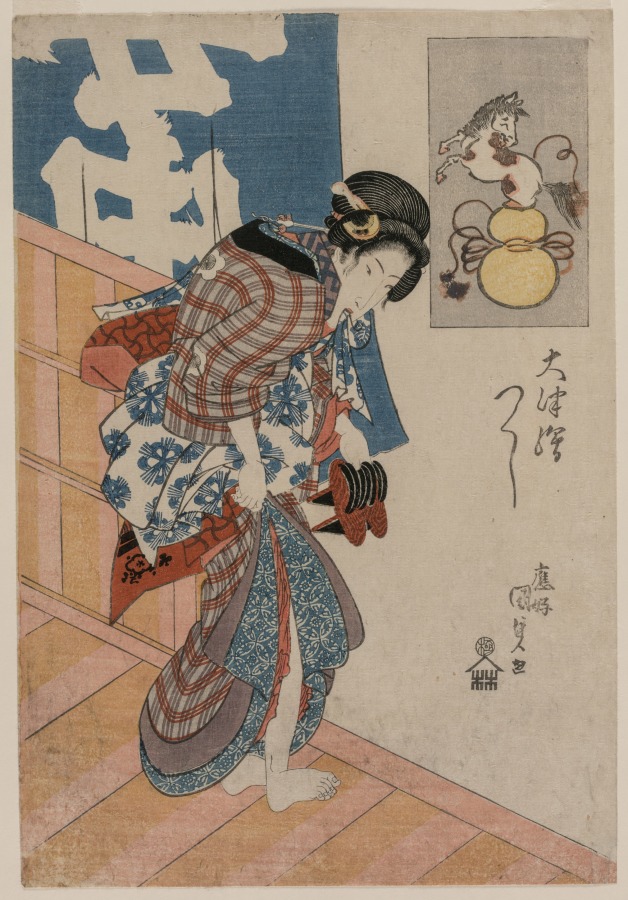 Woman Leaving a Bath House (from the series Pictures from Otsu)Utagawa Kunisada · c. mid 1820s
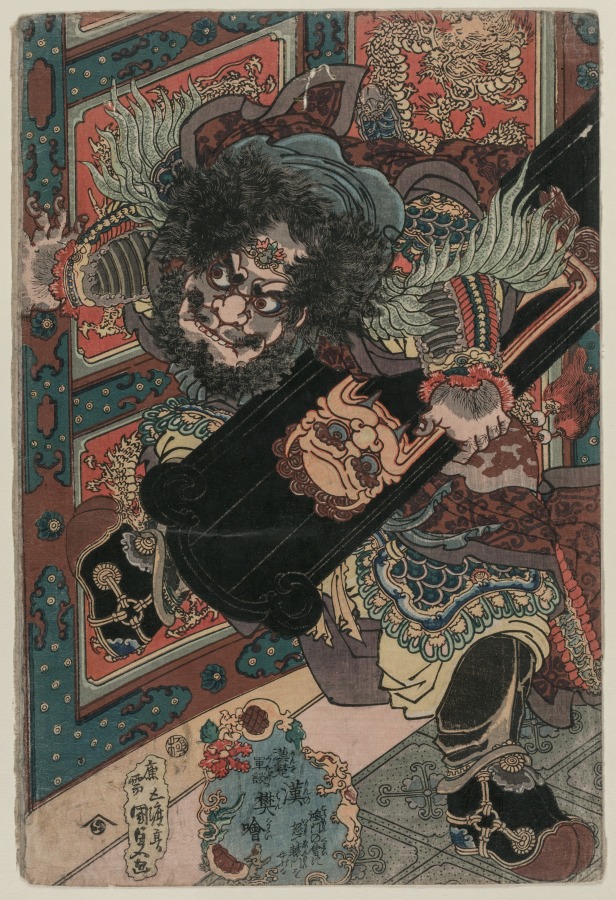 The Military Tales of Han and Chu: Fan Kuai of the HanUtagawa Kunisada · c. late 1820s
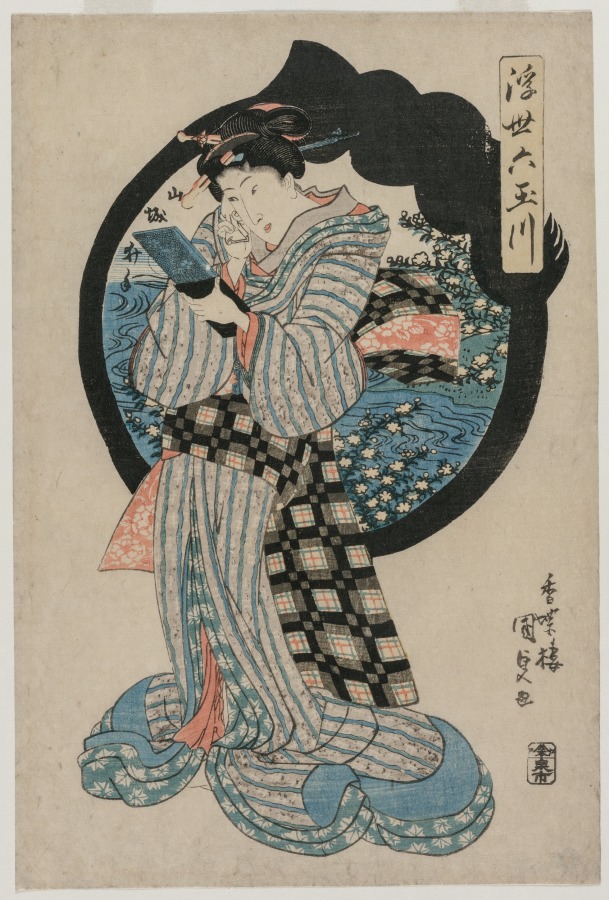 Woman with a Hand Mirror from the series The Six Tama Rivers of the Floating WorldUtagawa Kunisada · c. early 1830s
 Nakamura Utaemon III as the Monkey Trainer Yojiro (from the series Famous Kabuki Plays)Utagawa Kunisada · mid-1810s
 A View of the Large New Room at SakuraiUtagawa Kunisada · early or mid 1830s
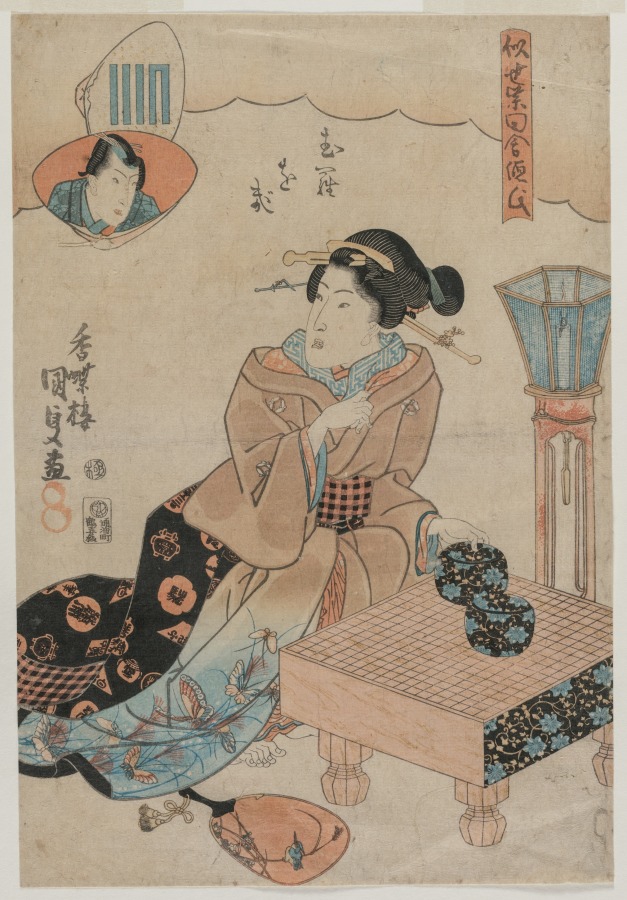 Muraogi, from the series The False Murasaki's Rustic Genji (Nise Murasaki Inaka Genji)Utagawa Kunisada · 1830s
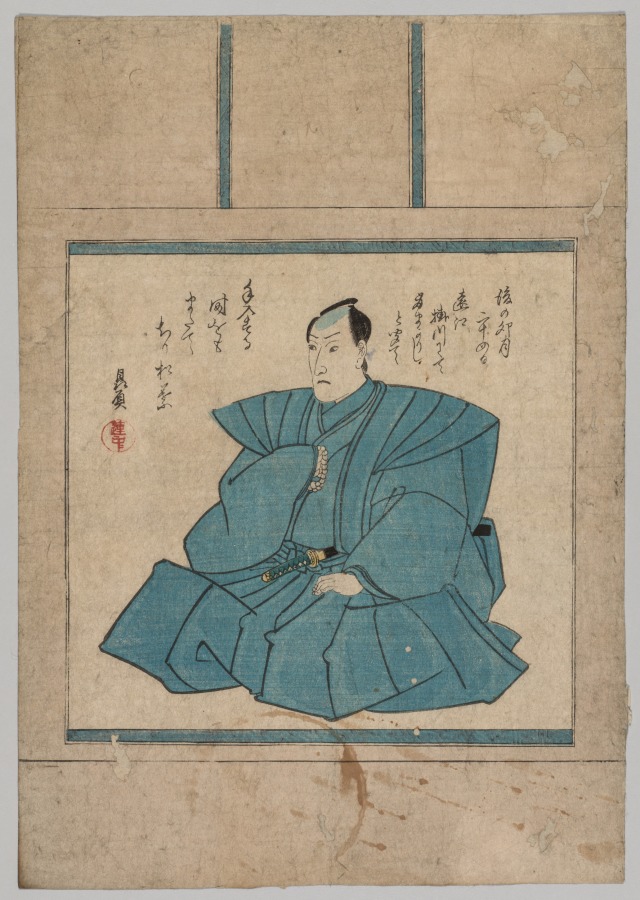 PortraitUtagawa Kunisada · 1786–1865