잠시만 기다려 주세요
잠시만 기다려 주세요
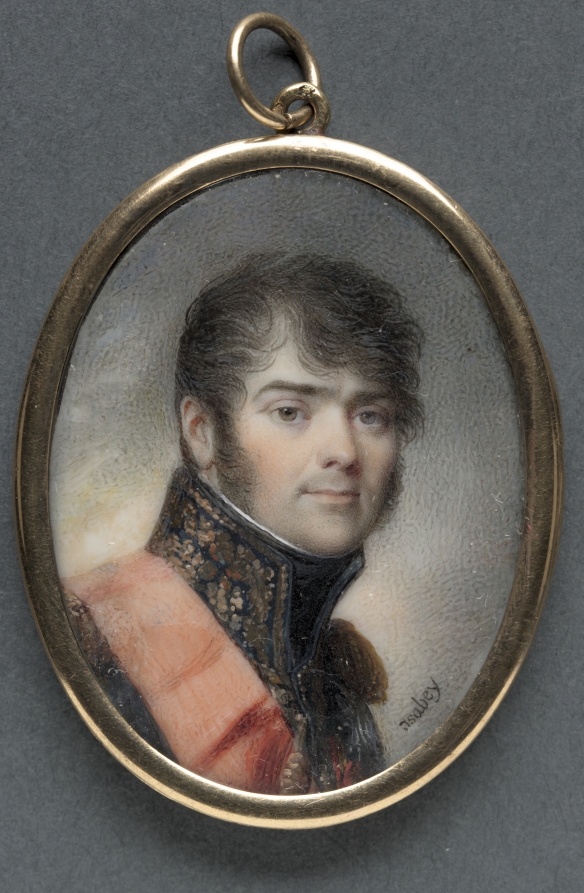
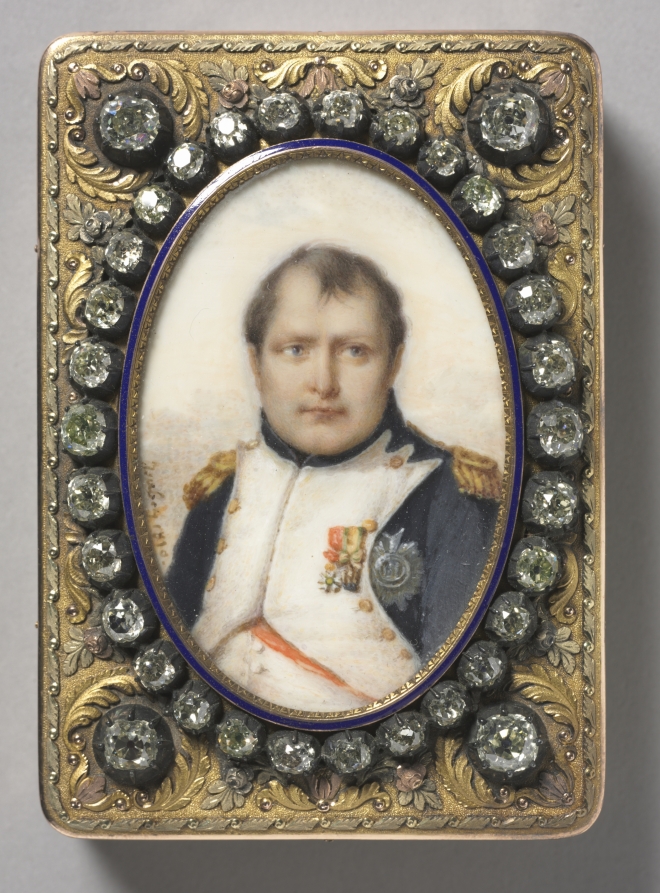
Jean-Baptiste Isabey · 1814 · 클리블랜드 미술관
작품의 주요 특징과 배경을 연결해 살펴봐요.
가이드를 찾고 있습니다.
This portrait miniature is believed to be Alexander I, emperor of Russia, painted during the Congress of Vienna, convened between September 1814 and June 1815 to establish the terms of peace in Europe following the Napoleonic Wars. Singers, actors, and artists flocked to entertain the delegates when they were not engaged in negotiations. Among these was French miniature painter Jean-Baptiste Isabey. He had been patronized by Marie Antoinette and the Bonaparte family but managed to retain a client base when the Bourbon kings were reinstalled. Isabey established a studio in Vienna and painted portraits and miniatures documenting the congress's delegates and attendees; he was so popular that carriages lined the street in front of his studio, which became a popular place to see the elite. Isabey signed many of his works from the congress "Isabey à Vienne," indicating that he understood the historical significance of the event. This portrait is inscribed in this way.v Emperor Alexander I did not participate directly as a delegate but was present in Vienna to ensure that his political interests were defended. Despite the lack of identifying medals, this portrait closely resembles other depictions of Alexander I by Isabey and his contemporaries, including Sir Thomas Lawrence (1769–1830). These portraits all exhibit drooping eyelids, a long thin upper lip, and a slightly bulbous nose. The romantic atmosphere and perplexing lack of imperial accouterments in the miniature suggest that this work was a private memento for Alexander rather than an official record of his participation.
미술관이 쓴 설명 원문입니다(영어). 라이선스: CC0
작품 이미지와 미술관 정보를 이 기기에 저장해 인터넷 연결 없이 읽어 보세요.
궁금한 것을 내 말로 물어보세요. 미술관이 이 작품에 대해 쓴 글에서 답을 찾고, 거기에 없으면 없다고 말합니다.
이미지: Cleveland Museum of Art, CC0