잠시만 기다려 주세요
잠시만 기다려 주세요
Henry Bone · 1794 · 클리블랜드 미술관
작품의 주요 특징과 배경을 연결해 살펴봐요.
가이드를 찾고 있습니다.
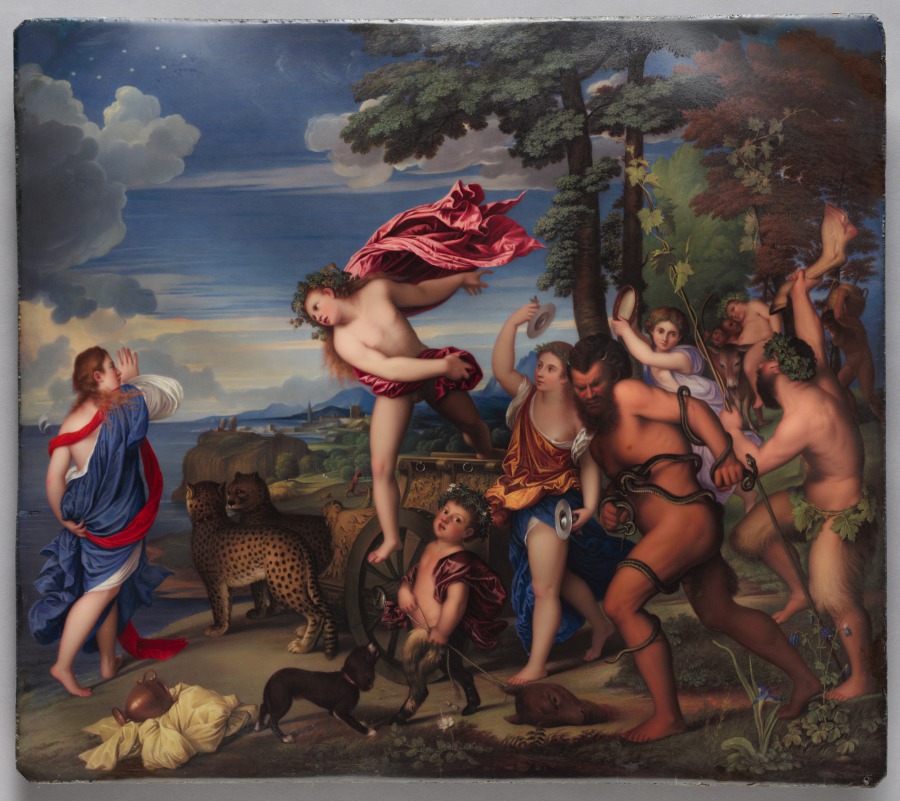
Unlike fragile portrait miniatures painted in watercolor on vellum or ivory, which are prone to cracking, fading, and flaking, enamels are resilient, impervious to the effects of light, and retain their striking original colors over time. Partly for this reason enamel was considered ideal for reproducing famous paintings and treasured portraits in a reduced and luminous form. The complicated and labor-intensive process of enameling required the artist to fire numerous layers of colored metal oxide at different temperatures. This process made it difficult to produce a faithful portrait likeness, though masters of the medium were able create portraits of remarkable subtlety imbued with the sitter's personality. Henry Bone ushered in an enamel renaissance during the late 1700s with his miniatures, which include sensitive and elegant works like this portrait of General Sir Charles Grey, after a portrait by his contemporary Thomas Lawrence. An innovator of new techniques, Bone retained the brilliance and purity of colors in layered glass enamel while achieving fine, naturalistic details by using overglazes for the faces. Henry Bone was a master enameler from Cornwall who began his training in a porcelain factory.
미술관이 쓴 설명 원문입니다(영어). 라이선스: CC0
작품 이미지와 미술관 정보를 이 기기에 저장해 인터넷 연결 없이 읽어 보세요.
궁금한 것을 내 말로 물어보세요. 미술관이 이 작품에 대해 쓴 글에서 답을 찾고, 거기에 없으면 없다고 말합니다.
이미지: Cleveland Museum of Art, CC0