잠시만 기다려 주세요
잠시만 기다려 주세요
Ancient Egyptian · New Kingdom–Third Intermediate Period (about 1550–664 BCE) · 시카고 미술관
작품의 주요 특징과 배경을 연결해 살펴봐요.
가이드를 찾고 있습니다.
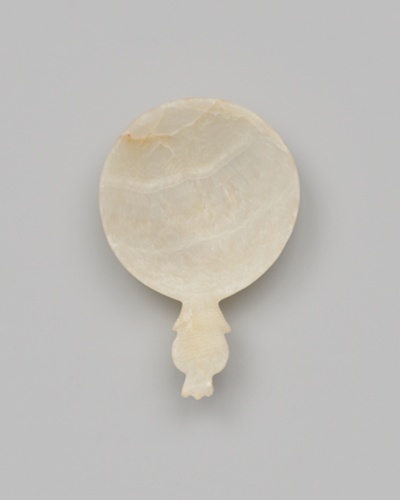
This amulet’s large, alert ears indicate that it likely represents the long-eared hedgehog (hemiechinus auritus), one of two hedgehog species native to North Africa. Despite their small stature, hedgehogs have many defenses against the harsh desert environment that ancient Egyptians admired. They use their spines for protection from predators and have immunity to snake and scorpion venom. Ancient Egyptians may have also associated hedgehogs with cycles of rebirth because they are hibernating animals. This diminutive hedgehog belongs to a type of amulet that scholars call “scaraboids.” Objects like this one derive their name from the beetle-shaped scarab amulets they resemble. Both types of carvings feature inscriptions on their undersides: phrases, names, or images of animals or deities, intended to help bring about good luck and renewal. These patterns could also be used as personal or institutional stamp seals. Ancient Egyptians likely hoped to manifest the hedgehog’s strong qualities themselves by wearing a scaraboid shaped like the animal.
미술관이 쓴 설명 원문입니다(영어). 라이선스: CC BY 4.0
작품 이미지와 미술관 정보를 이 기기에 저장해 인터넷 연결 없이 읽어 보세요.
궁금한 것을 내 말로 물어보세요. 미술관이 이 작품에 대해 쓴 글에서 답을 찾고, 거기에 없으면 없다고 말합니다.
이미지: Art Institute of Chicago, CC0
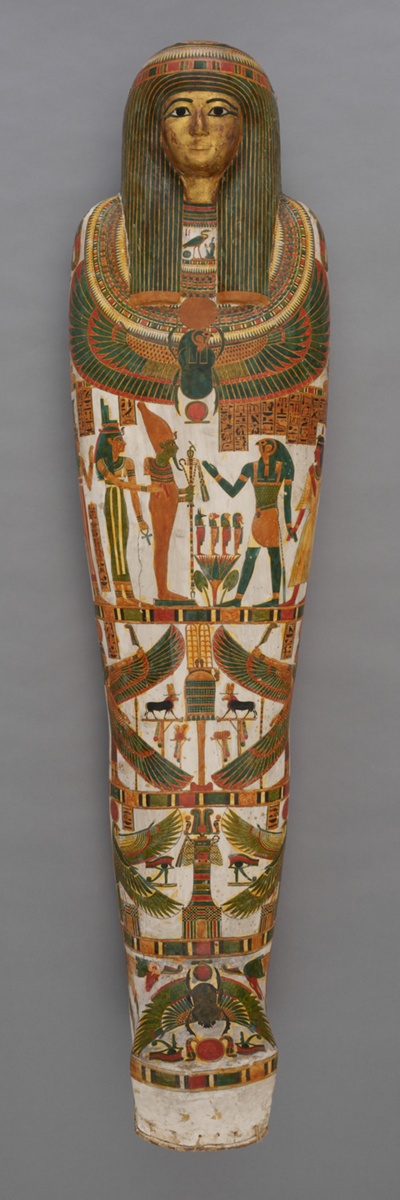 해설Coffin and Mummy of Paankhaenamun파앙케나문의 관과 미라Ancient Egyptian · Third Intermediate Period, Dynasty 22, reign of Osorkon I (about 924–889 BCE)
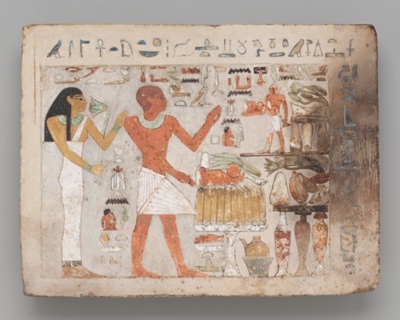 해설Stela of Amenemhat and Hemet아메넴하트와 헤메트의 석비Ancient Egyptian · Middle Kingdom, early Dynasty 12, about 1956–1877 BCE
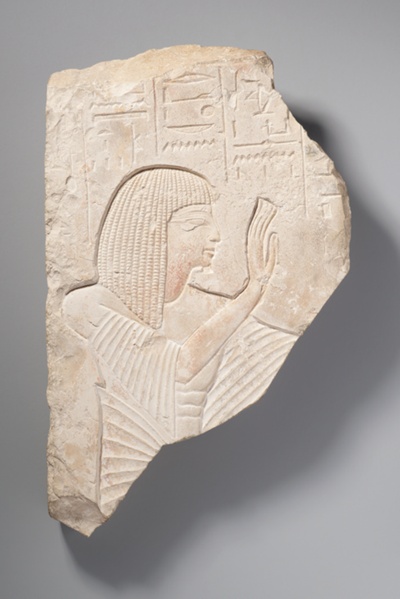 Fragment of a Stela of NeferhotepAncient Egyptian · New Kingdom, mid-Dynasty 19, about 1240-1195 BCE