잠시만 기다려 주세요
잠시만 기다려 주세요
작품의 주요 특징과 배경을 연결해 살펴봐요.
가이드를 찾고 있습니다.
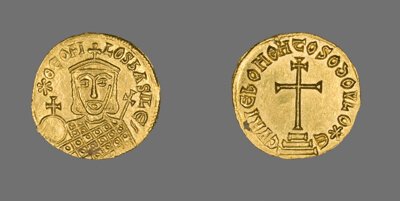
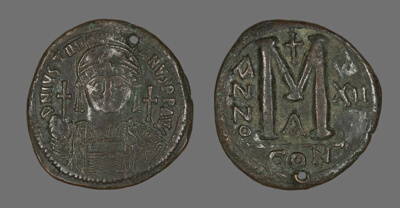
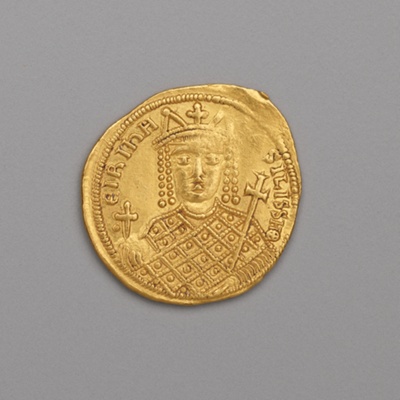
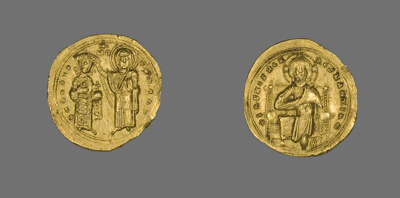
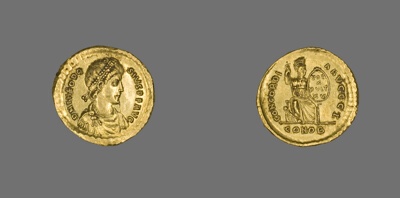
Certainly the best-known face in antiquity was that of Alexander the Great (reigned 336-323 BCE), whose profile graced coins for two hundred years. He collected the treasure of conquered kingdoms as he swept across the Near East, and with this rich booty he set up mints that produced coins bearing his portrait. Such self-advertising was new to Greece. It had been only forty years since a portrait of a living person first appeared on coinage. The purpose of the first portrait coins was to identify the ruler. The front side became a mirror of the sovereign’s self-image. The back was often used to communicate the ruler’s accomplishments or intentions. The profile portrait was used because it suited the very shallow depth and limited surface of the coin. The tiny images were carved by engravers into bronze dies, one for the front and another for the back. The coins were then struck, one by one, in a process similar to how modern coins are created today. The front (obverse) of this coin portrays the bust of Honorius, facing right, draped, cuirassed, and laureate. The back (reverse) depicts Honorius standing to the right, holding a military standard and globe surmounted by Victory. His right foot rests on a captive. Rather than defending the Roman Empire, the emperor Honorius (reigned 394–423) lived to see Italy overrun by Visigoths led by King Alaric, who virtually ended the rule of Rome.
미술관이 쓴 설명 원문입니다(영어). 라이선스: CC BY 4.0
작품 이미지와 미술관 정보를 이 기기에 저장해 인터넷 연결 없이 읽어 보세요.
궁금한 것을 내 말로 물어보세요. 미술관이 이 작품에 대해 쓴 글에서 답을 찾고, 거기에 없으면 없다고 말합니다.
이미지: Art Institute of Chicago, CC0