잠시만 기다려 주세요
잠시만 기다려 주세요
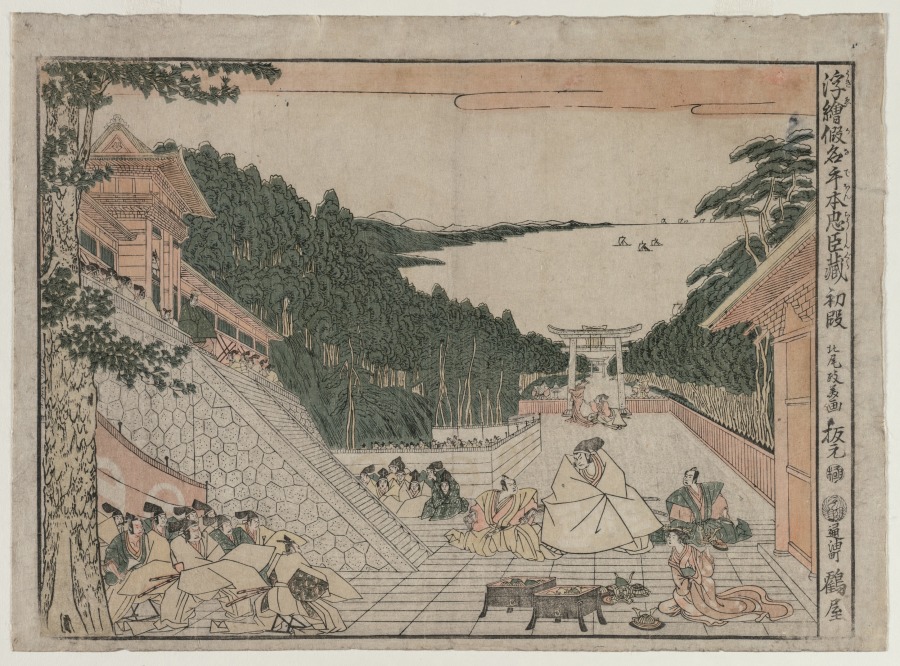
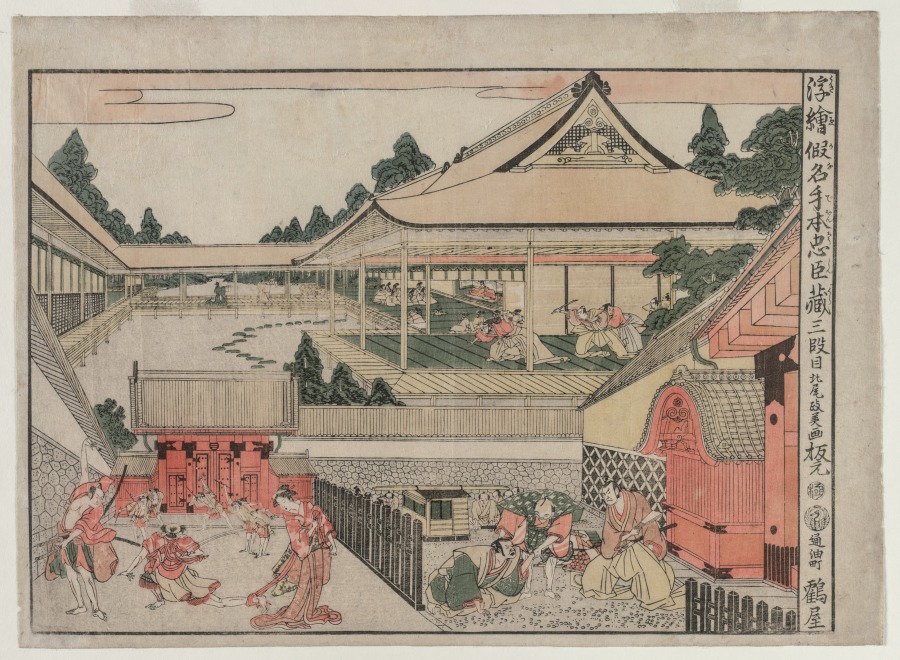
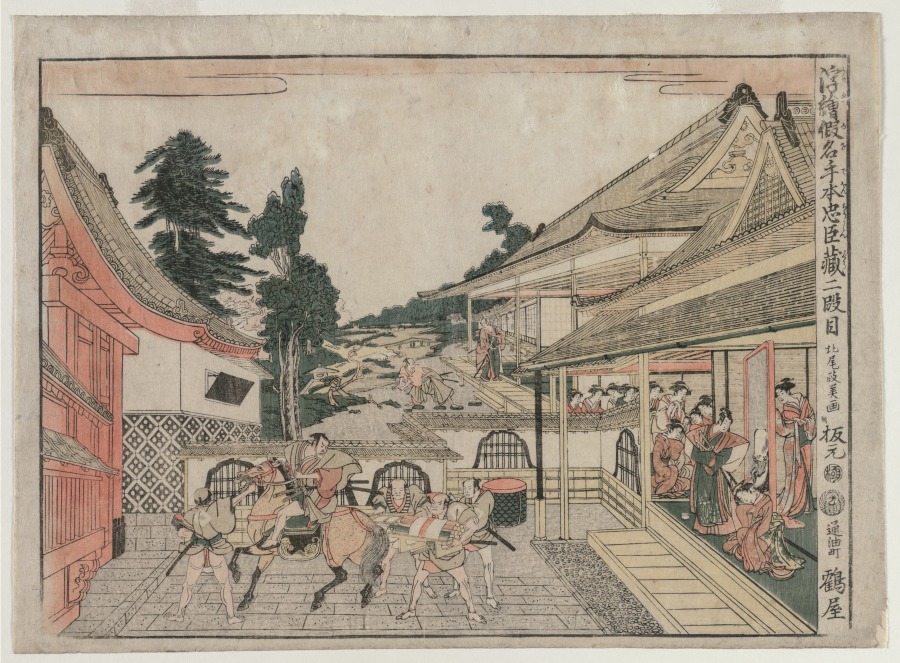
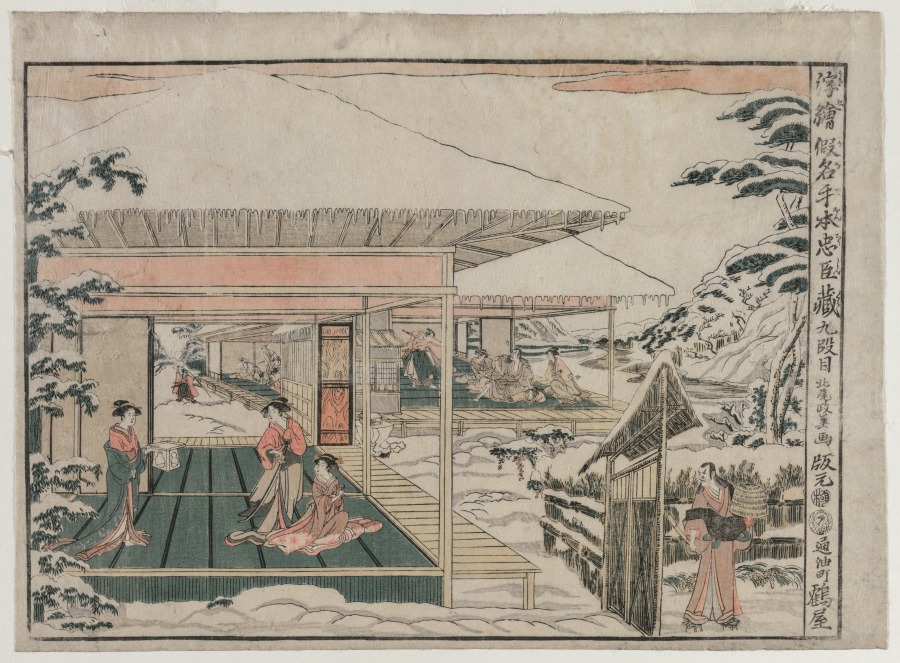
Kitao Masayoshi · late 1700s–early 1800s · 클리블랜드 미술관
가이드를 찾고 있습니다.
Here, a woman dressed as a man replaces Fugen, a bodhisattva—a being among those considered enlightened in Buddhism—who symbolizes learning as a path to awakening and typically rides an elephant. The painting teaches the lesson of impermanence through the petals falling from the lotus flower the woman holds. It also alludes to the legend of Eguchi, a 12th-century courtesan who, following an encounter with a Buddhist monk-poet called Saigyō, revealed herself to be a manifestation of Fugen.
미술관이 쓴 설명 원문입니다(영어). 라이선스: CC0
작품 이미지와 미술관 정보를 이 기기에 저장해 인터넷 연결 없이 읽어 보세요.
궁금한 것을 내 말로 물어보세요. 미술관이 이 작품에 대해 쓴 글에서 답을 찾고, 거기에 없으면 없다고 말합니다.
이미지: Cleveland Museum of Art, CC0
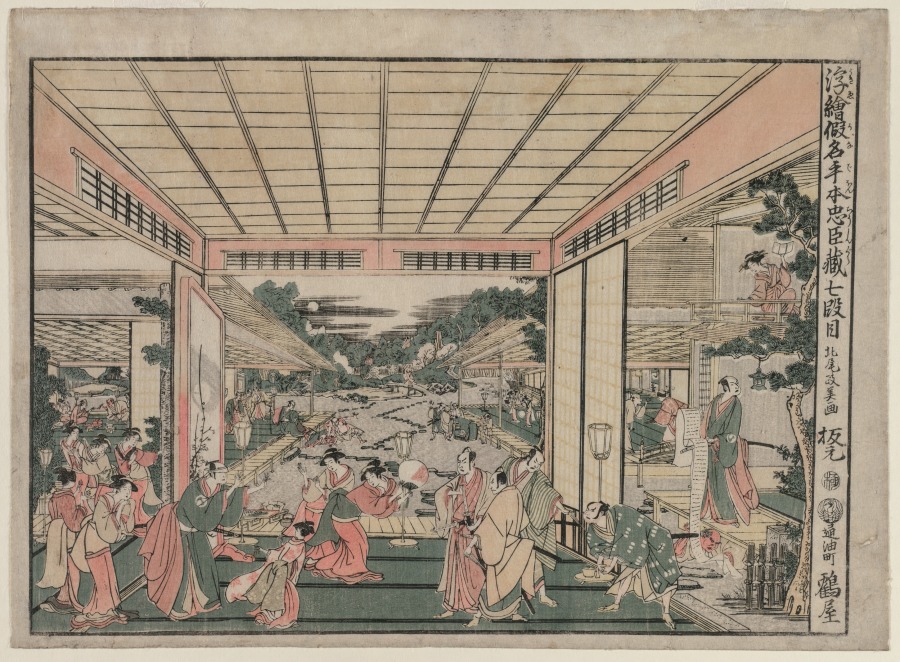 Chushingura: Act VII (from the series Perspective Pictures for The Treasure House of Loyalty)Kitao Masayoshi · c. 1790s
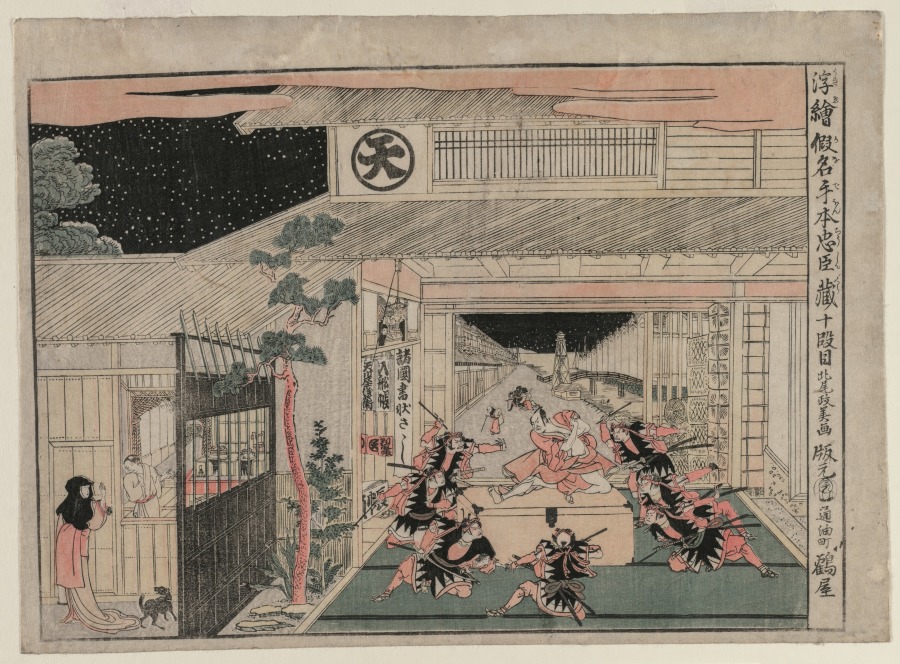 Chushingura: Act X (from the series Perspective Pictures for The Treasure House of Loyalty)Kitao Masayoshi · c. 1790s
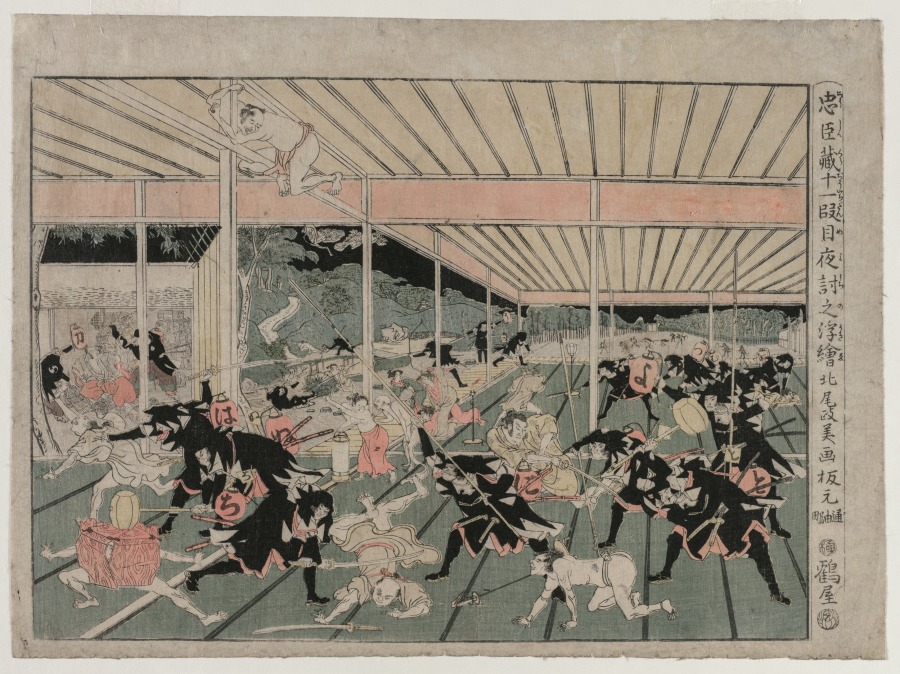 Chushingura: Act XI (from the series Perspective Pictures for The Treasure House of Loyalty)Kitao Masayoshi · c. 1790s