잠시만 기다려 주세요
잠시만 기다려 주세요
Claude Gillot · c. 1693–1715 · 클리블랜드 미술관
작품의 주요 특징과 배경을 연결해 살펴봐요.
가이드를 찾고 있습니다.
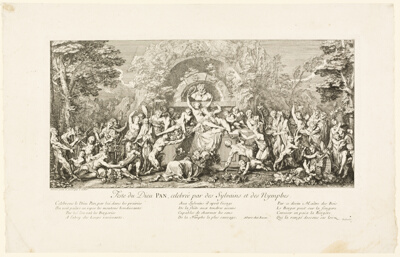
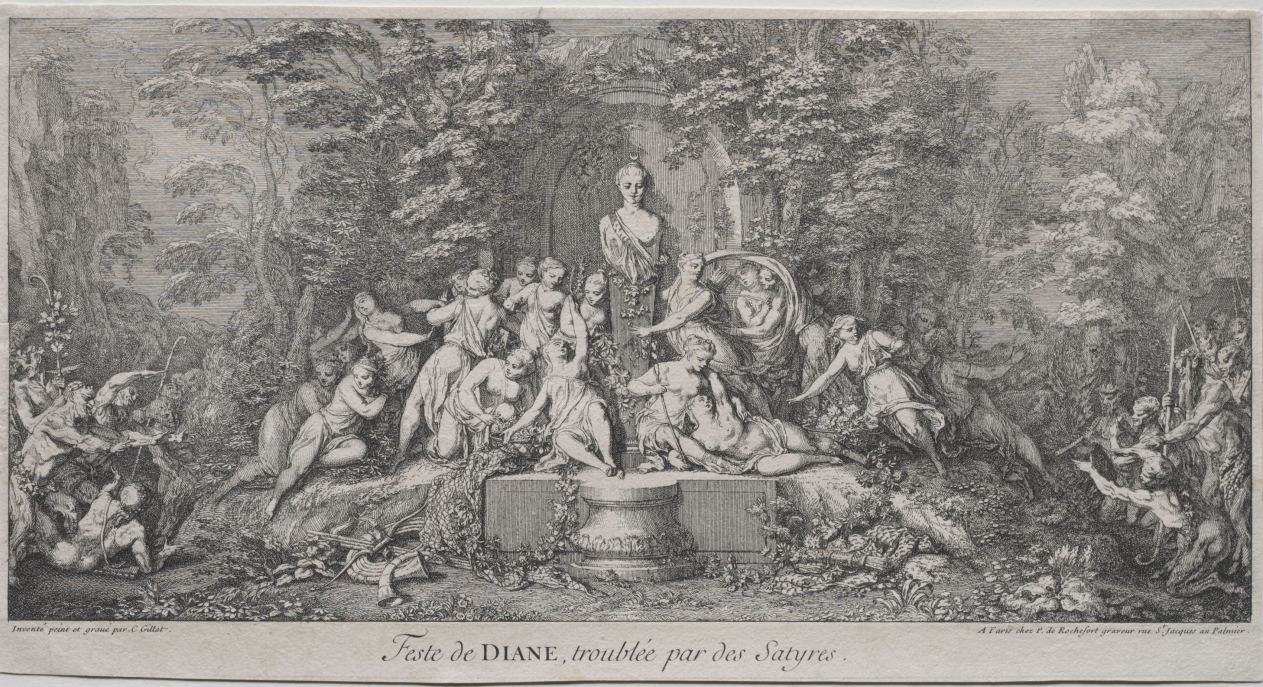
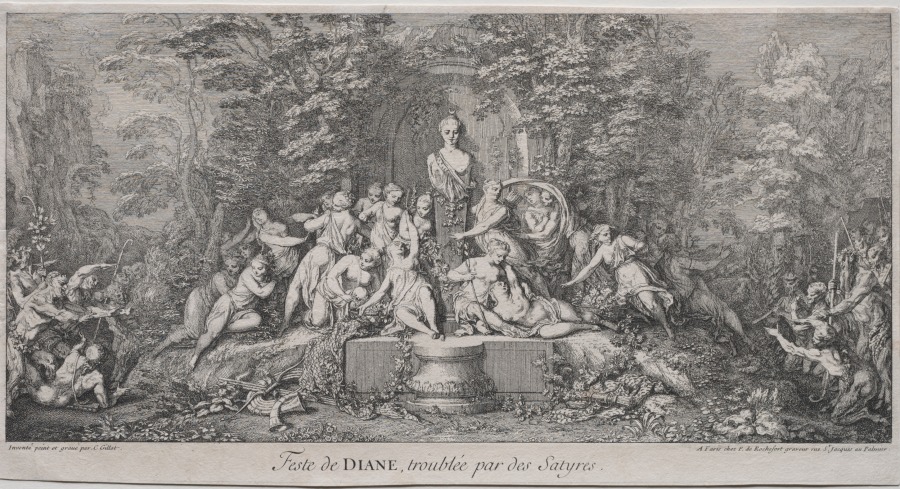
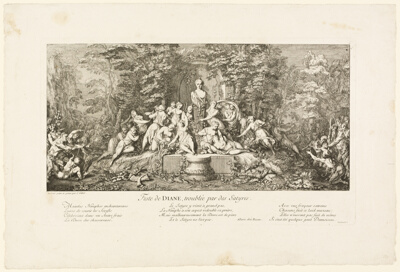
The principal source of inspiration for Claude Gillot, while working in Paris during the final years of the reign of Louis XIV (r. 1643–1715), was popular theater. His staged and precisely choreographed bacchanalia scene consists of music, dancing bacchants, drinking, and plentiful food, all symmetrically composed around a herm (a stone pillar topped by the head of Bacchus). According to written sources in Gillot’s time, a herm marked a site in ancient Greece where rites to Bacchus occurred. At the far right, a young satyr holds a thyrsus—a wand decorated with grape leaves and ivy—a bacchanalian symbol of fertility and hedonism. The lovely bacchantes (female followers of Bacchus) dancing throughout the composition appear in contrast with the beastly satyrs and fauns. The term bacchante could also be used to describe an intoxicated and libidinous woman in less mythological contexts.
미술관이 쓴 설명 원문입니다(영어). 라이선스: CC0
작품 이미지와 미술관 정보를 이 기기에 저장해 인터넷 연결 없이 읽어 보세요.
궁금한 것을 내 말로 물어보세요. 미술관이 이 작품에 대해 쓴 글에서 답을 찾고, 거기에 없으면 없다고 말합니다.
이미지: Cleveland Museum of Art, CC0