잠시만 기다려 주세요
잠시만 기다려 주세요
Christoffel Jegher · c. 1631 · 시카고 미술관
작품의 주요 특징과 배경을 연결해 살펴봐요.
가이드를 찾고 있습니다.
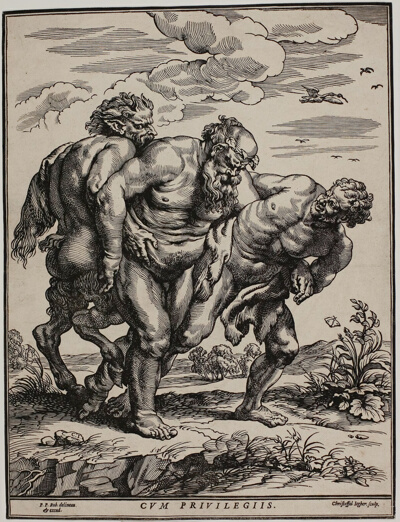
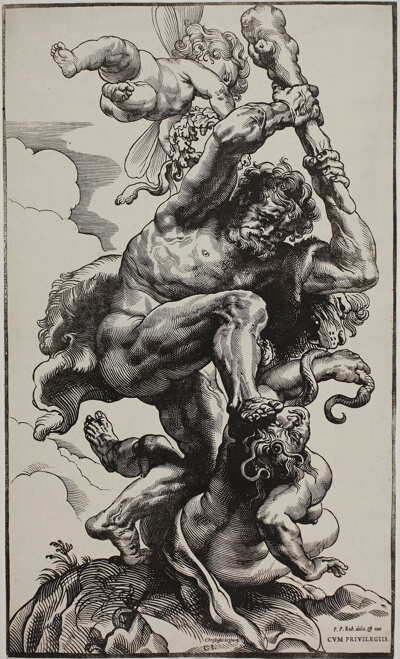
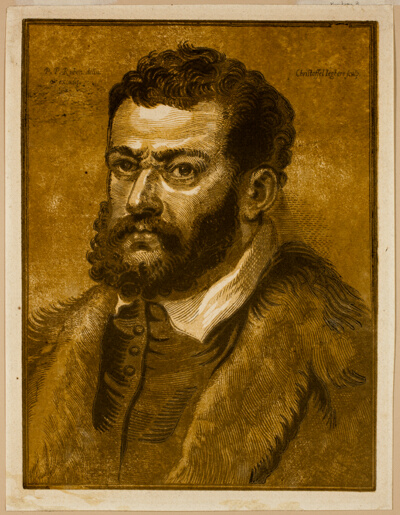
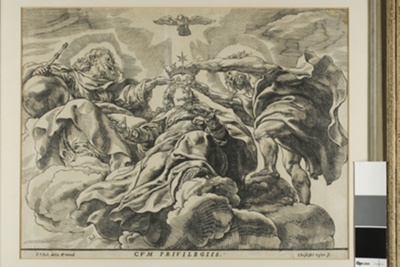
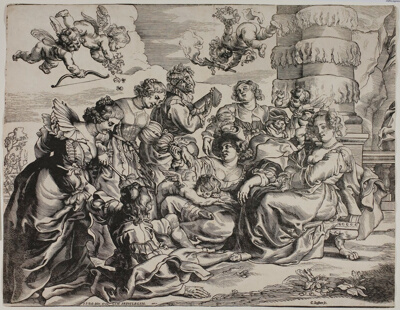
Christoffel Jegher produced several large-scale woodcuts in collaboration with the Flemish painter and diplomat Peter Paul Rubens, of which this two-sheet print is the largest. The panoramic garden setting includes delights such as a group of musical enthusiasts perched on plush chairs and colonnaded ledges on the left; on the right is a fountain grotto with decorative streams of water into which the most boisterous men try to cajole their lovers. The unsure woman on the far right, her waist firmly grasped by a smooth-talking admirer, resists the necessary push into temptation from a determined, winged Eros. Rubens was deeply involved in producing prints after his paintings, of which the most illustrious were woodcuts created from about 1632 to 1636 by Christoffel Jegher. The most ambitious of these large woodcuts is the Garden of Love, a composition inspired by the painting of this subject (now at Waddeson Manor, Buckinghamshire), dated around 1630/31. Rather than an exact reproduction of the painting, the composition was redrawn with variations by Rubens on a separate sheet as a model for the woodcut artist to follow; it was then printed by Jeghers on two nearly equal-sized sheets that function as self-contained works. Belonging to the tradition of Medieval love gardens, the right half contains portraits of Rubens and his radiant young wife, Helena Fourment, who is echoed in almost all the female faces.
미술관이 쓴 설명 원문입니다(영어). 라이선스: CC BY 4.0
작품 이미지와 미술관 정보를 이 기기에 저장해 인터넷 연결 없이 읽어 보세요.
궁금한 것을 내 말로 물어보세요. 미술관이 이 작품에 대해 쓴 글에서 답을 찾고, 거기에 없으면 없다고 말합니다.
이미지: Art Institute of Chicago, CC0