잠시만 기다려 주세요
잠시만 기다려 주세요
Francisco de Goya · 1864 · 클리블랜드 미술관
작품의 주요 특징과 배경을 연결해 살펴봐요.
가이드를 찾고 있습니다.
The freewheeling, lascivious dancers in Goya’s composion keep time with castanets, pairs of shell-shaped wooden clappers attached to the thumb and index finger. The erotic connotations of castanets dated from antiquity, when they were depicted in vase paintings in association with the cult of the goddess Cybele and the Dionysian rites. According to Martin Mersenne’s treatise, Les Preludes de l’harmonie universelle (1636), castanets were used to accompany the saraband, a fast folk dance considered disreputable in 16th-century Spain. Although by the time the saraband reached the French court in the 17th century, it had become a slow, serious, processional dance, Goya refers here to the dance’s earlier, erotic origins.
미술관이 쓴 설명 원문입니다(영어). 라이선스: CC0
작품 이미지와 미술관 정보를 이 기기에 저장해 인터넷 연결 없이 읽어 보세요.
궁금한 것을 내 말로 물어보세요. 미술관이 이 작품에 대해 쓴 글에서 답을 찾고, 거기에 없으면 없다고 말합니다.
이미지: Cleveland Museum of Art, CC0
 Young Woman (possibly a Sex Worker) with a Man (recto); Young Woman Wringing Her Hands over a Man's Naked Body (verso)Francisco de Goya · 1796–97
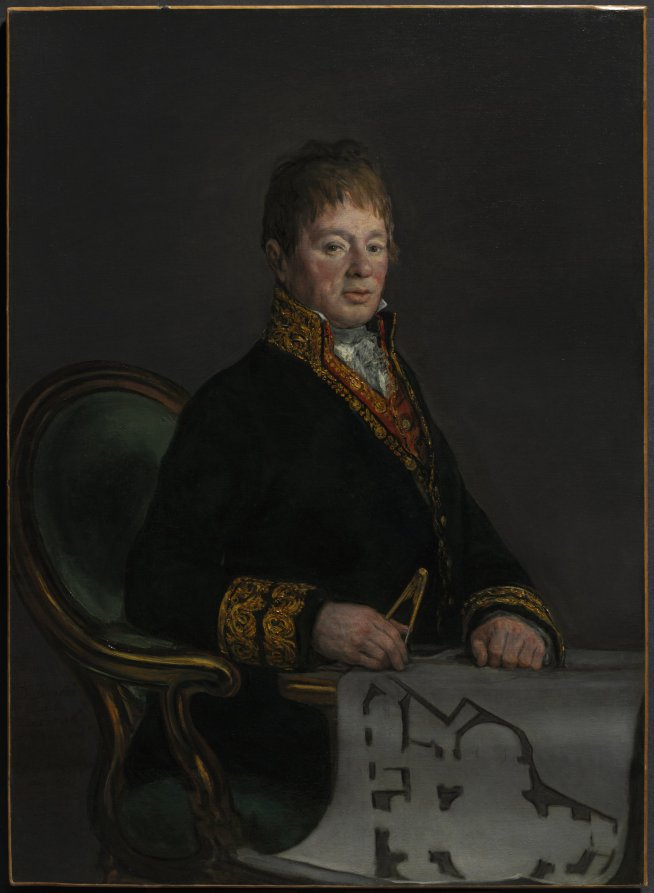 Portrait of Don Juan Antonio CuervoFrancisco de Goya · 1819
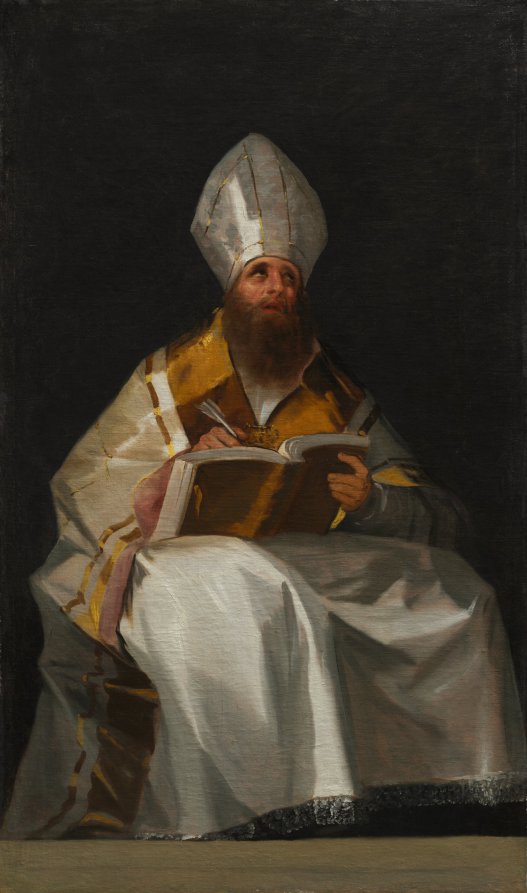 Saint AmbroseFrancisco de Goya · c. 1796–99
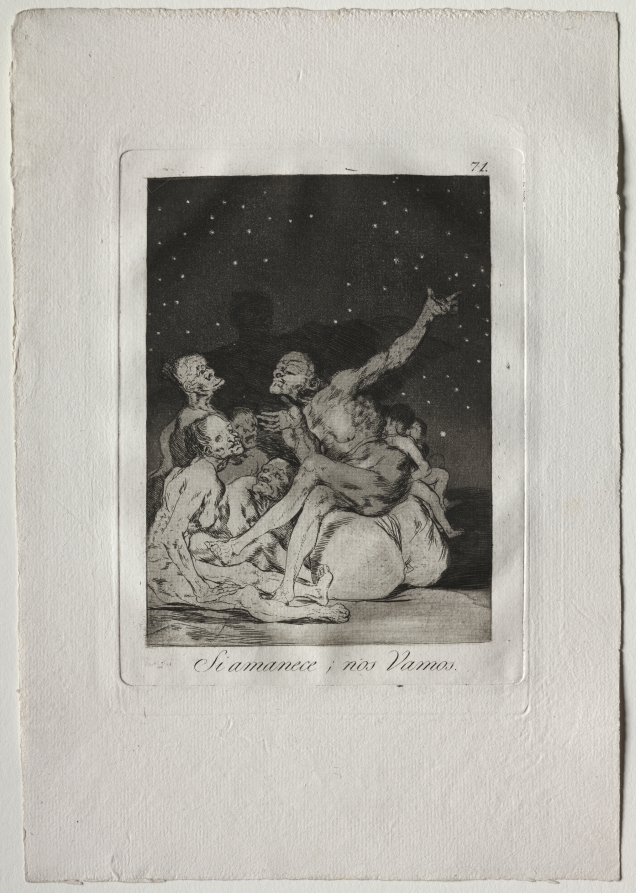 When Day Breaks We Will Be Off, Plate 71Francisco de Goya · 1799