
잠시만 기다려 주세요
잠시만 기다려 주세요
작품의 주요 특징과 배경을 연결해 살펴봐요.
가이드를 찾고 있습니다.
To make this monumental woodcut—considered one of the most ambitious prints of the Renaissance—Titian probably drew directly on the wooden blocks, after which a skilled cutter completed the blocks. The size rivals that of a painting, and the composition would have hung on a wall. Titian’s bold vision presents nature as a vehicle of God’s mercy and wrath. Moses, at right, having parted the seas for the Israelites to pass, commands them to close over the Egyptian forces (Exodus 14:21–31). Titian propelled the narrative with remarkable unity, dedicating entire blocks to the turbulent sea and rolling clouds that culminate in a magnificent cliff and Renaissance city. Some have interpreted the scene as an allegory of Venice’s troubles with the League of Cambrai, a military alliance that threatened the island city.
미술관이 쓴 설명 원문입니다(영어). 라이선스: CC0
작품 이미지와 미술관 정보를 이 기기에 저장해 인터넷 연결 없이 읽어 보세요.
궁금한 것을 내 말로 물어보세요. 미술관이 이 작품에 대해 쓴 글에서 답을 찾고, 거기에 없으면 없다고 말합니다.
이미지: Cleveland Museum of Art, CC0
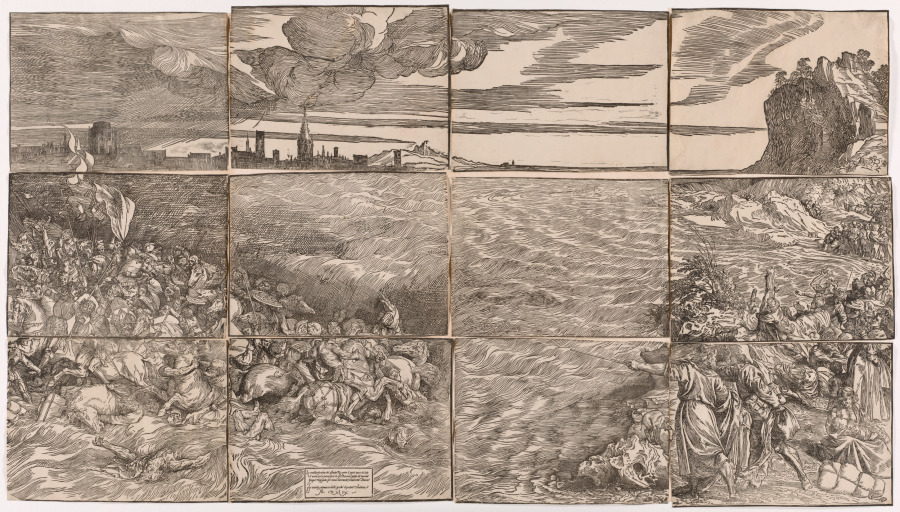 The Submersion of Pharaoh's Army in the Red SeaTitian · 1514–15, printed 1549
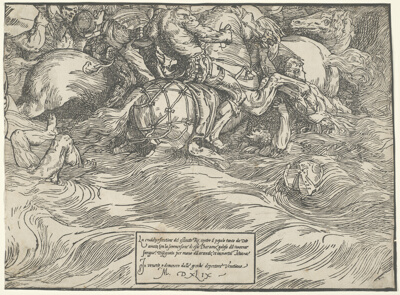 The Submersion of Pharaoh's Army in the Red SeaTitian · c. 1515, printed 1549
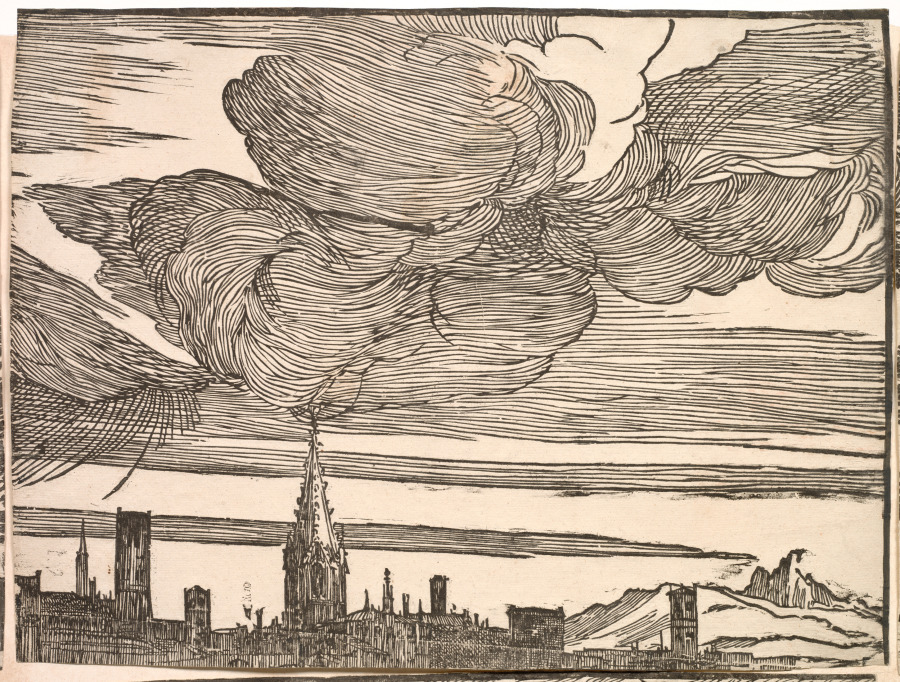 The Submersion of Pharaoh's Army in the Red SeaTitian · 1514–15, printed 1549
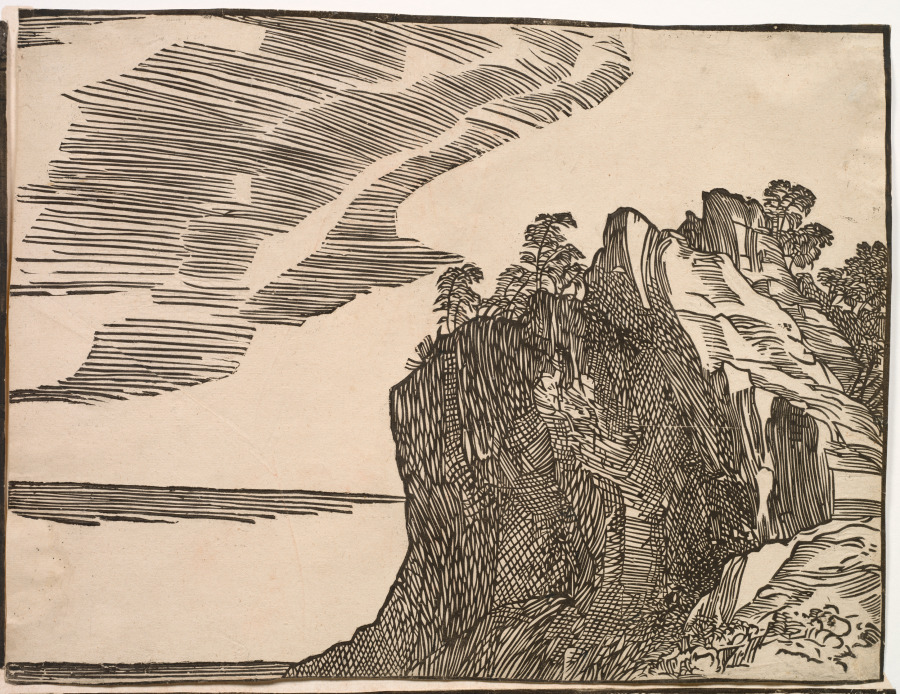 The Submersion of Pharaoh's Army in the Red SeaTitian · 1514–15, printed 1549
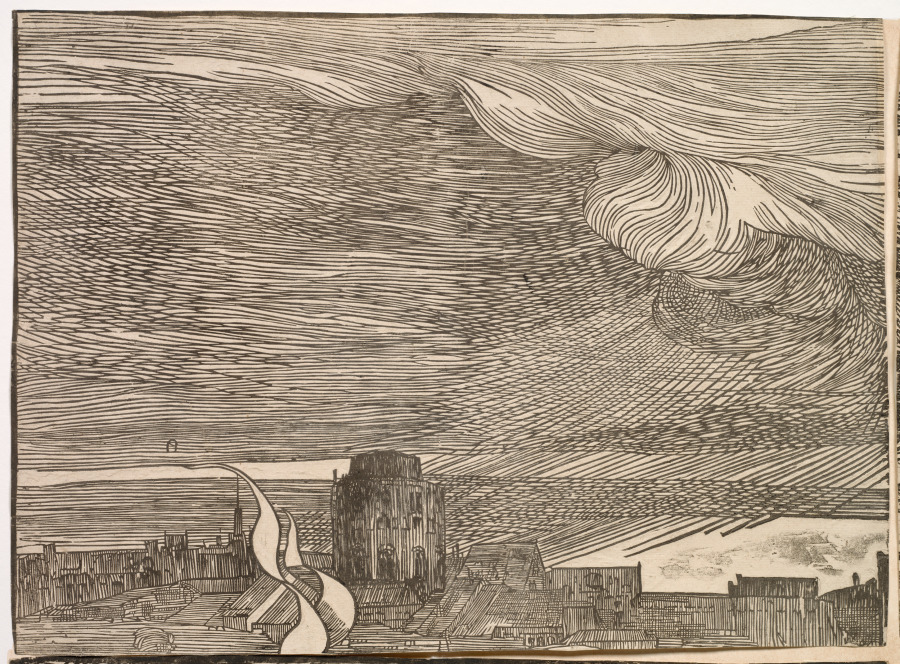 The Submersion of Pharaoh's Army in the Red SeaTitian · 1514–15, printed 1549
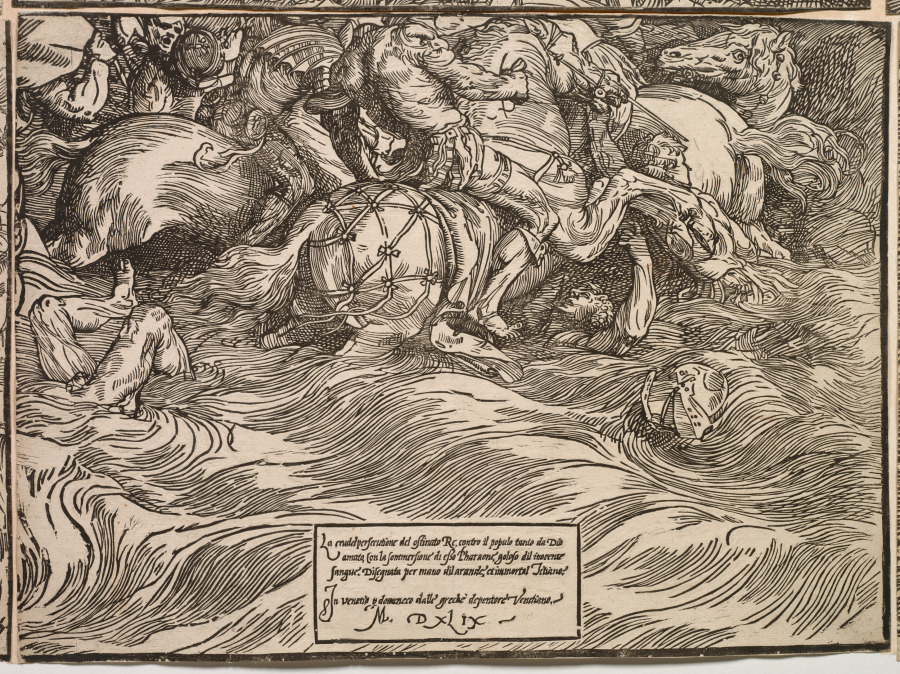 The Submersion of Pharaoh's Army in the Red SeaTitian · 1514–15, printed 1549
 The Submersion of Pharaoh's Army in the Red SeaTitian · 1514–15, printed 1549