Daniel Hubbard
Guide
Adjust the guideNew to it · Medium
Looking for this guide.
From the museum
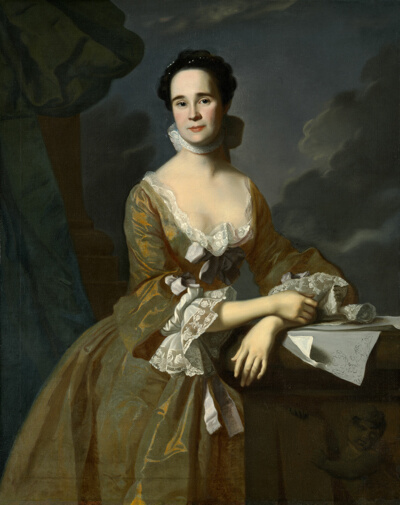
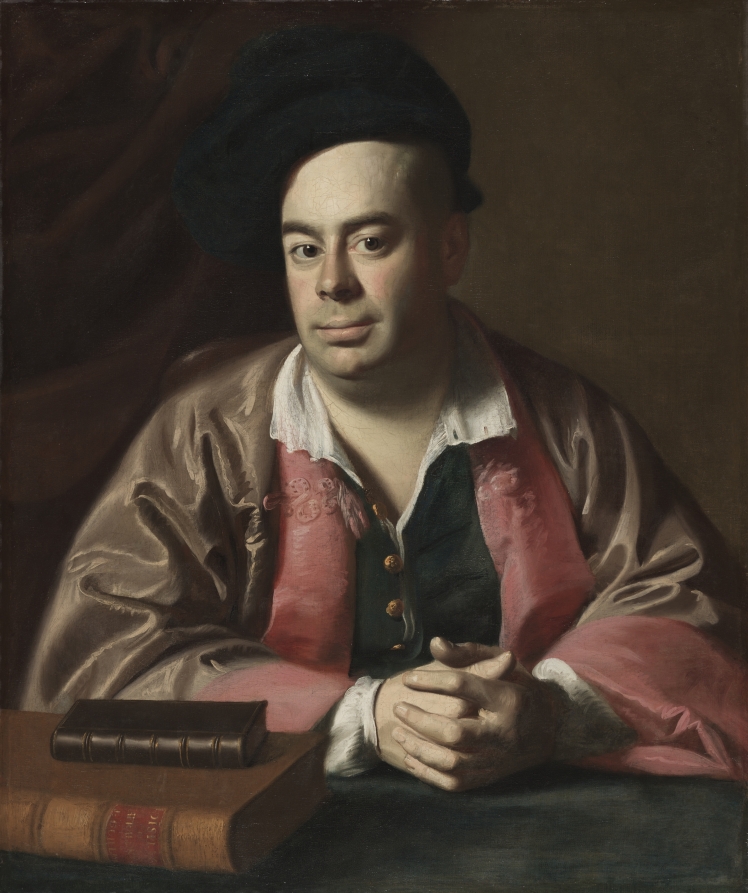
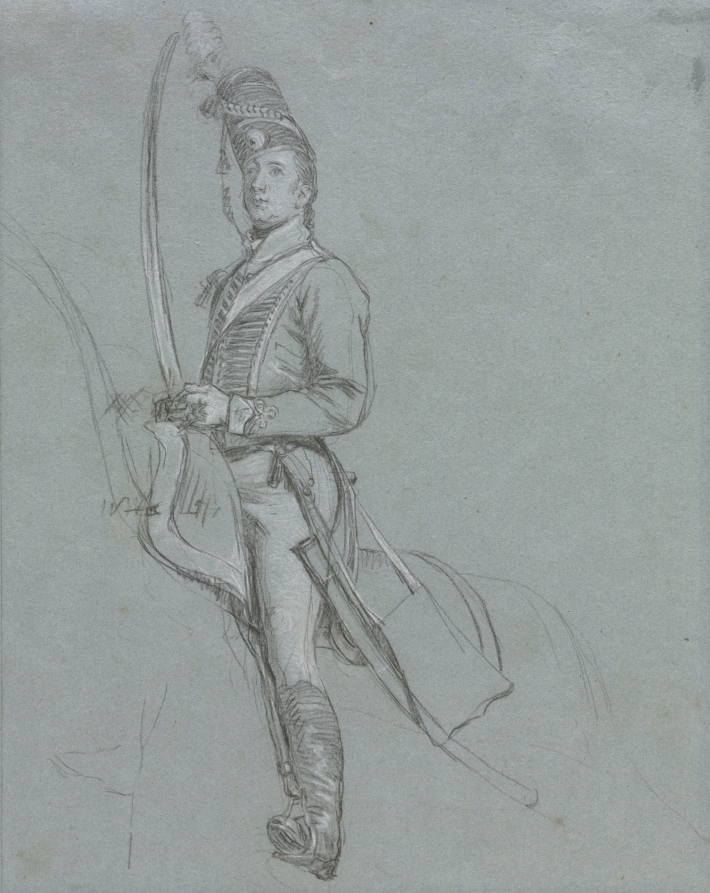
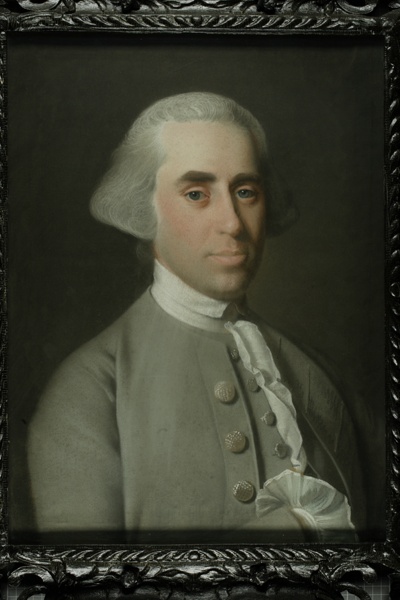
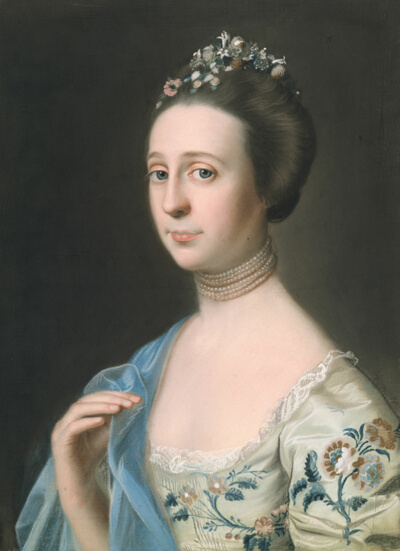
Between 1753 and 1774, John Singleton Copley painted 350 portraits, primarily of Bostonians. He was largely self-taught, his only formal training from his stepfather Peter Pelham, an English artist who specialized in mezzotint engraving. Pelham encouraged Copley to produce his own mezzotints and to learn to draw by copying English prints. By the time Daniel Hubbard (1764) and Mrs. Daniel Hubbard (Mary Greene) (c. 1764; 1947.28) were produced, the artist had established a popular portrait style featuring individualized faces and luxurious fabrics. A decade later, Copley left colonial Massachusetts for England to further his career and simultaneously escape the strong political divides among family, friends, and patrons amid the impending Revolution.
The museum’s own description, in English. Licence: CC BY 4.0
What did you think?
Save this work’s image and museum information on this device to read without a connection.
Ask about this work
Ask in your own words. The answer comes from what the museum has written about the work, and says so when that does not hold it.
Details
- Maker
- John Singleton Copley (American, 1738–1815)
- Date
- 1764
- Medium
- Oil on canvas
- Dimensions
- 127.2 × 100.8 cm (50 1/8 × 39 11/16 in.)
- Place of origin
- England
- Held by
- Art Institute of Chicago, Chicago · Not on view
- Credit line
- Art Institute of Chicago Purchase Fund
Image: Art Institute of Chicago, CC0