
Just a moment
Just a moment
Louis Haghe · 1847 · Cleveland Museum of Art
A closer look, connecting key details with the work’s background.
Looking for this guide.
By the mid-19th century, the complexities of printing in numerous colors had been mastered, culminating in one of the high points of European printmaking. The plates drawn by Haghe, which copy the watercolors that David Roberts made in Egypt, are exquisite examples of color lithography. Egypt was a distant, mysterious country for Europeans and Haghe, a Scottish topographical and architectural artist who spent the year of 1838 traveling across this ancient land. The resulting prints—the first comprehensive series of views of the monuments, landscapes, and people of the Near East—were especially appreciated for their brilliant color and large scale. Collector John Bonebrake’s 134 prints of Egypt are an important addition to the Cleveland Museum of Art’s collection, and in a sense they have returned home: a large group of them was loaned to the 1992 exhibition Nineteenth-Century Views of Egypt.
The museum’s own description, in English. Licence: CC0
Save this work’s image and museum information on this device to read without a connection.
Ask in your own words. The answer comes from what the museum has written about the work, and says so when that does not hold it.
Image: Cleveland Museum of Art, CC0
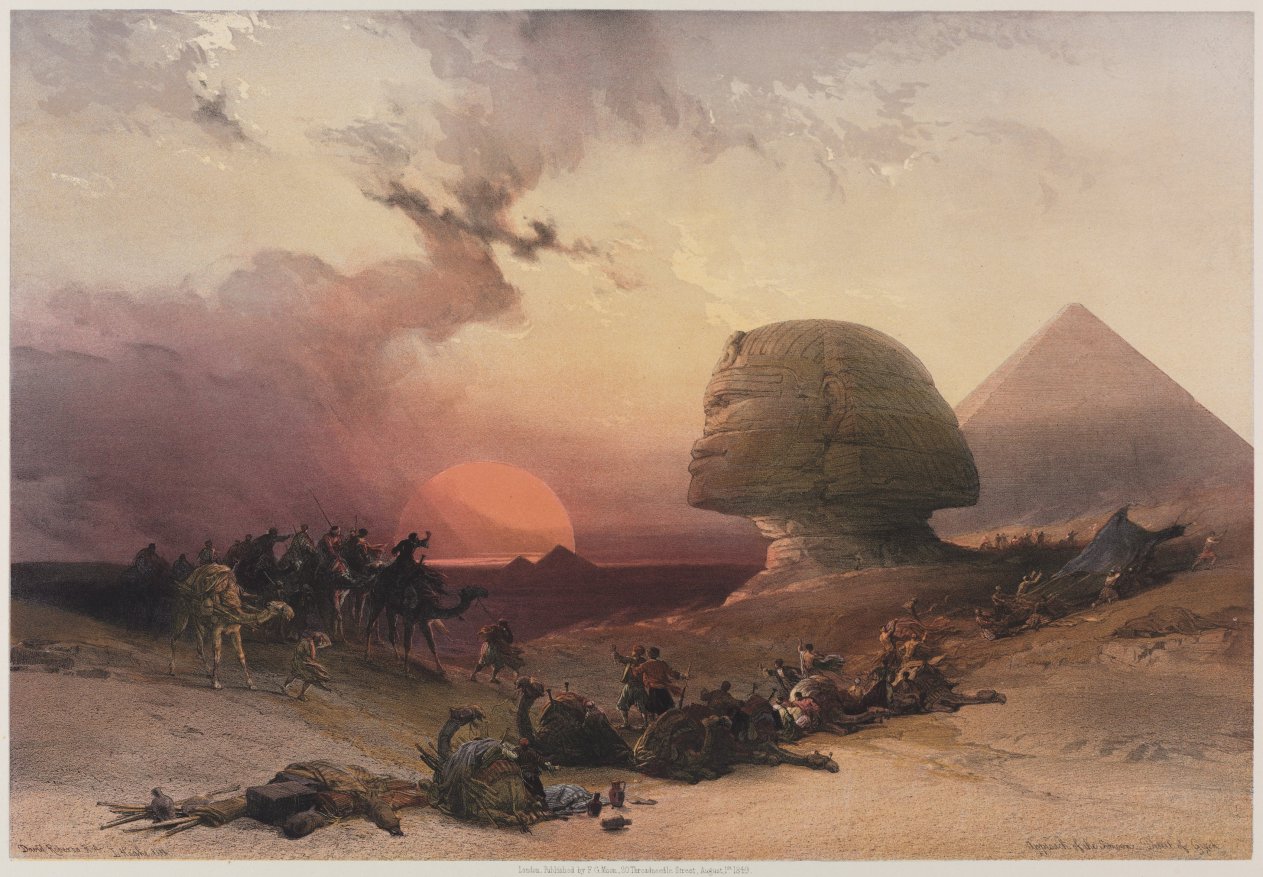 Egypt and Nubia, Volume III: Approach of the Simoon-Desert at GizehLouis Haghe · 1849
 Egypt and Nubia, Volume II: Entrance to the Tombs of the Kings of Thebes, Bab-El-MaloukLouis Haghe · 1848
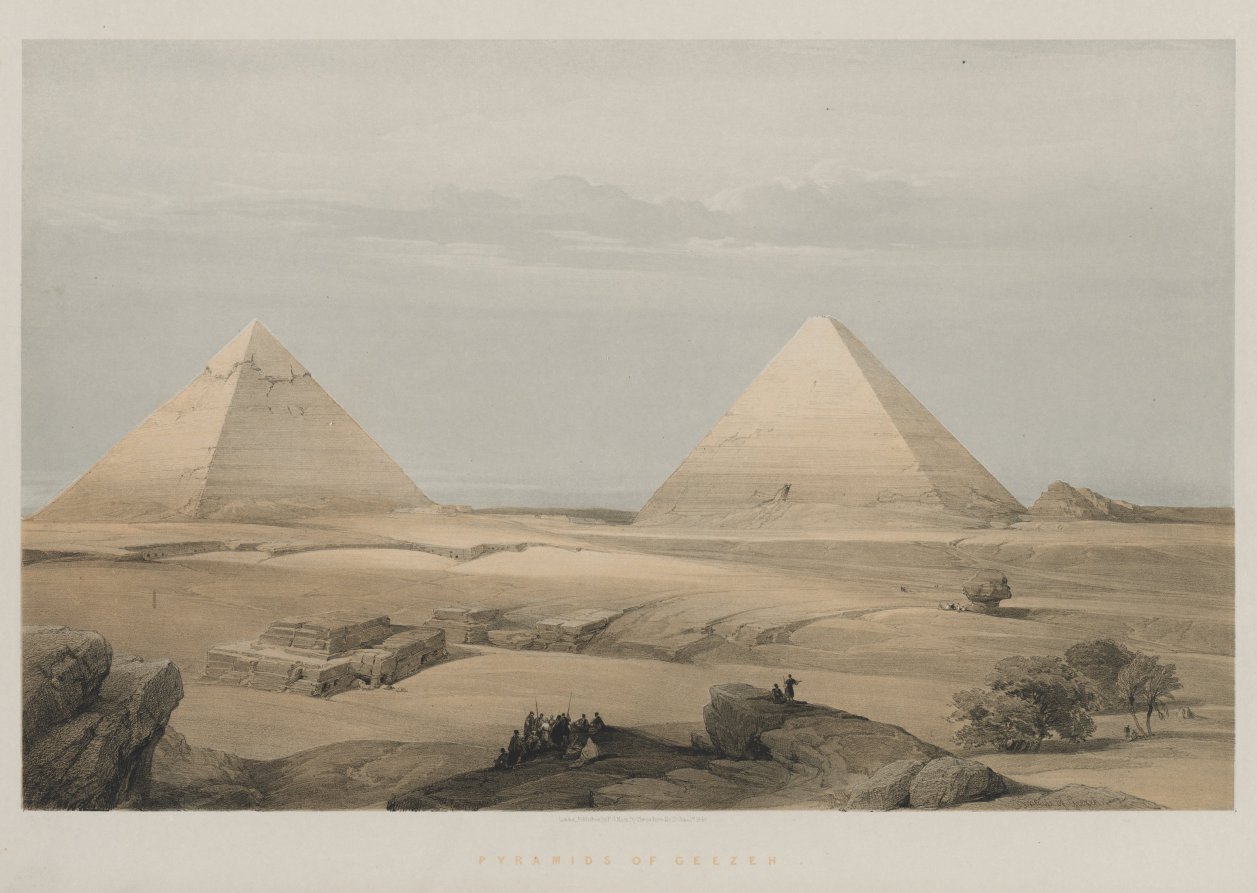 Egypt and Nubia, Volume II: Pyramids of GeezehLouis Haghe · 1848
 Egypt and Nubia, Volume II: Statues of Memnon at Thebes, during the InundationLouis Haghe · 1848
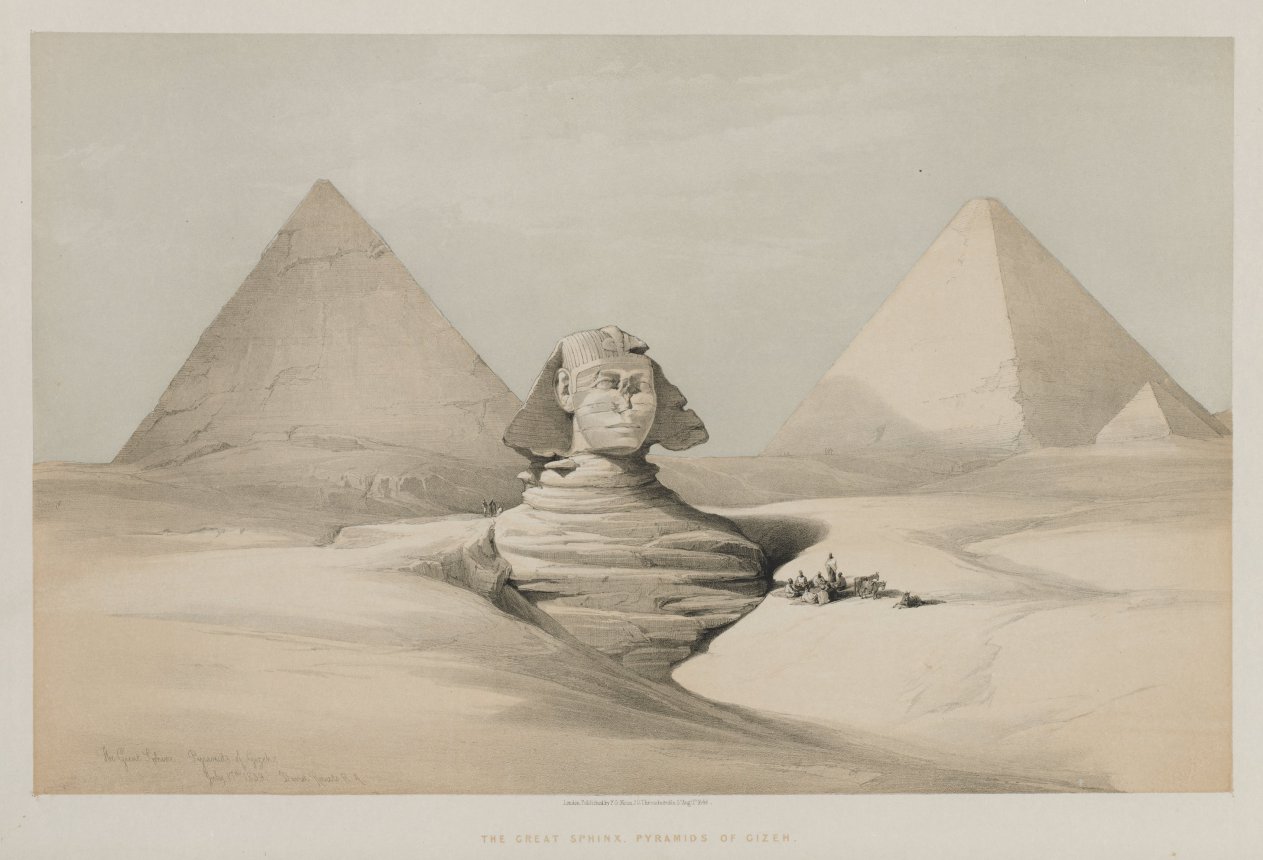 Egypt and Nubia, Volume I: The Great Sphinx, Pyramids of GezeehLouis Haghe · 1846
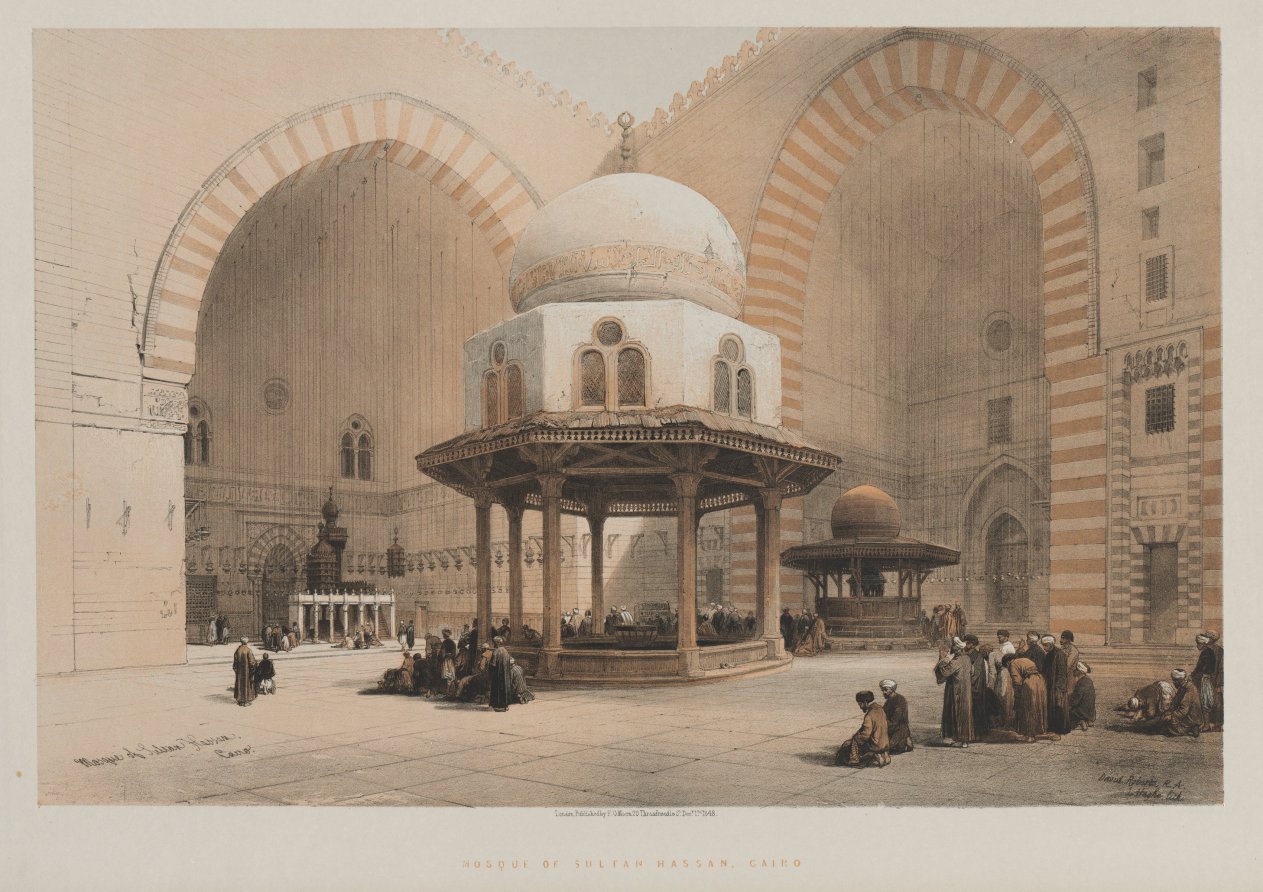 Egypt & Nubia, Volume III, No. 8: Mosque of Sultan Hassan, CairoLouis Haghe · 1842–49
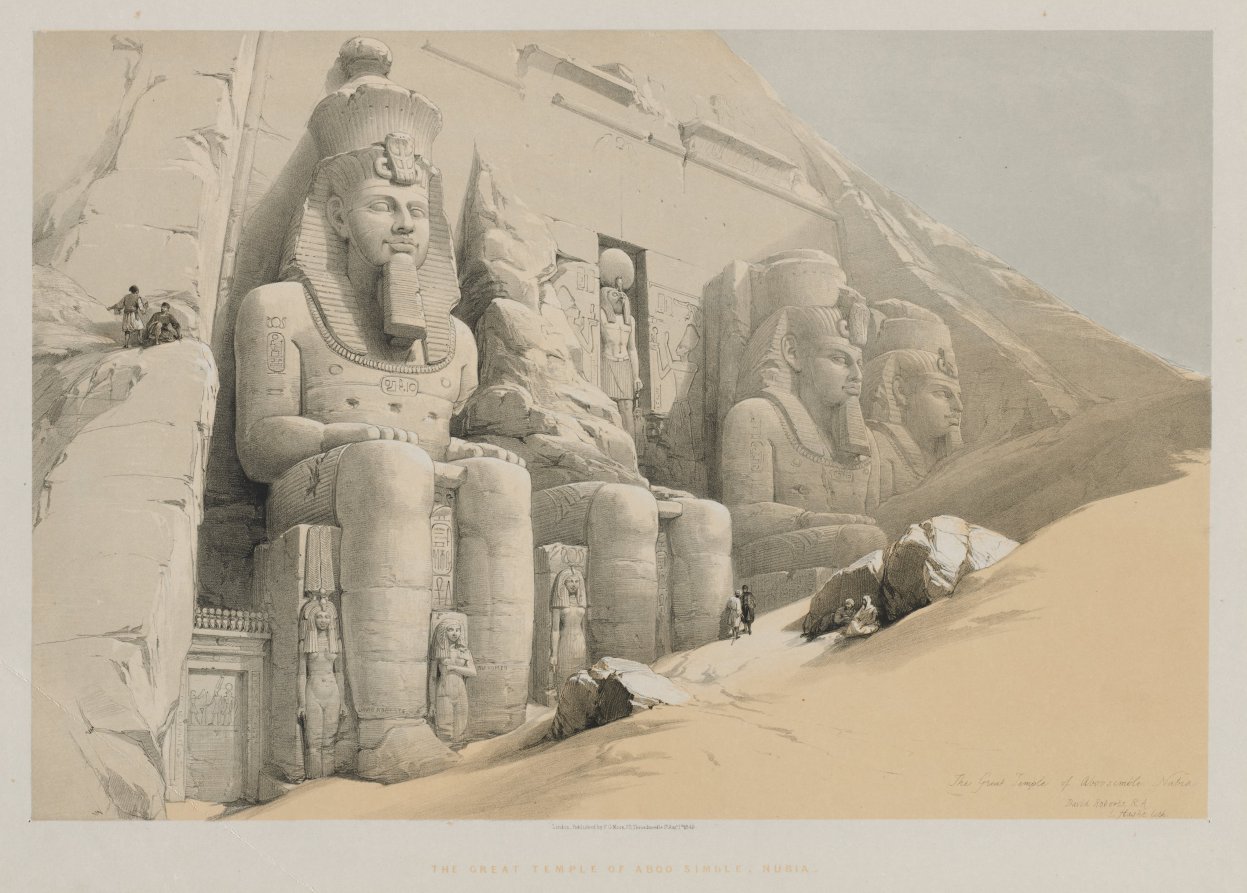 Egypt and Nubia, Volume I: The Great Temple of Aboo-Simble, NubiaLouis Haghe · 1846
 Egypt and Nubia, Volume III, No. 26, Cairo, Looking WestLouis Haghe · 1848