
Just a moment
Just a moment
Peter Paul Rubens · c. 1615 · Art Institute of Chicago
A closer look, connecting key details with the work’s background.
This is an oil painting on a wooden panel, a little over a metre tall, painted by Peter Paul Rubens around 1615. It shows the Holy Family, the family of Jesus, together with Mary's elderly cousin Elizabeth and her son, John the Baptist. The figures are full, fleshy and solid, and they fill the picture closely. The infant Jesus sits cuddled on the lap of his mother, Mary. Red is one of the colours that stands out in the clothing. At first glance it feels less like a holy scene and more like an ordinary family at home.
Start with Mary and the baby on her lap. Her breast is exposed, a reminder that Jesus, though the child of God, needed to be fed and cared for like any baby. Next, find Joseph, Mary's husband. He is busy tending a lamb, which stands for Jesus's eventual self-sacrifice. Then look at Elizabeth and the young John. They gaze on in wonder. Notice that nobody has a halo, the golden ring that usually marks a holy person, and that nobody looks out at you. Follow the glances from face to face and they lead back to Mary.
Rubens worked in Antwerp, in present-day Belgium, and his style dominated the city's art for much of the 1600s. He had seen the work of Michelangelo and Raphael in Italy, and their powerful, monumental forms inspired his own. This painting was an early success for the young, ambitious artist. He was also a shrewd businessman. He directed assistants to paint several variants of this composition, and he commissioned engravings after it, meaning printed copies made from cut metal plates, so that the image could spread far beyond a single owner.
Rubens took a sacred subject and put it into everyday language. By leaving out halos and dressing everyone in the clothes of his own time, he made the story feel close and human. Yet the figures keep a dignity, and he achieved a balance of emotional tenderness and moral strength in each one. Take a little more time with the circle of glances between the figures. Each look passes on to the next, and together they quietly draw your own eye back to Mary and her child.
This guide was written by AI from material published by Art Institute of Chicago. Licence: CC BY 4.0
Save this version (English · New to it · Medium) with all its audio, guide text and work image. It replaces the saved guide for this work and language.
Audio storage: about 40 MB per guide and 150 MB on this device. Audio expires 7 days after it is downloaded.
Save this work’s image and museum information on this device to read without a connection.
Ask in your own words. The answer comes from what the museum has written about the work, and says so when that does not hold it.
Image: Art Institute of Chicago, CC0
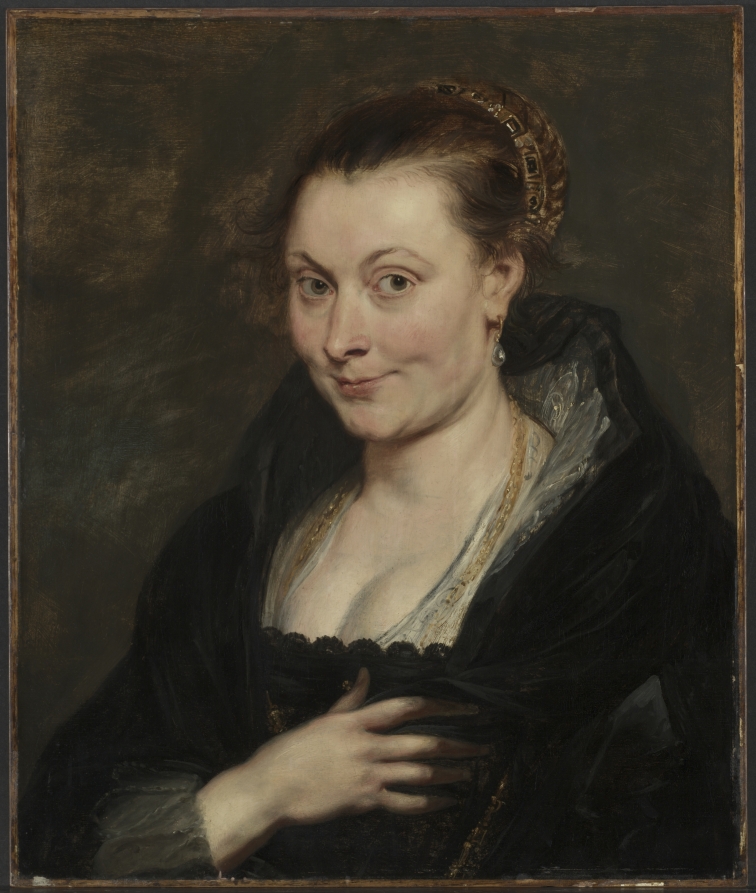 Portrait of Isabella BrantPeter Paul Rubens · c. 1620–25
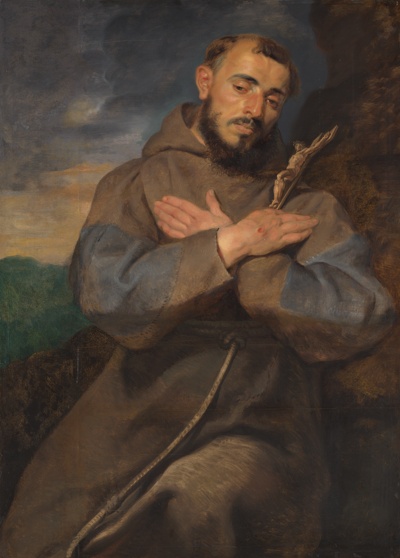 Saint FrancisPeter Paul Rubens · c. 1615
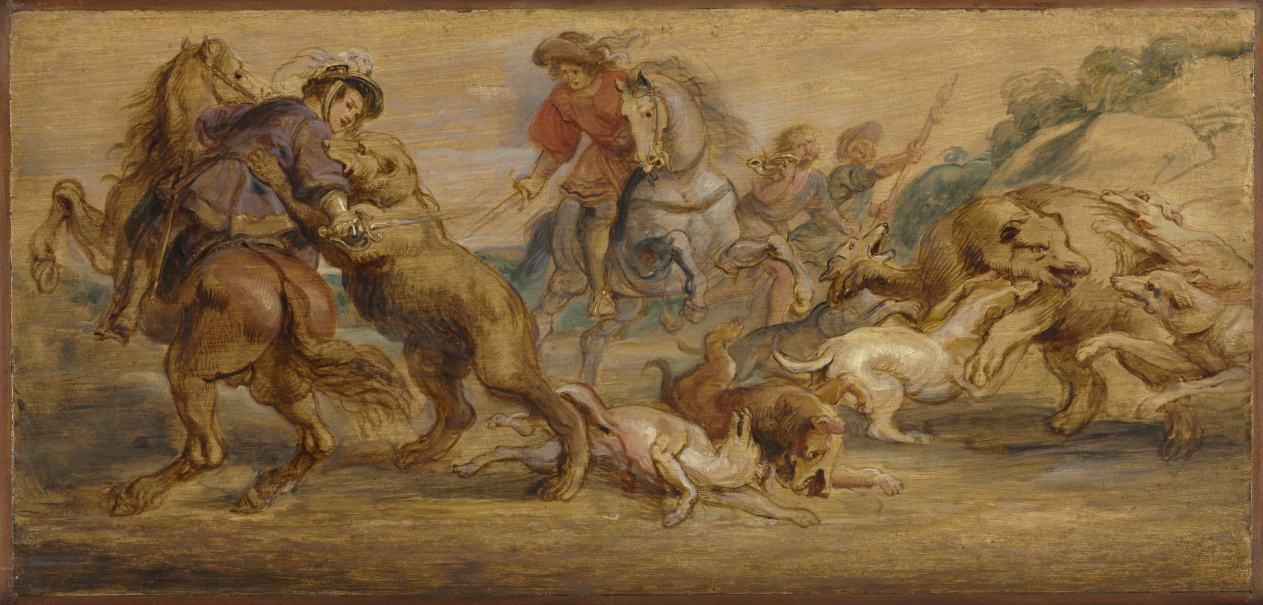 Study for "The Bear Hunt" (for the Alcázar, Madrid)Peter Paul Rubens · c. 1639
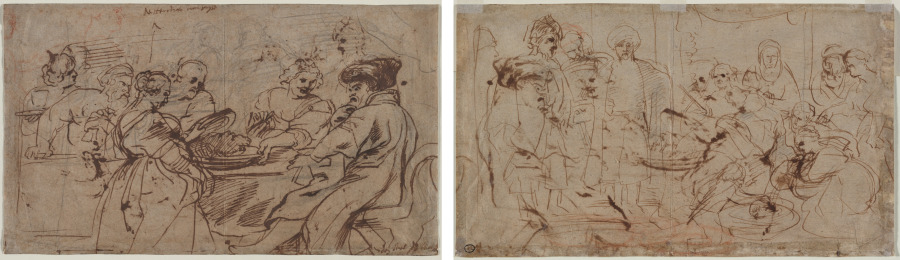 The Feast of Herod (recto); Tomyris with the Head of Cyrus (verso)Peter Paul Rubens · c. 1637–38
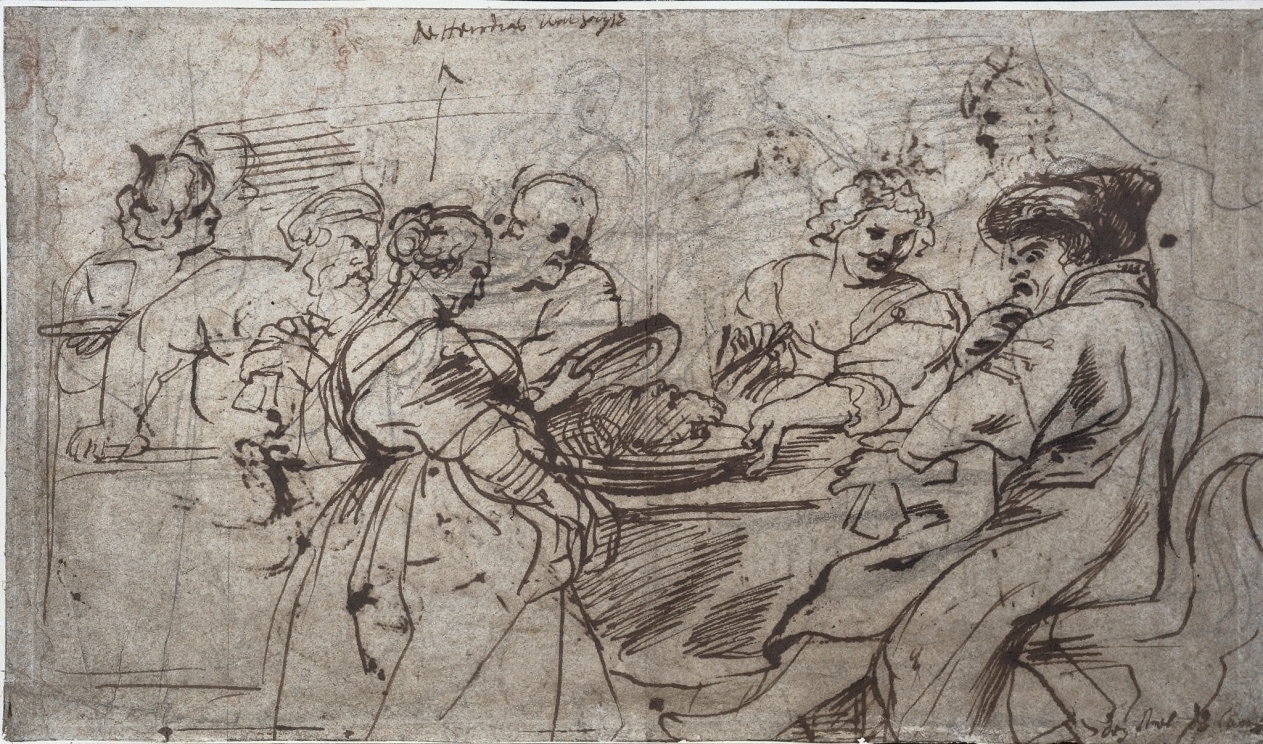 The Feast of Herod (recto)Peter Paul Rubens · c. 1637–38
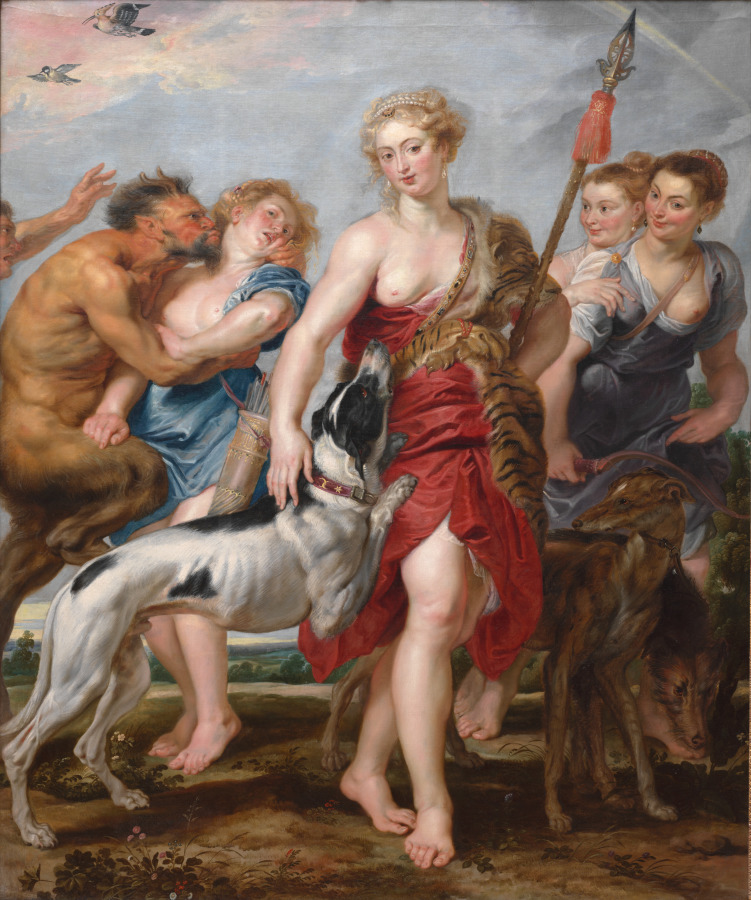 Diana and Her Nymphs Departing for the HuntPeter Paul Rubens · c. 1615
 The Wedding of Peleus and ThetisPeter Paul Rubens · 1636
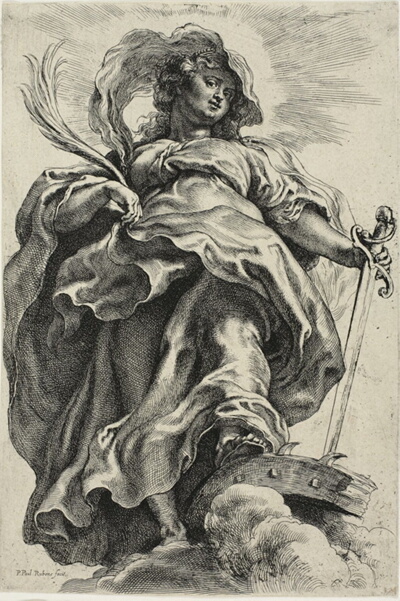 Saint Catherine of AlexandriaPeter Paul Rubens · 1620/21