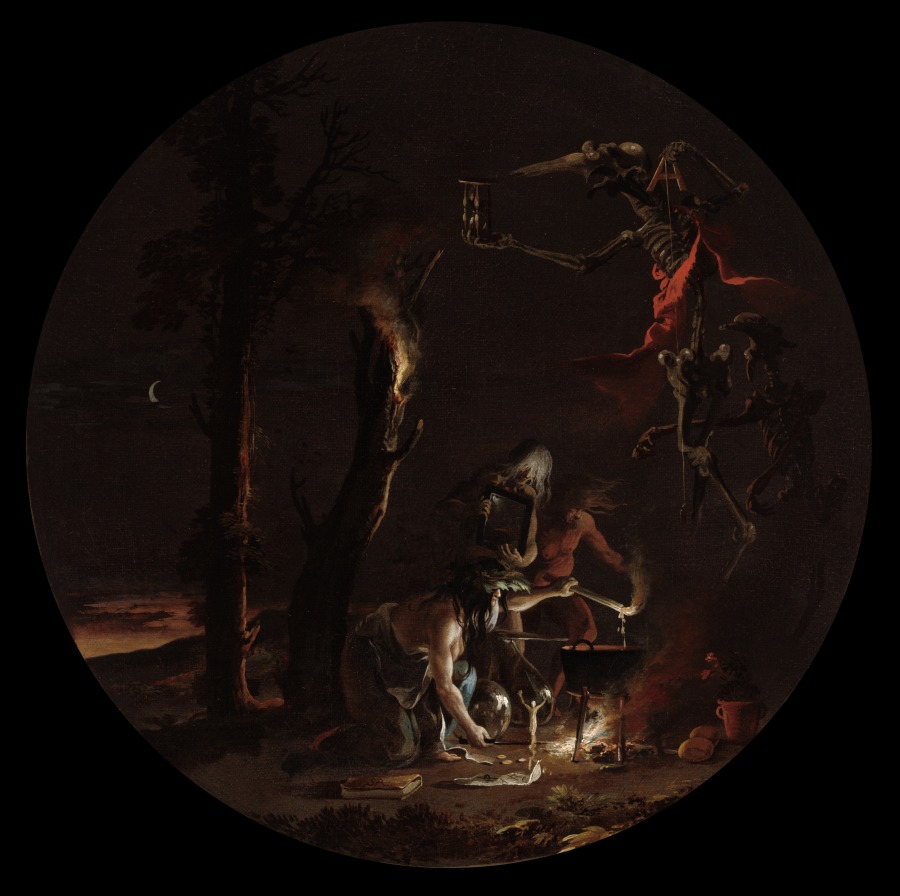
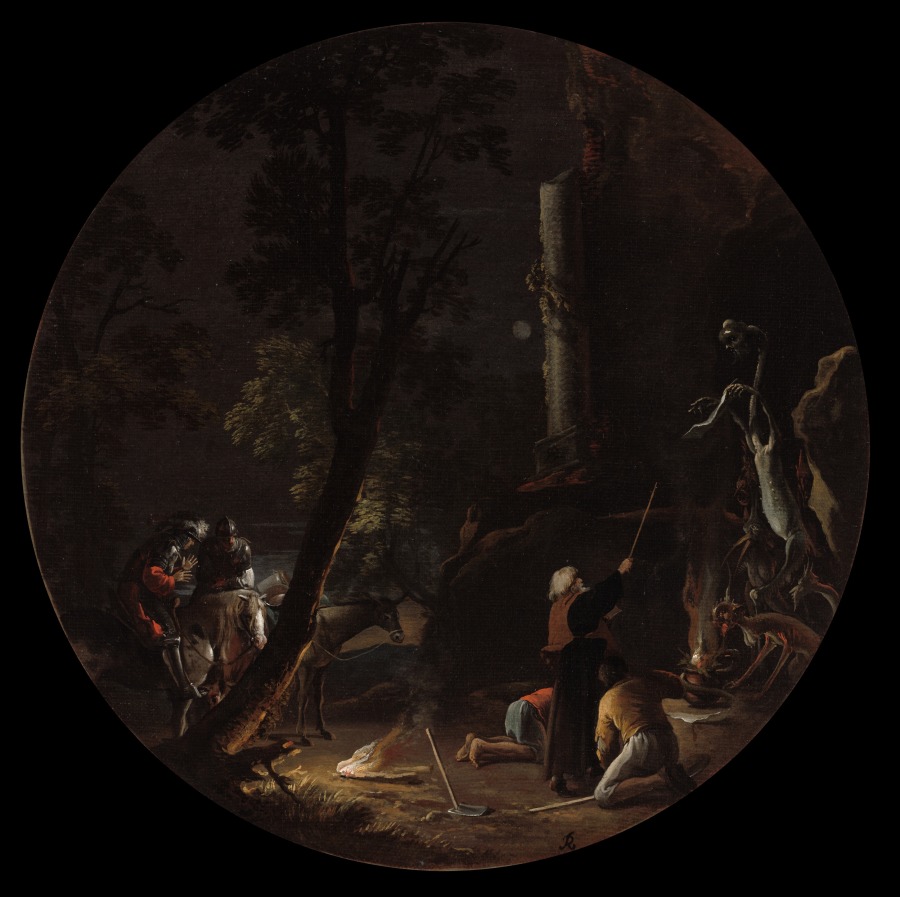
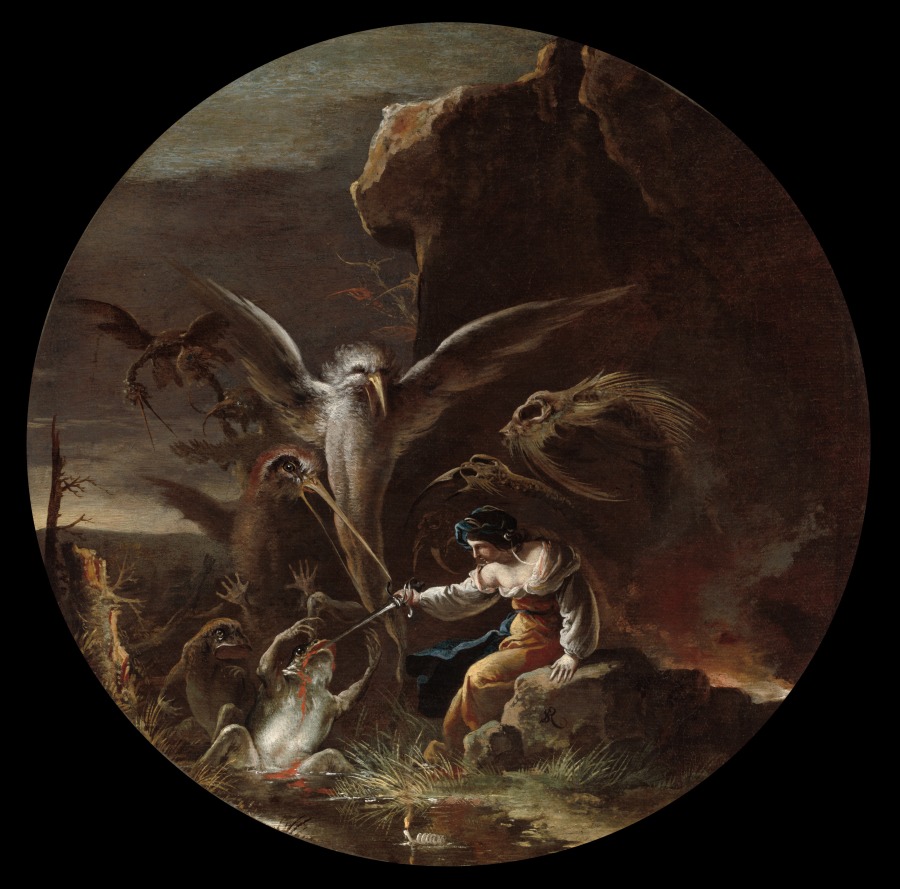
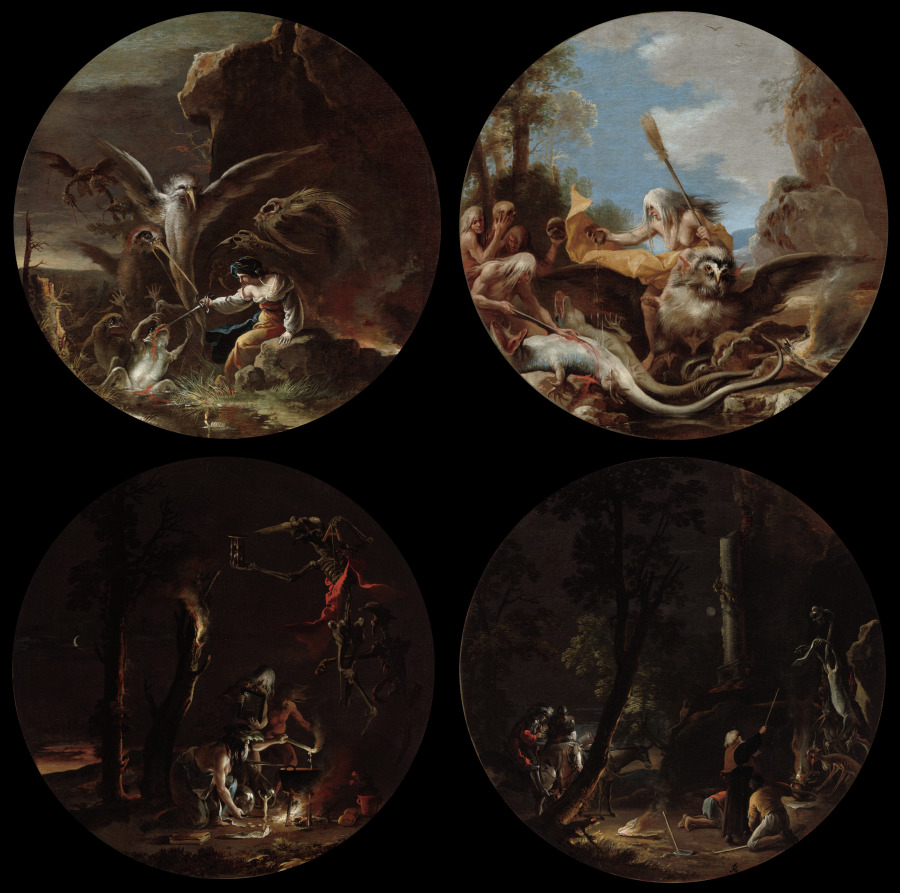
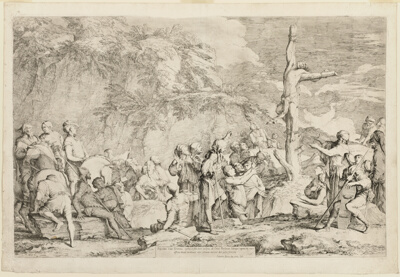
Ceres and Phytalus
Salvator Rosa · c. 1662 · Instituto de Arte de Chicago
Guía
Ajustar la guíaPrincipiante · Media
Nadie ha escuchado todavía esta guía. Prepararla lleva unos veinte segundos y, después, cualquiera podrá escucharla al momento.
Texto del museo
Salvator Rosa produced 17 large etchings in the early 1660s, frequently adopting mythological lore peppered with classical literature. Ceres and Phytalus deliciously celebrates the fig, of which Rosa was particularly fond. Phytalus, a king of Attica, is said to have given the goddess Ceres shelter on her journey to find her daughter Proserpina, whom Pluto had abducted into the underworld. Rosa’s inscription reads, “Here the hero Phytalus had received Ceres into his house, on whom she first bestowed the seeds of the sacred fruit which mortals call the FIG.” This honeyed crop subsequently became a staple of Mediterranean cuisine.
Descripción original del museo, en inglés. Licencia: CC BY 4.0
¿Qué te ha parecido?
Guarda la imagen y la información del museo en este dispositivo para leerlas sin conexión.
Pregunta sobre esta obra
Pregunta con tus propias palabras. La respuesta sale de lo que el museo ha escrito sobre la obra, y lo dice cuando ahí no está.
Detalles
- Autor
- Salvator Rosa, Italian, 1615-1673
- Fecha
- c. 1662
- Técnica
- Etching with drypoint in black on ivory laid paper
- Dimensiones
- Image/plate: 35.2 × 23.6 cm (13 7/8 × 9 5/16 in.); Sheet: 46.4 × 33.6 cm (18 5/16 × 13 1/4 in.)
- Lugar de origen
- Italy
- Colección
- Instituto de Arte de Chicago, Chicago · No expuesta
- Procedencia
- Gift of Pia Gallo in honor of Martha Tedeschi
Imagen: Art Institute of Chicago, CC0