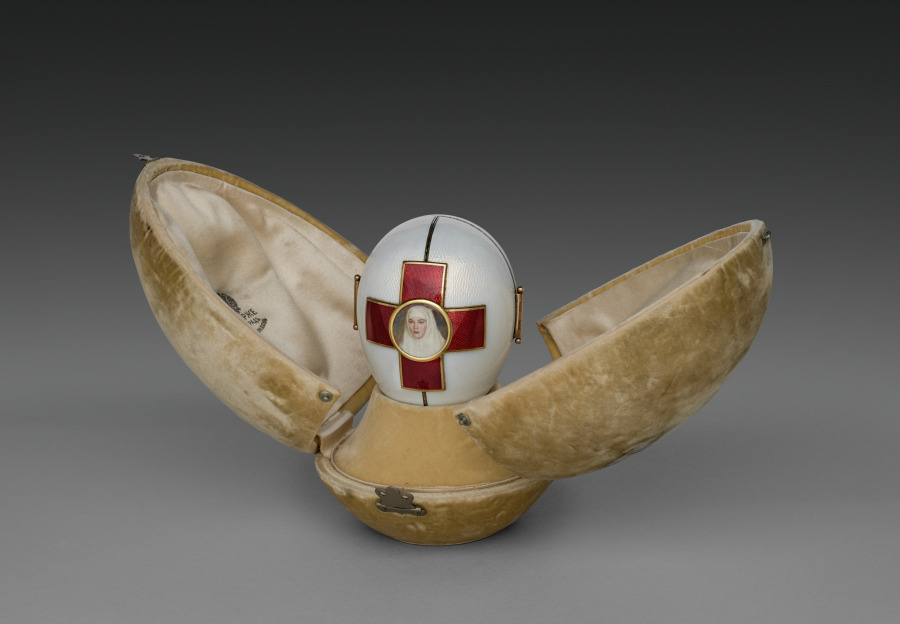
Imperial Red Cross Easter Egg
¿Qué te ha parecido?
Guía
Ajustar la guíaPrincipiante · Media
Nadie ha escuchado todavía esta guía. Prepararla lleva unos veinte segundos y, después, cualquiera podrá escucharla al momento.
Texto del museo
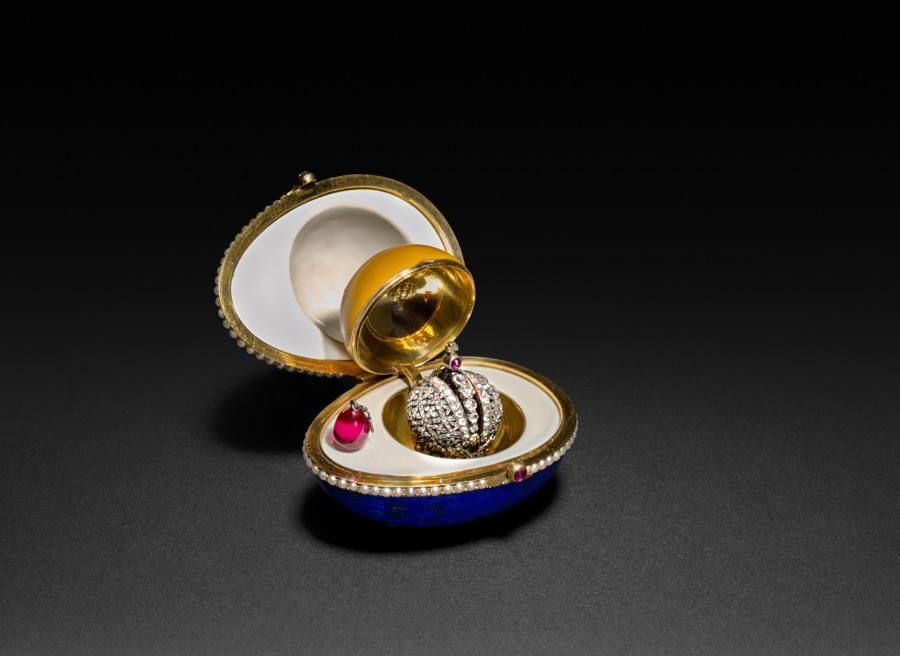
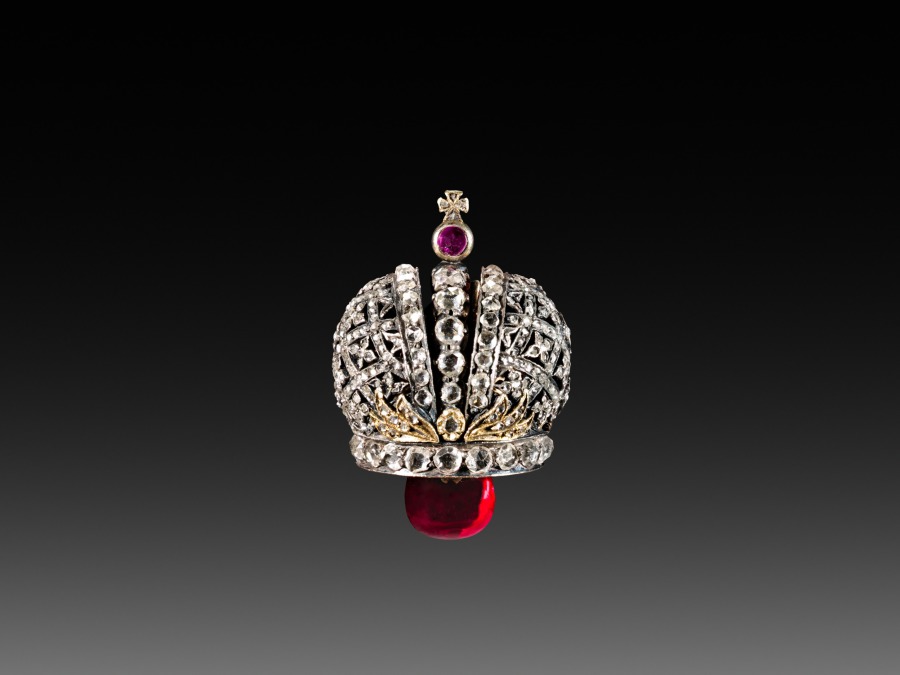
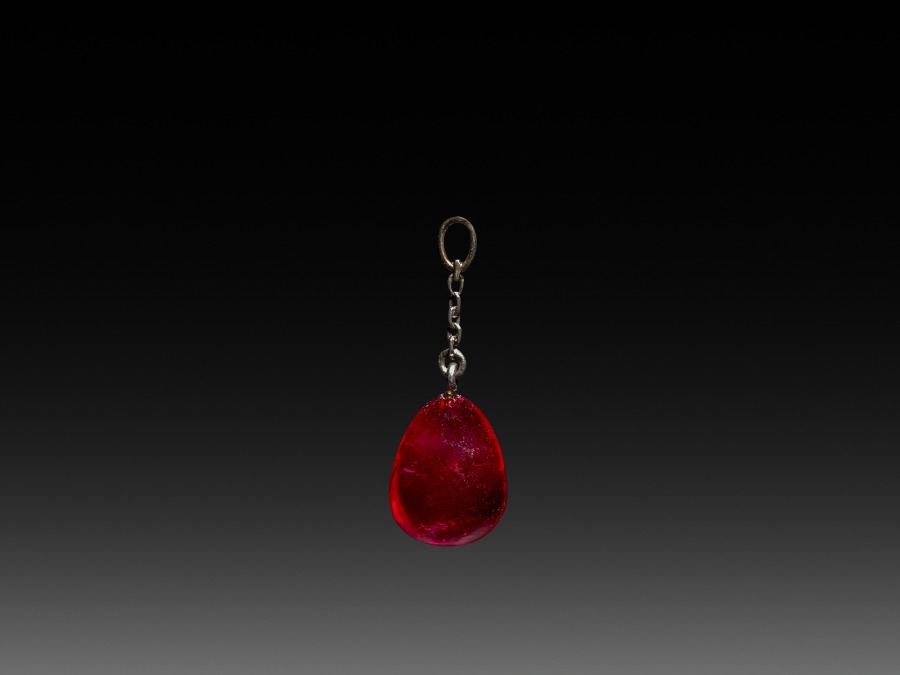
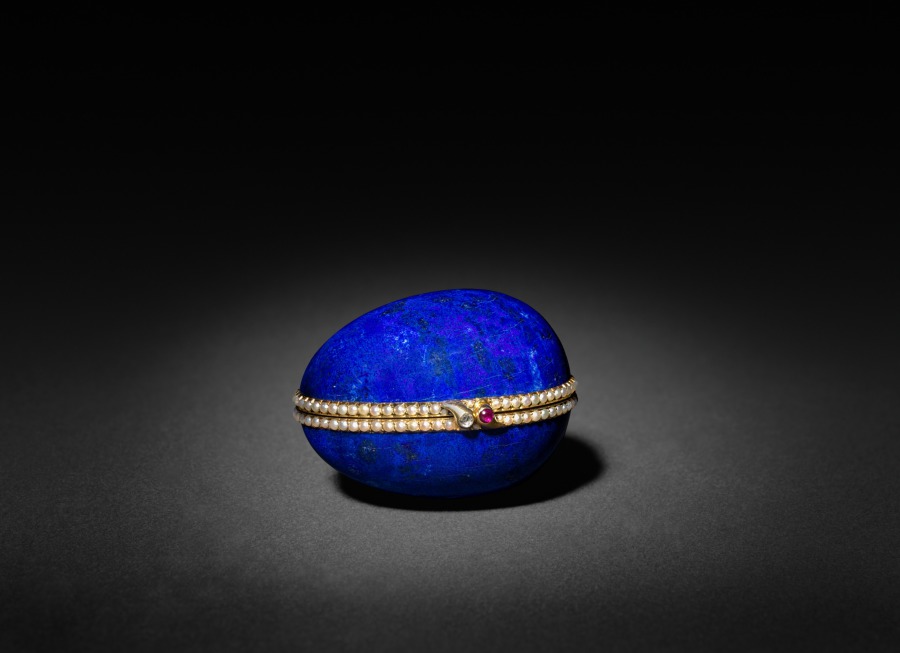
The House of Fabergé made two imperial Easter eggs in 1915 that honored the contributions of Tsarina Alexandra and her two eldest daughters, Olga and Tatiana, to the war effort as Red Cross Sisters of Mercy. Compared to other Fabergé eggs elaborately ornamented with jewels, the eggs reflected the mood of austerity in Russia during World War I. This version becomes an icon when opened, revealing miniatures of the patron saints of the tsarina’s daughters. After the Russian Revolution, this relic of the Tsarist past was sold by the Soviet government to raise needed cash for the treasury. This egg was confiscated by the Bolsheviks during the Russian Revolution and sold by the government of Josef Stalin in the 1930s to raise money for the Soviet treasury.
Pregunta sobre esta obra
Pregunta con tus propias palabras. La respuesta sale de lo que el museo ha escrito sobre la obra, y lo dice cuando ahí no está.
Detalles
- Autor
- Peter Carl Fabergé (Russian, 1846–1920), Henrik Wigström (Russian, 1862–1923), House of Fabergé (Russian, 1842–1918)
- Fecha
- 1915
- Técnica
- gold, silver gilt, enamel, glass, ivory
- Dimensiones
- Overall: 8.6 x 6.4 cm (3 3/8 x 2 1/2 in.)
- Lugar de origen
- Russia
- Colección
- Museo de Arte de Cleveland, Cleveland · En sala · 211 Fabergé
- Procedencia
- The India Early Minshall Collection
Imagen: Cleveland Museum of Art, CC0