Un momento, por favor
Un momento, por favor
Una mirada más cercana que conecta los detalles principales con el contexto de la obra.
Buscando esta guía.
The freewheeling, lascivious dancers in Goya’s composion keep time with castanets, pairs of shell-shaped wooden clappers attached to the thumb and index finger. The erotic connotations of castanets dated from antiquity, when they were depicted in vase paintings in association with the cult of the goddess Cybele and the Dionysian rites. According to Martin Mersenne’s treatise, Les Preludes de l’harmonie universelle (1636), castanets were used to accompany the saraband, a fast folk dance considered disreputable in 16th-century Spain. Although by the time the saraband reached the French court in the 17th century, it had become a slow, serious, processional dance, Goya refers here to the dance’s earlier, erotic origins.
Descripción original del museo, en inglés. Licencia: CC0
Guarda la imagen y la información del museo en este dispositivo para leerlas sin conexión.
Pregunta con tus propias palabras. La respuesta sale de lo que el museo ha escrito sobre la obra, y lo dice cuando ahí no está.
Imagen: Cleveland Museum of Art, CC0
 Young Woman (possibly a Sex Worker) with a Man (recto); Young Woman Wringing Her Hands over a Man's Naked Body (verso)Francisco de Goya · 1796–97
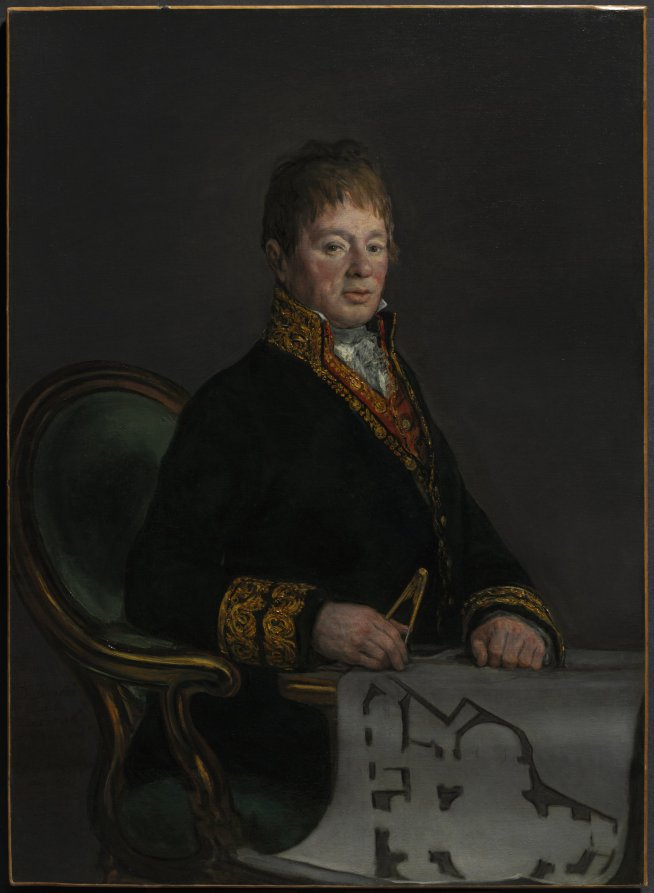 Portrait of Don Juan Antonio CuervoFrancisco de Goya · 1819
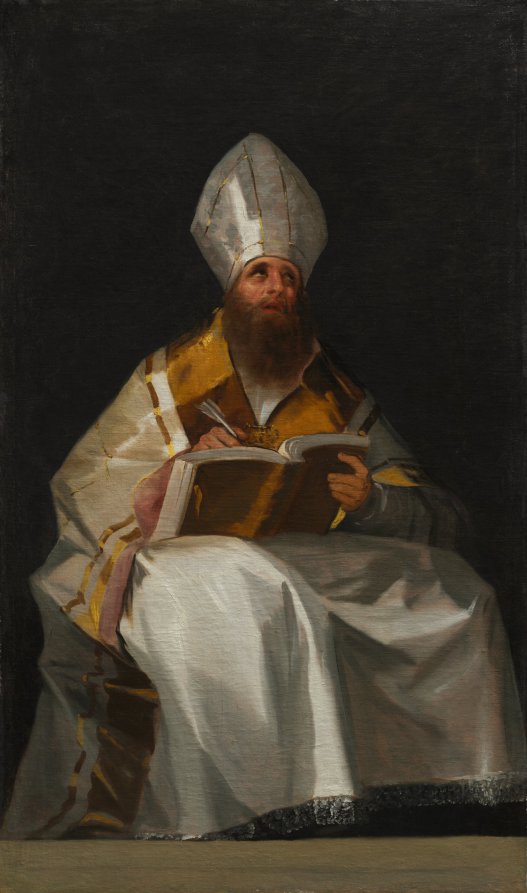 Saint AmbroseFrancisco de Goya · c. 1796–99
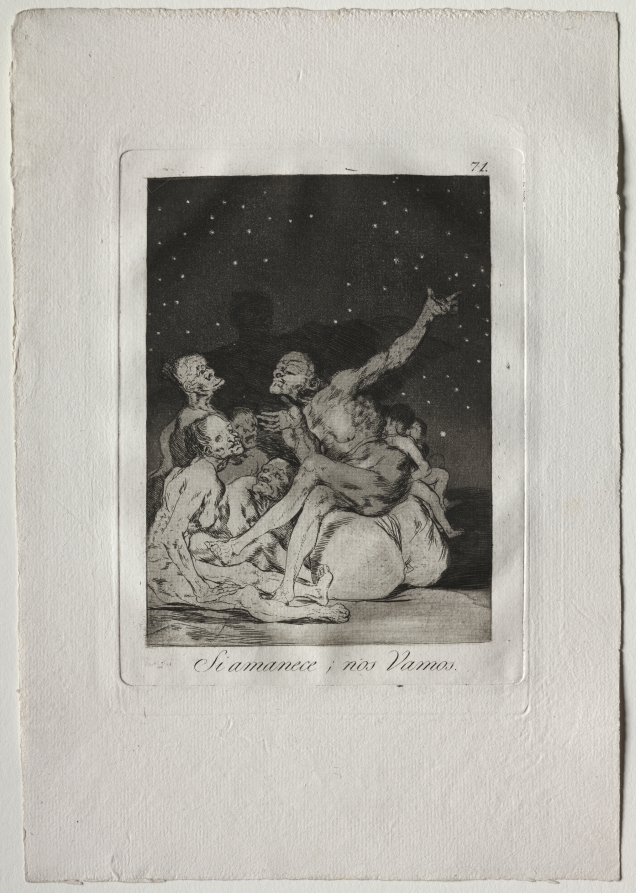 When Day Breaks We Will Be Off, Plate 71Francisco de Goya · 1799