잠시만 기다려 주세요
잠시만 기다려 주세요
Peter Paul Rubens · c. 1615 · 클리블랜드 미술관
작품의 주요 특징과 배경을 연결해 살펴봐요.
가이드를 찾고 있습니다.
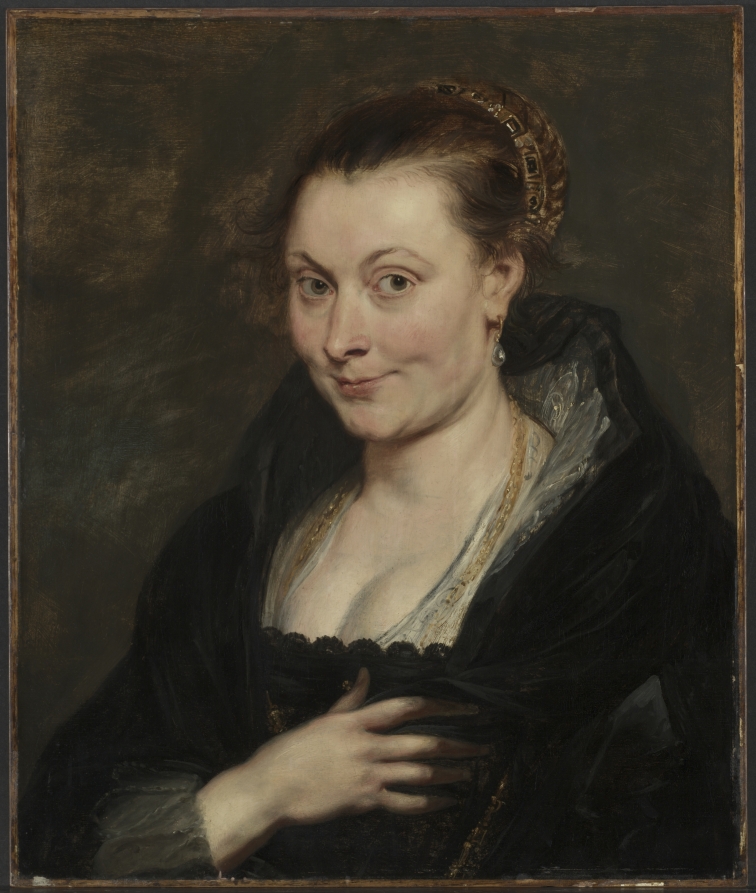
Diana, the Roman goddess of the hunt, wears a crescent on her forehead, also identifying her as the moon goddess. Diana lived apart from men, accompanied by a group of nymphs; she often represented unattainable beauty or chastity. With a nymph at left fending off a lustful satyr, Rubens refers to a struggle between vice and virtue, combining a sensual display of female bodies with a moral undertone. To bring the viewer more fully into the narrative, Rubens pulls the full-bodied figures to the front of the picture plane, and Diana steps forward, activating the space between viewer and subject. The nymph at the right has the features of Isabella Brant, the artist’s wife, and can be compared with Rubens’s portrait of her, also in the museum's collection. The moon and stars on the white and black dog’s collar indicate that both hounds are companions of Diana, accompanying the goddess on her hunts.
미술관이 쓴 설명 원문입니다(영어). 라이선스: CC0
작품 이미지와 미술관 정보를 이 기기에 저장해 인터넷 연결 없이 읽어 보세요.
궁금한 것을 내 말로 물어보세요. 미술관이 이 작품에 대해 쓴 글에서 답을 찾고, 거기에 없으면 없다고 말합니다.
이미지: Cleveland Museum of Art, CC0