잠시만 기다려 주세요
잠시만 기다려 주세요
James McNeill Whistler · 1892 · 시카고 미술관
작품의 주요 특징과 배경을 연결해 살펴봐요.
가이드를 찾고 있습니다.
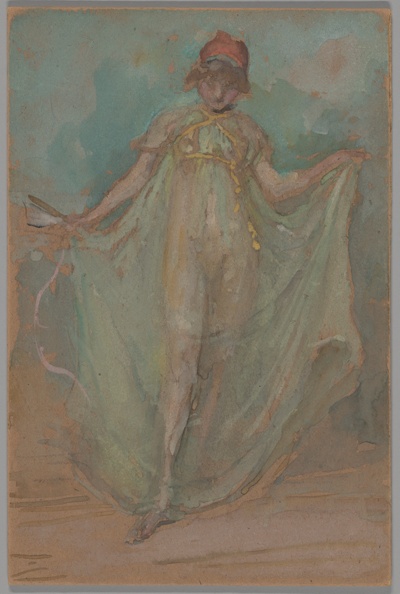
As the current exhibition Impressionism, Fashion, and Modernity demonstrates, women in the late 19th century were regularly defined by their attire. Clothing, makeup, and accessories frequently reflected not only a woman’s social status but also her character and morality. Scholar Justine De Young has observed of the period, “Dressing fashionably and in good taste thus became one of the central concerns of a bourgeois woman’s daily life, as not merely her appearance but also her reputation was at stake.” The same strict rules of public presentation did not necessarily apply, however, to the private, domestic sphere—as the images in this gallery illustrate. Shown here are women in the process of dressing or undressing; relaxing in their underclothes, nightgowns, or morning dress; or in the most private of moments: sleeping or reclining nude. Henri de Toulouse-Lautrec’s print portfolio Elles most likely depicts prostitutes during the course of the day, but these prints could easily represent the interior life of any woman, as they illustrate common boudoir behaviors: the toilette, lounging in bed, grooming, and conversing with friends. Prints by Childe Hassam, Edvard Munch, James McNeill Whistler, and Paul Gavarni show women wearing peignoirs or dressing gowns. These garments were typically worn by upper class women while they went about their regular morning activities: attending to the servants or the children, catching up on reading and correspondence, and other routine household concerns.
미술관이 쓴 설명 원문입니다(영어). 라이선스: CC BY 4.0
작품 이미지와 미술관 정보를 이 기기에 저장해 인터넷 연결 없이 읽어 보세요.
궁금한 것을 내 말로 물어보세요. 미술관이 이 작품에 대해 쓴 글에서 답을 찾고, 거기에 없으면 없다고 말합니다.
이미지: Art Institute of Chicago, CC0