잠시만 기다려 주세요
잠시만 기다려 주세요
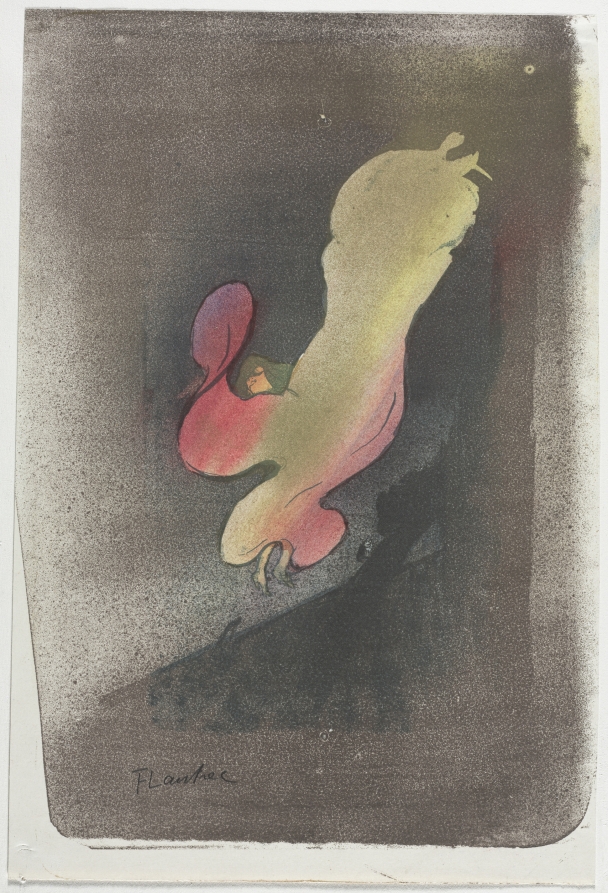
Henri de Toulouse-Lautrec · 1896 · 클리블랜드 미술관
가이드를 찾고 있습니다.
The French publisher Gustave Pellet, hoping to attract new customers, persuaded Lautrec to make a series of ten prints, plus frontispiece and cover, depicting brothels. Although it was not unusual to see prostitutes pictured in the popular press, Lautrec was the first well-known, successful artist to tackle this subject. The set was a commercial failure when it first appeared, perhaps because the scenes are not erotic. Lautrec had said that "they are women to my liking," and between 1892 and 1895 he often lived in various Parisian brothels for weeks at a time. This allowed him to witness the daily lives of the women, including the intimate acts of sleeping and bathing, and to sense their suffering. The result is that only two of the scenes show prostitutes as desirable temptresses. The remainder depict the mundane routine of the women's private world, their caring for each other, their boredom, and, living on the periphery of society, their sense of isolation. Lautrec did not take a direct moral stand. He portrayed the women sympathetically, restoring to them their humanity. One scene shows Juliette Baron, whose life of vice has led to premature aging, bringing her daughter Paulette breakfast. Other images depict the women at private moments, bathing or combing their hair in natural, relaxed poses, unaware of being observed. The beauty of the drawing and use of color makes this set one of the masterpieces of late nineteenth-century French color lithography. The top hat seen at left alludes to the presence of a male patron in this frontispiece to Henri de Toulouse-Lautrec's lithographic series about prostitution.
미술관이 쓴 설명 원문입니다(영어). 라이선스: CC0
작품 이미지와 미술관 정보를 이 기기에 저장해 인터넷 연결 없이 읽어 보세요.
궁금한 것을 내 말로 물어보세요. 미술관이 이 작품에 대해 쓴 글에서 답을 찾고, 거기에 없으면 없다고 말합니다.
이미지: Cleveland Museum of Art, CC0