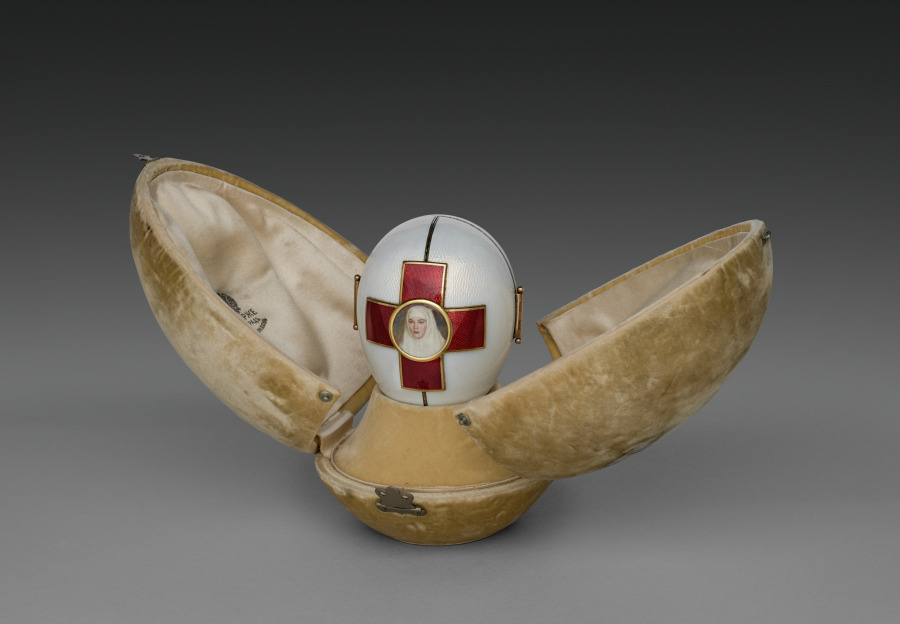
Imperial Red Cross Easter Egg
Peter Carl Fabergé · 1915 · 클리블랜드 미술관
이 작품, 어땠나요?
가이드
가이드 조절처음 · 보통
이 가이드는 아직 아무도 듣지 않았습니다. 만드는 데 20초쯤 걸리고, 그다음부터는 누구나 바로 들을 수 있습니다.
미술관의 설명
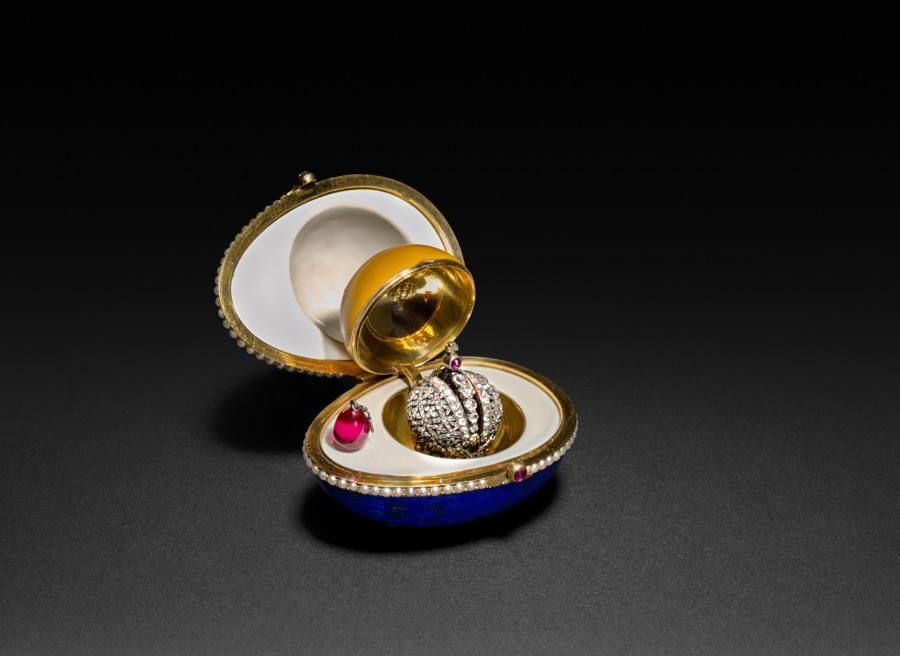
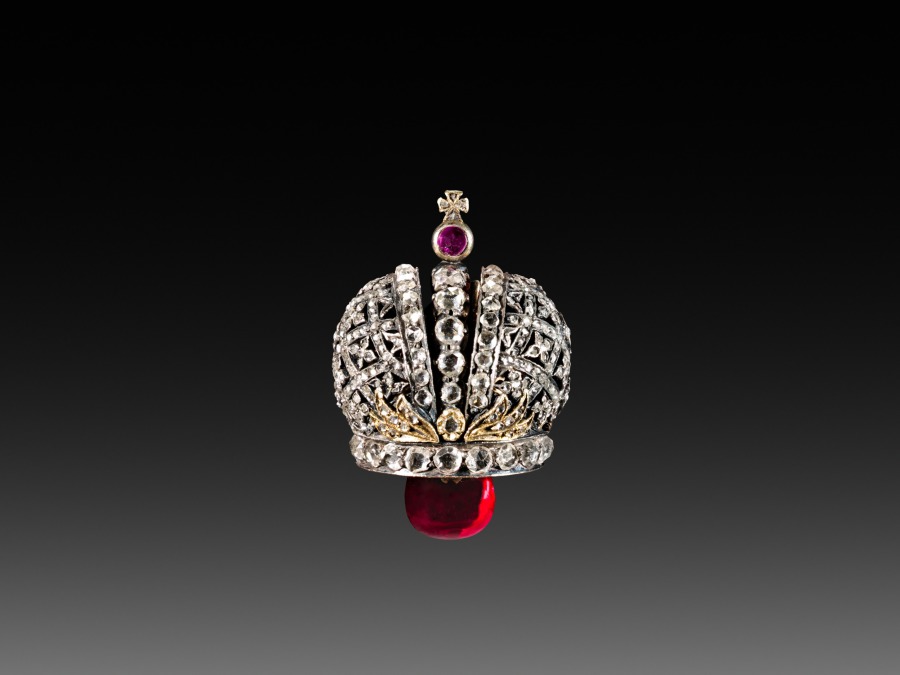
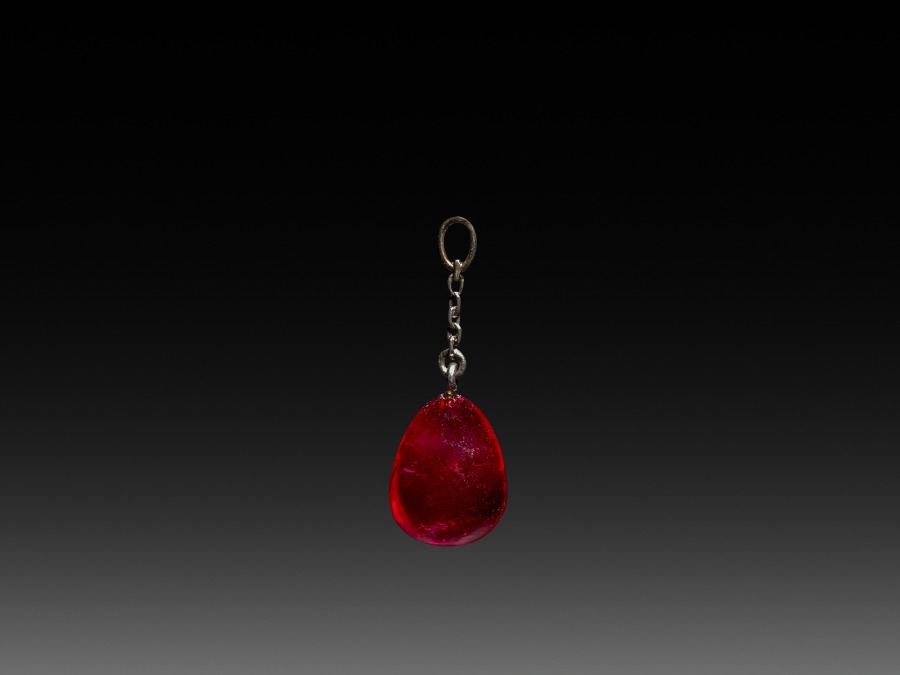
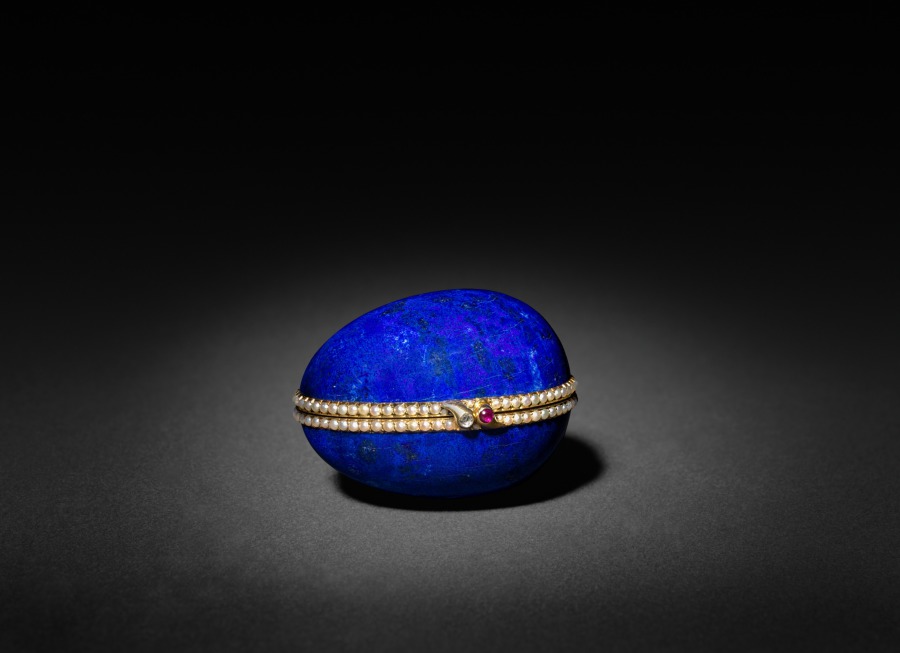
The House of Fabergé made two imperial Easter eggs in 1915 that honored the contributions of Tsarina Alexandra and her two eldest daughters, Olga and Tatiana, to the war effort as Red Cross Sisters of Mercy. Compared to other Fabergé eggs elaborately ornamented with jewels, the eggs reflected the mood of austerity in Russia during World War I. This version becomes an icon when opened, revealing miniatures of the patron saints of the tsarina’s daughters. After the Russian Revolution, this relic of the Tsarist past was sold by the Soviet government to raise needed cash for the treasury. This egg was confiscated by the Bolsheviks during the Russian Revolution and sold by the government of Josef Stalin in the 1930s to raise money for the Soviet treasury.
미술관이 쓴 설명 원문입니다(영어). 라이선스: CC0
이 작품에 대해 묻기
궁금한 것을 내 말로 물어보세요. 미술관이 이 작품에 대해 쓴 글에서 답을 찾고, 거기에 없으면 없다고 말합니다.
작품 정보
- 작가
- Peter Carl Fabergé (Russian, 1846–1920), Henrik Wigström (Russian, 1862–1923), House of Fabergé (Russian, 1842–1918)
- 제작 시기
- 1915
- 재료
- gold, silver gilt, enamel, glass, ivory
- 크기
- Overall: 8.6 x 6.4 cm (3 3/8 x 2 1/2 in.)
- 제작 지역
- Russia
- 소장처
- 클리블랜드 미술관, Cleveland · 전시 중 · 211 Fabergé
- 소장 경위
- The India Early Minshall Collection
이미지: Cleveland Museum of Art, CC0