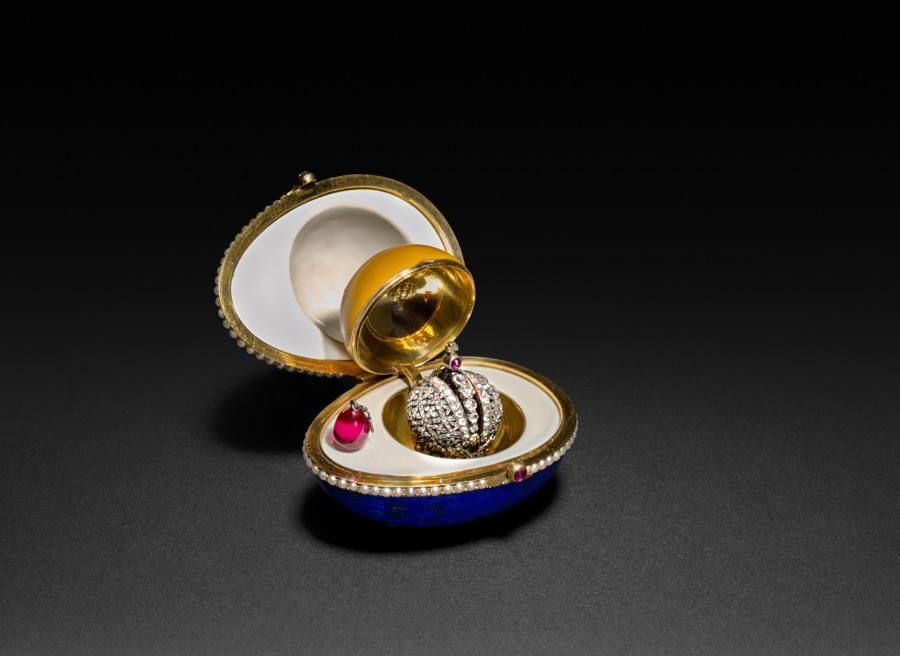
Lapis Lazuli Easter Egg
Peter Carl Fabergé · c. 1885–90 · 클리블랜드 미술관
이 작품, 어땠나요?
작품 이미지와 미술관 정보를 이 기기에 저장해 인터넷 연결 없이 읽어 보세요.
가이드
가이드 조절처음 · 보통
이 가이드는 아직 아무도 듣지 않았습니다. 만드는 데 20초쯤 걸리고, 그다음부터는 누구나 바로 들을 수 있습니다.
미술관의 설명
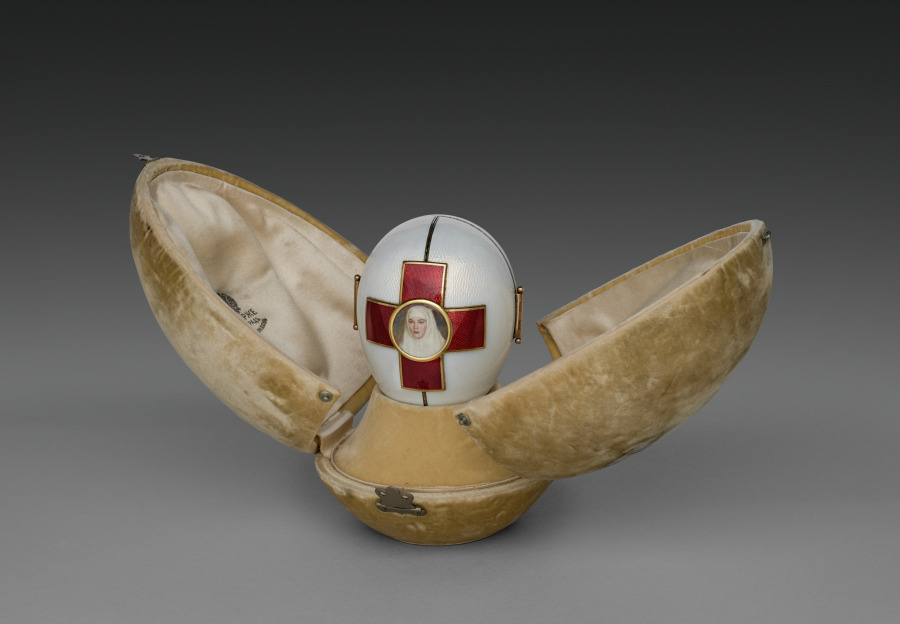
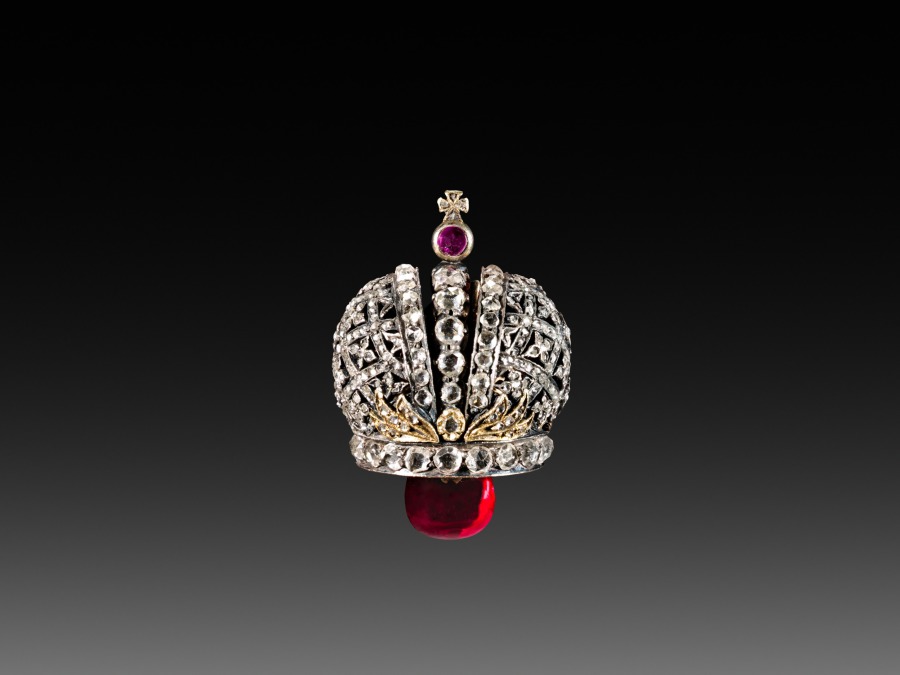
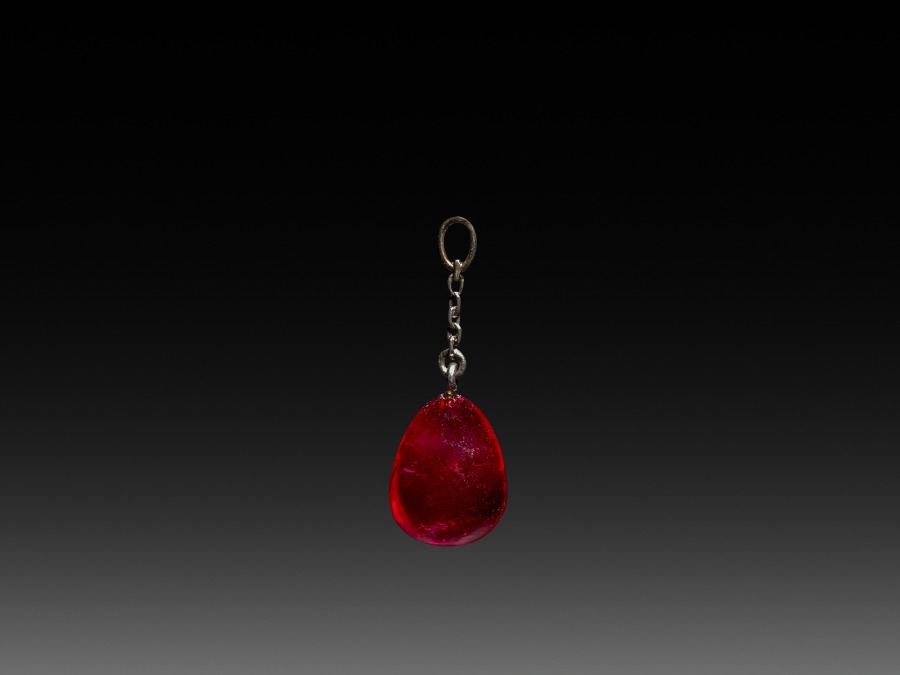
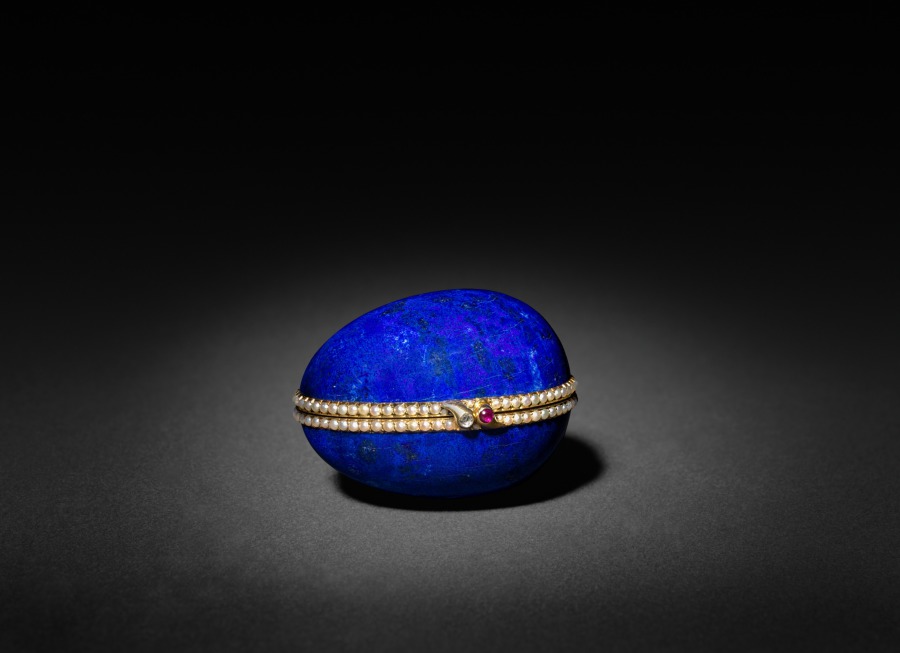
Peter Carl Fabergé became the crown jeweler to the imperial court of Russia in 1885 after he produced the very first Easter egg for Tsar Alexander III to give to his wife, Empress Marie Feodorovna. Fabergé created his celebrated Easter eggs, symbols of rebirth and renewal, as gifts for the Russian imperial family every year until he had to leave the country in 1919 after the Russian Revolution. Made of gold and lapis lazuli from the Ural Mountains, this egg opens to reveal a compartment enameled to resemble an egg yolk, which contains yet another delightful surprise of an imperial crown holding a tiny ruby or pink sapphire on a chain. This egg may have been made for one of the tsar's relatives very early in the run of imperial Easter egg production by Fabergé.
미술관이 쓴 설명 원문입니다(영어). 라이선스: CC0
이 작품에 대해 묻기
궁금한 것을 내 말로 물어보세요. 미술관이 이 작품에 대해 쓴 글에서 답을 찾고, 거기에 없으면 없다고 말합니다.
작품 정보
- 작가
- Attributed to Peter Carl Fabergé (Russian, 1846–1920), attributed to House of Fabergé (Russian, 1842–1918)
- 제작 시기
- c. 1885–90
- 재료
- gold, enamel, lapis lazuli, pearls, diamonds, rubies
- 크기
- Overall: 5.9 x 4.5 cm (2 5/16 x 1 3/4 in.)
- 제작 지역
- Russia
- 소장처
- 클리블랜드 미술관, Cleveland · 전시 중 · 211 Fabergé
- 소장 경위
- The India Early Minshall Collection
이미지: Cleveland Museum of Art, CC0