
Un momento, por favor
Un momento, por favor
Museo de Arte de Cleveland · 27 jun 2009 – 23 ago 2009
Ninguna obra de esta exposición tiene guía todavía. Abre una obra para que se cree.
 The Illustrated Miraculous Origins of the Yūzū Nenbutsu SchoolJapan, Kamakura period (1185–1333) · early 1300s
 ArhatKorea, Goryeo dynasty (918–1392) · 1235
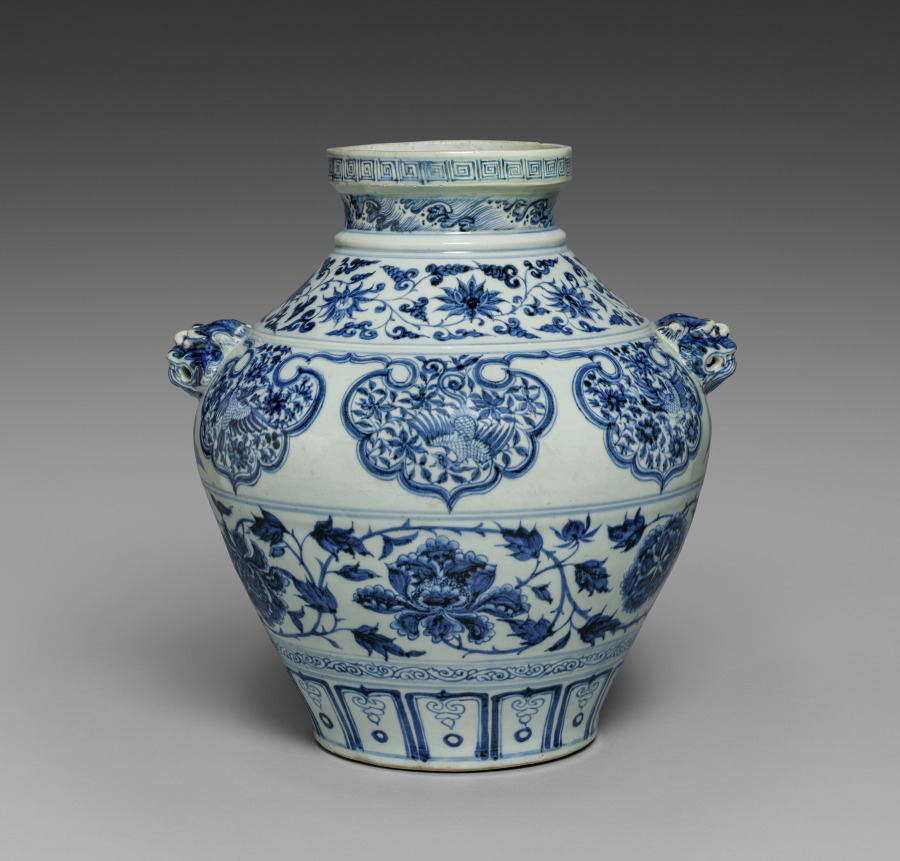 Jar with Lion-Head HandlesChina, Jiangxi Province, Jingdezhen, Yuan dynasty (1271–1368) · 1300s
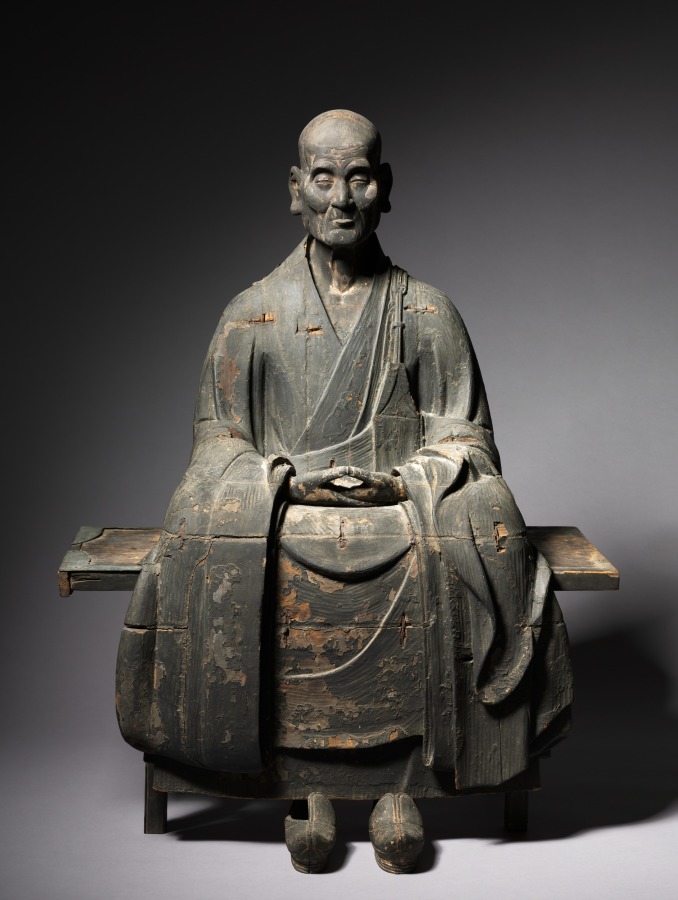 Portrait of Hottō Enmyō KokushiJapan, Kamakura period (1185–1333) · c. 1295–1315
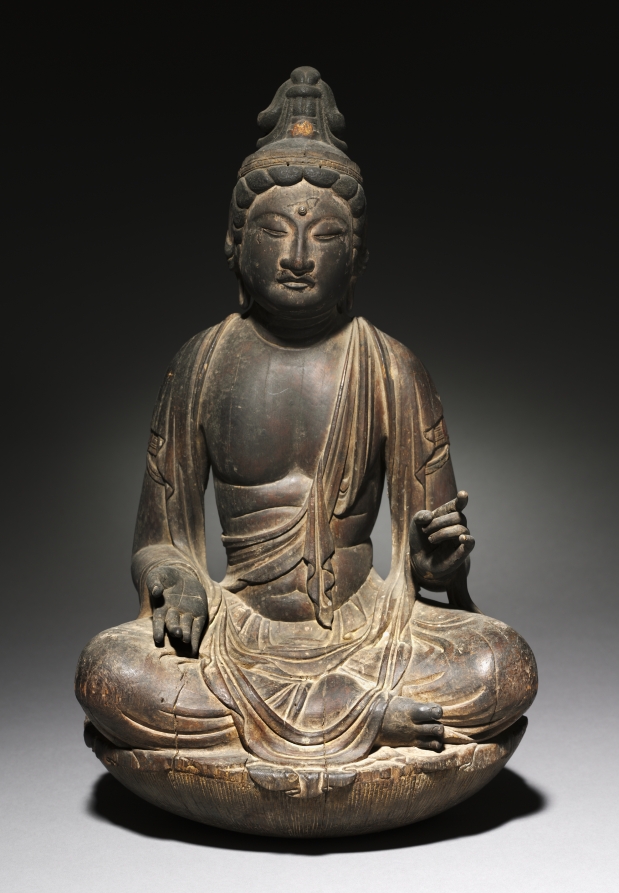 Sun Bodhisattva (Nikkō Bosatsu)Japan, Heian period (794–1185) · c. 800
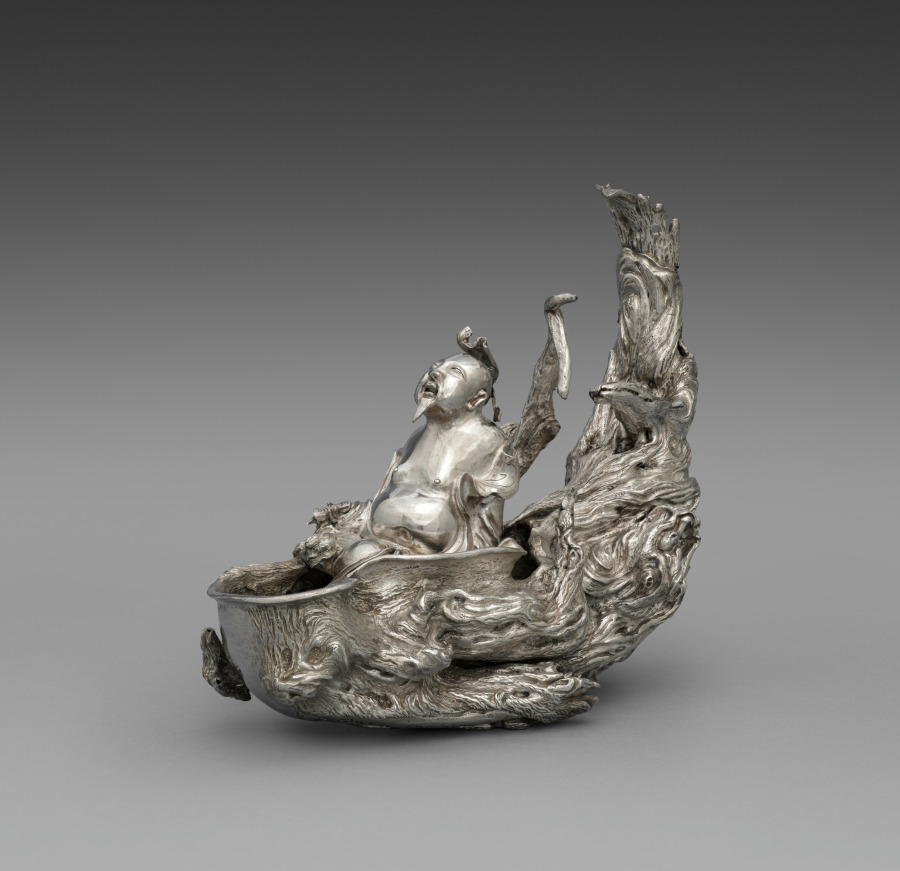 Raft CupZhu Bishan · 1300s–1400s
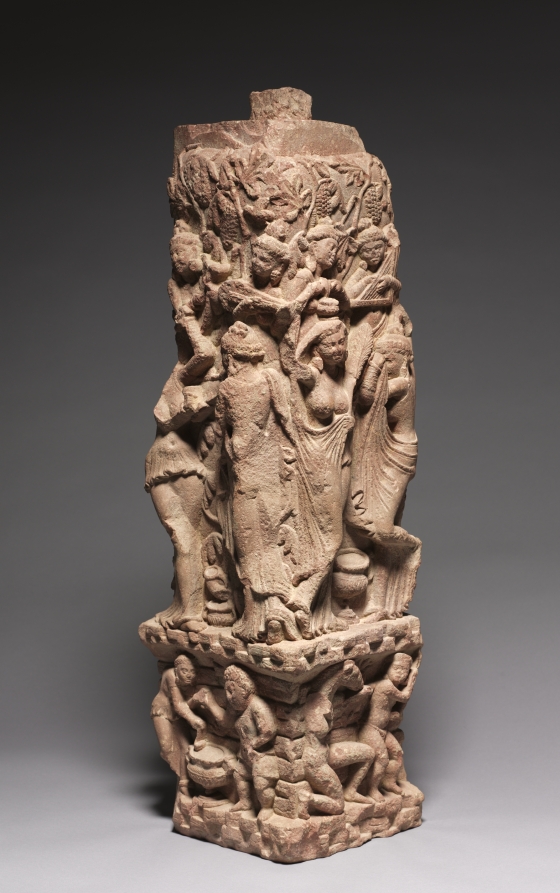 Corner Railing Pillar with Drinking Scenes, Yakshis, and MusiciansIndia, Mathura, Kushan period · 100s CE
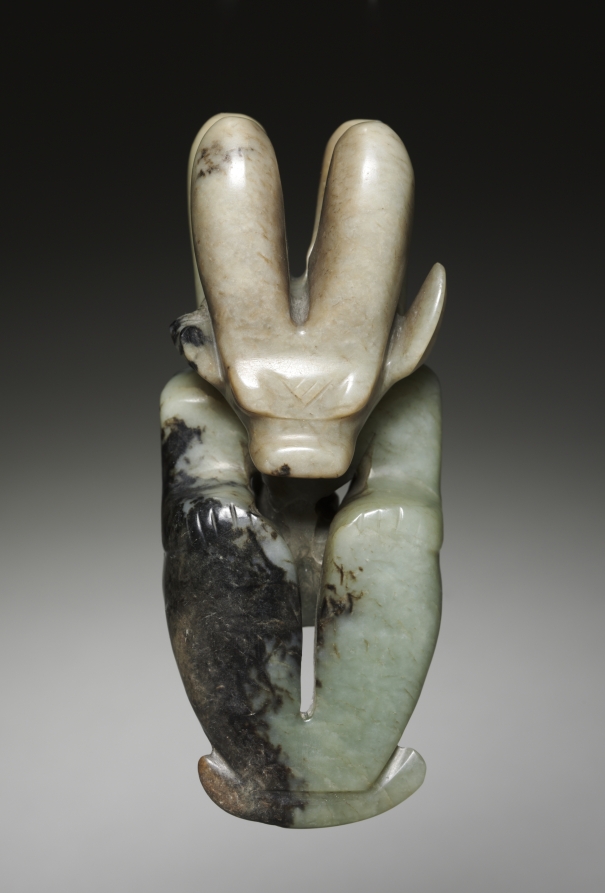 Amulet in the Form of a Seated Figure with Bovine HeadNortheast China, Neolithic period, probably Hongshan culture (4700–2920 BCE) · c. 4700–2920 BCE
 Mirror with Phoenixes, Birds, Butterflies, and Floral SpraysChina, Tang dynasty (618-907) · 700s
 Vase with Golden PheasantsChina, Jiangxi province, Jingdezhen kilns, Qing dynasty (1644-1911), Qianlong mark and period (1736-95) · 1736–95
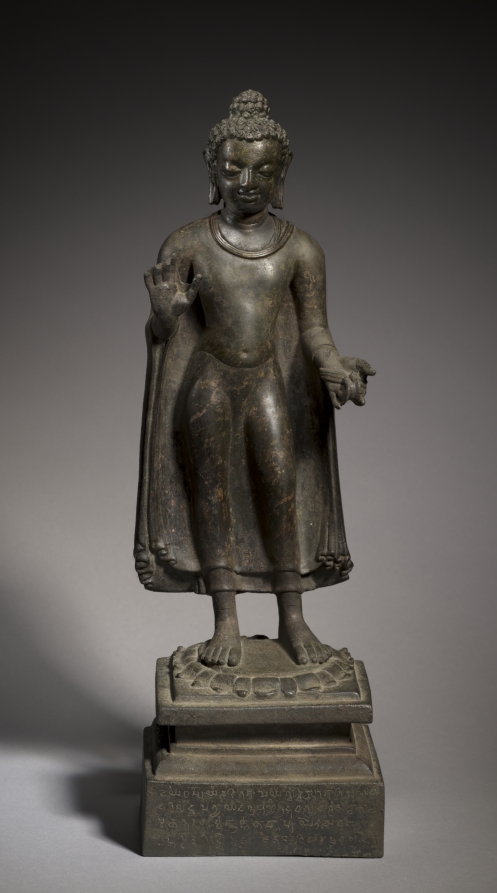 Standing BuddhaNorthern India, Uttar Pradesh · 591
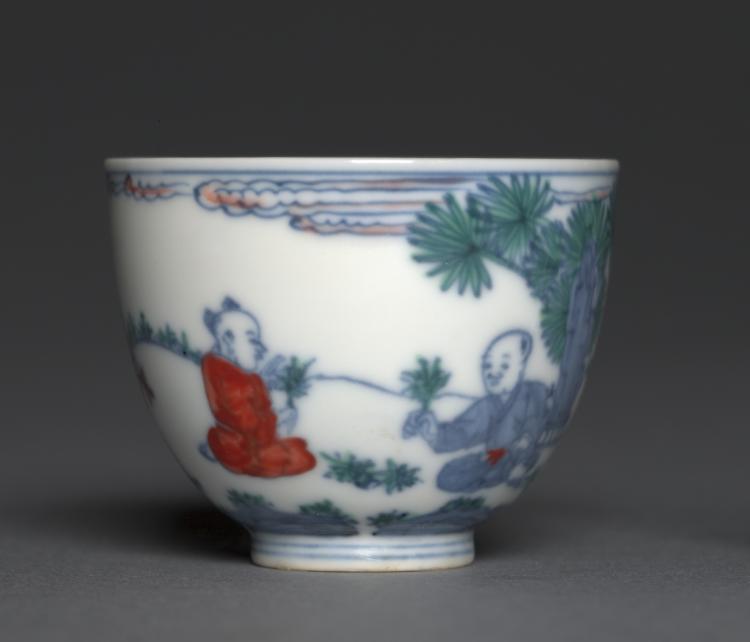 Wine Cup with Children at PlayChina, Jiangxi province, Jingdezhen, Ming dynasty (1368-1644), Chenghua mark and period (1465-1487) · 1465–87
 Mother GoddessNorthwestern India, Rajasthan, Udaipur District · c. 600
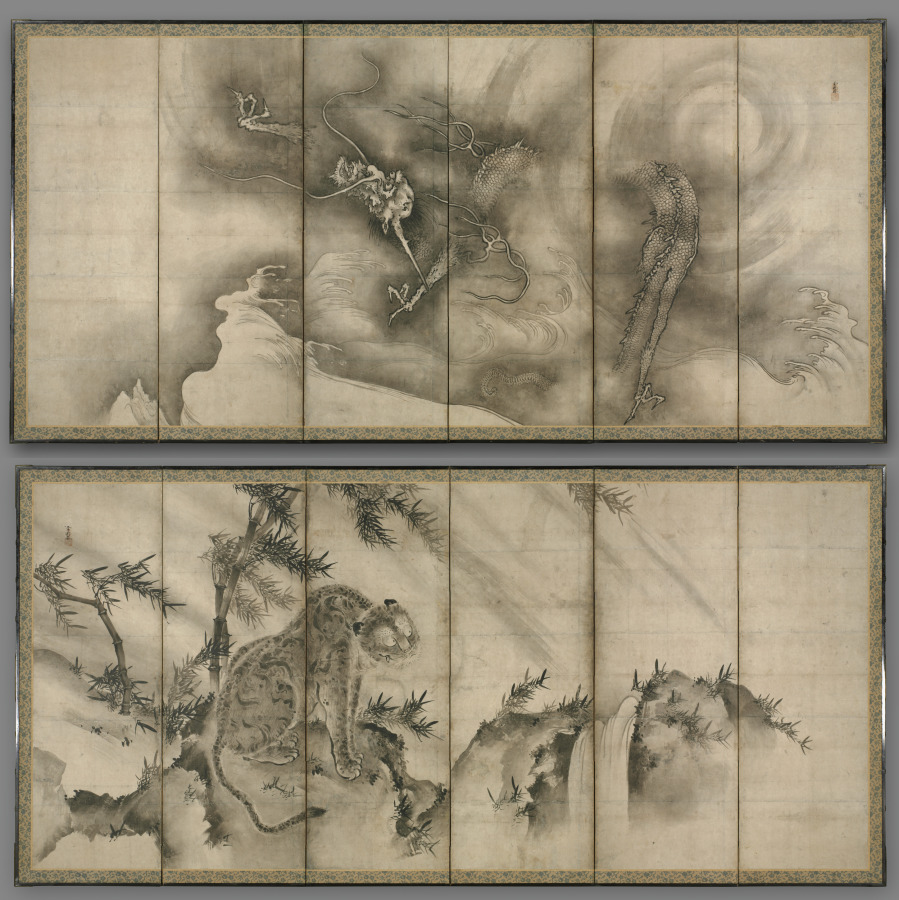 Dragon and TigerSesson Shūkei · c. 1546–56
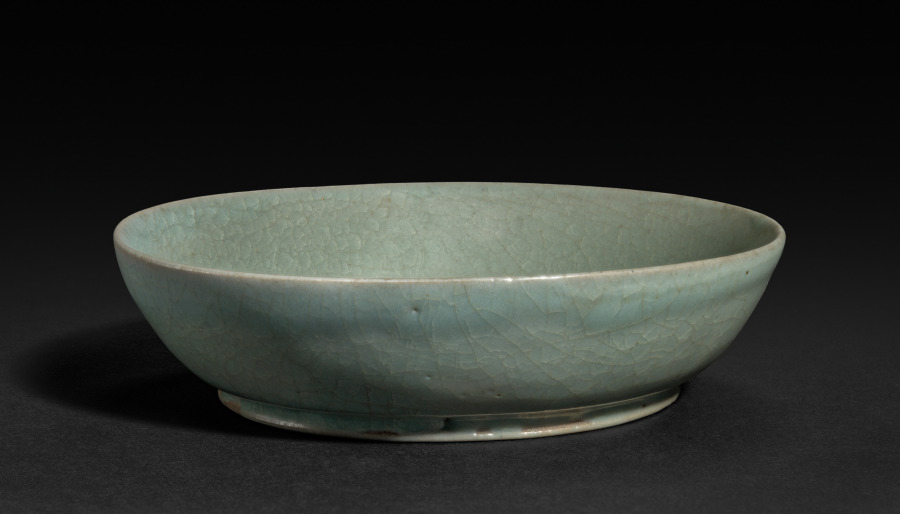 Brush WasherChina, Henan Province, Baofeng, Qingliangsi, Northern Song dynasty (960-1127) · late 1000s–1127
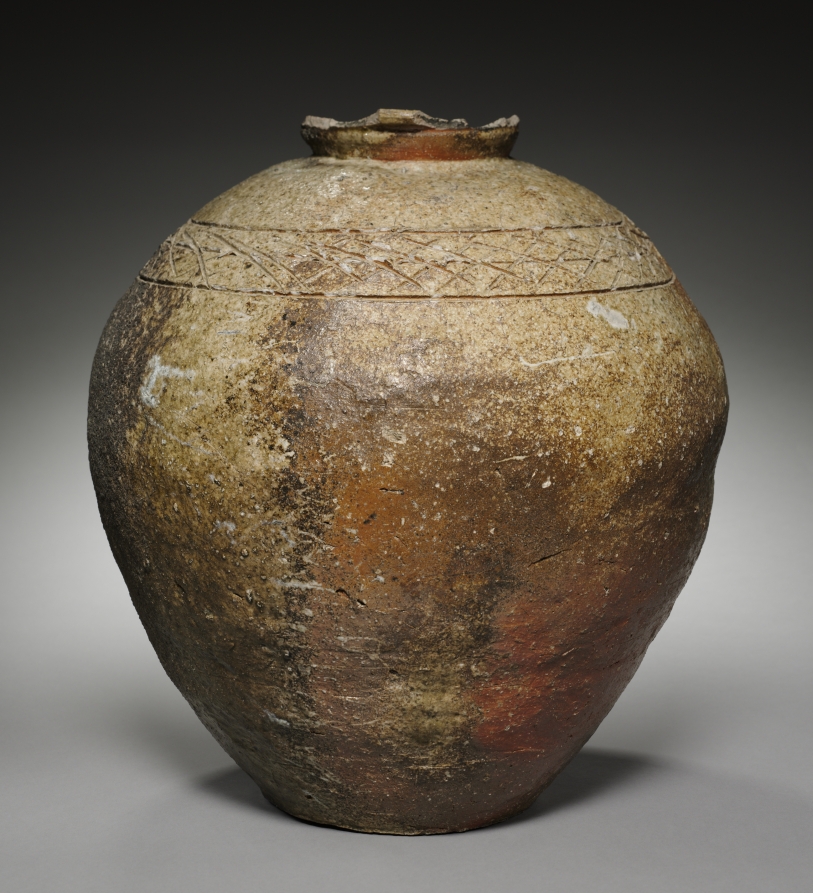 Storage JarJapan, Muromachi period (1392–1573) · late 1300s–1400s
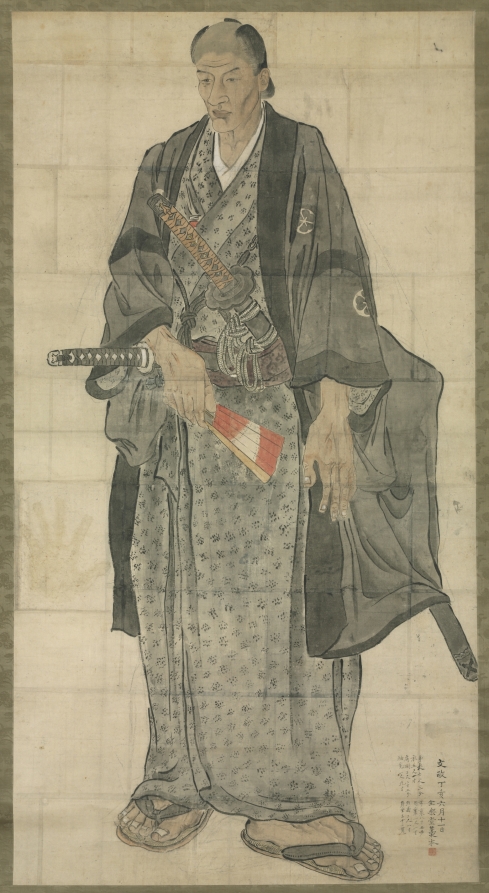 Portrait of Ōzora BuzaemonWatanabe Kazan · 1827
 The Story of FukutomiJapan, Muromachi period (1392–1573) · mid-1400s
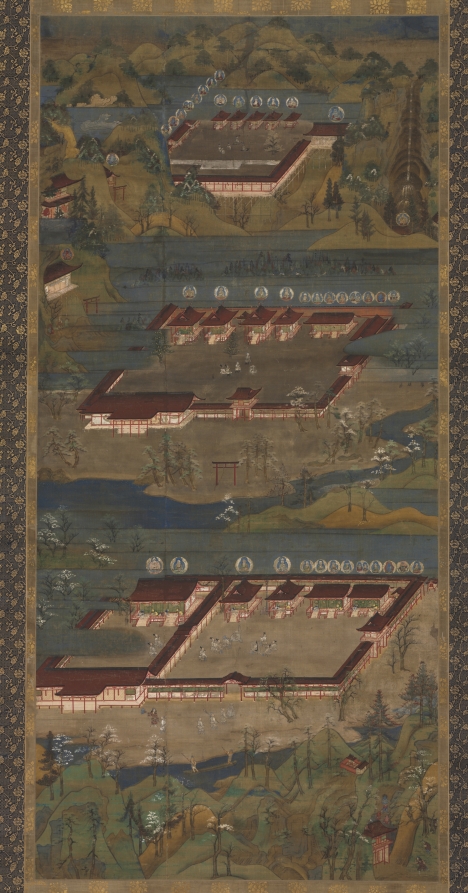 Mandala of the Three Shrines at KumanoJapan, Kamakura period (1185–1333) to Nanbokuchō period (1336–92) · 1300s
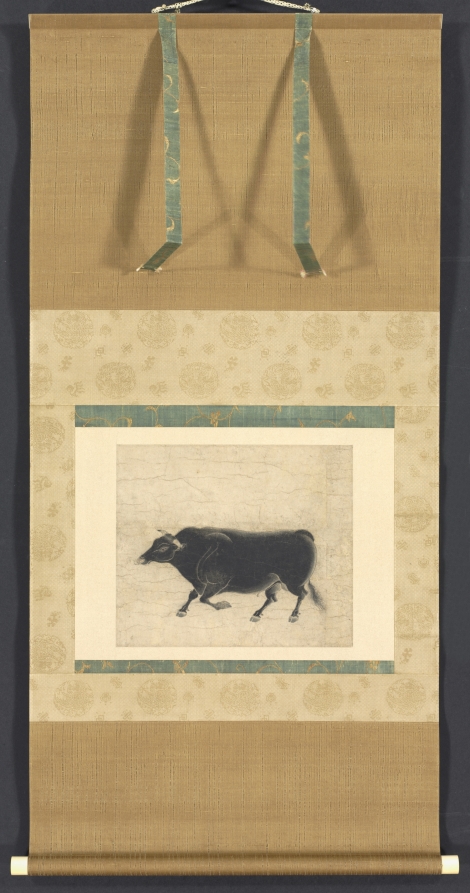 Swift Bull from the Ten Swift BullsJapan, Kamakura period (1185–1333) · late 1200s–early 1300s
 Green TaraAniko · c. 1260s, mounted 2020
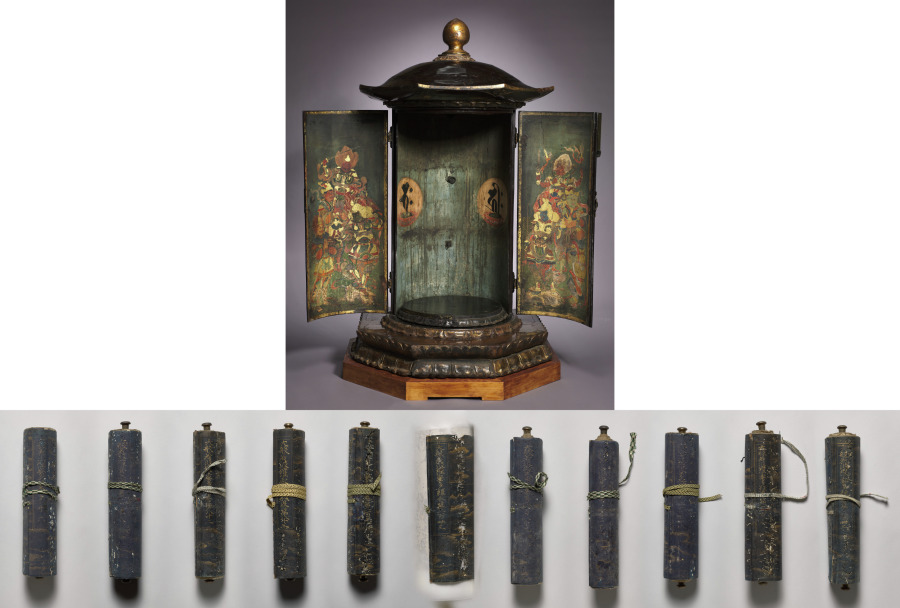 Repository for the Great Perfection of Wisdom Sutra and Eleven Volumes of the Great Perfection of Wisdom SutraJapan, Heian period (794–1185) · late 1100s
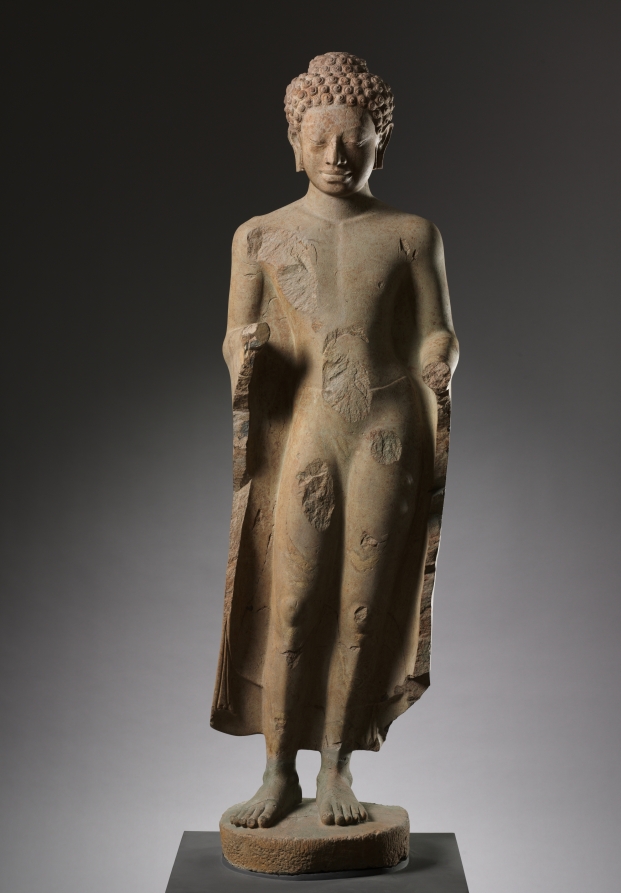 BuddhaThailand, probably Shri Thep, Mon-Dvaravati style · 600s
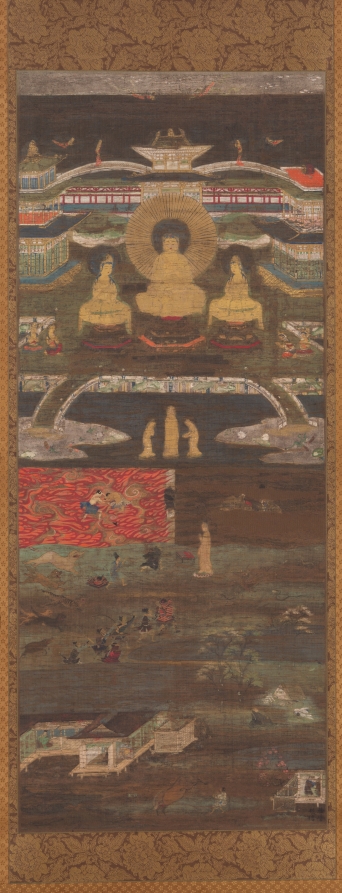 The White Path Between Two RiversJapan, Kamakura period (1185–1333) · 1200s
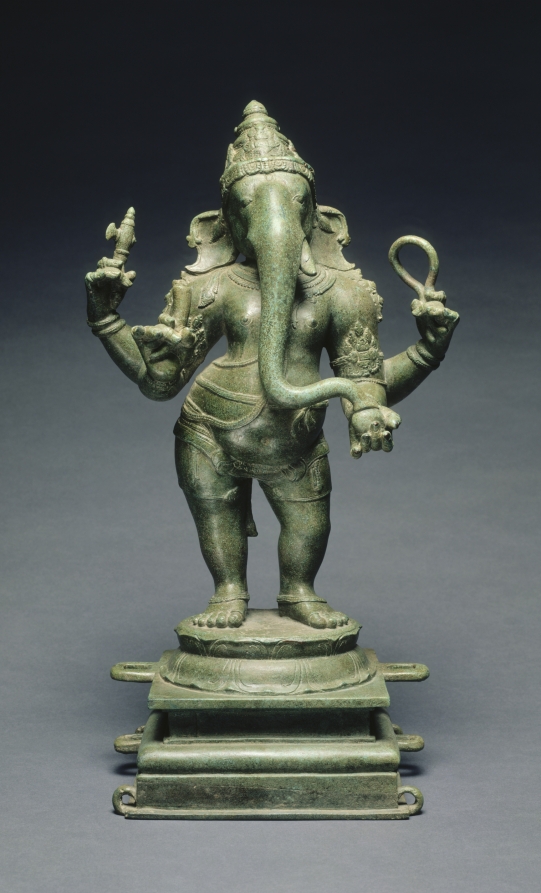 GaneshaSouth India, Medieval period, Chola dynasty(10th-13th century) · c. 1070
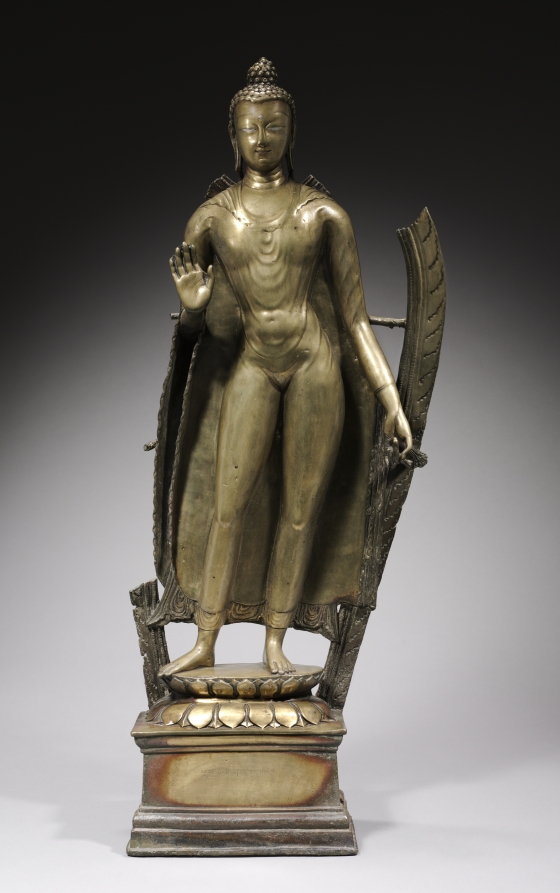 Standing BuddhaIndia, Kashmir · c. 900
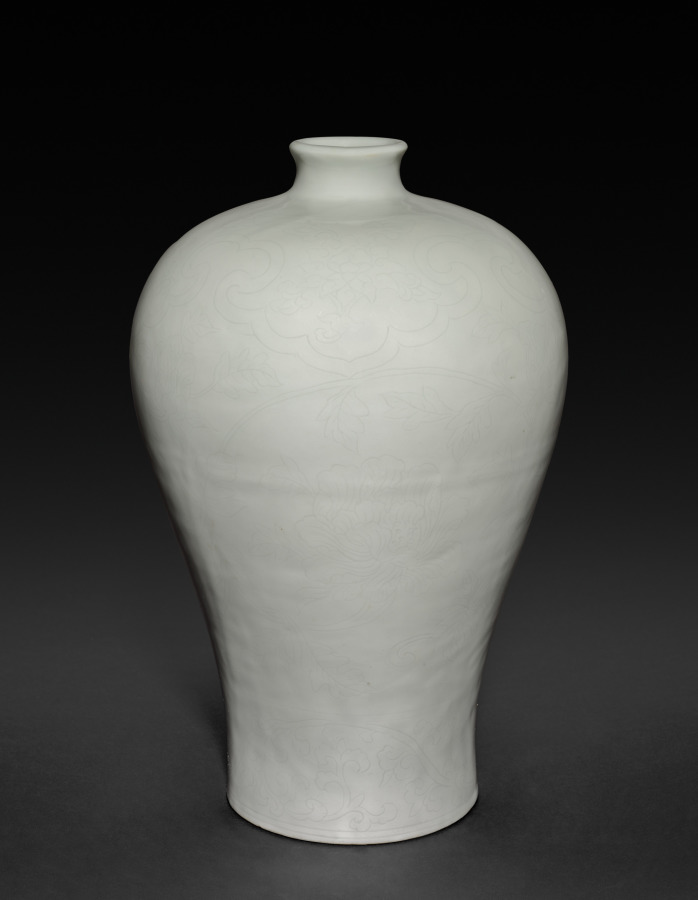 Meiping Vase with Cloud Collars and Peony SpraysChina, Jiangxi province, Jingdezhen kilns, Ming dynasty (1368-1644), Yongle period (1403-1424) · 1403–24
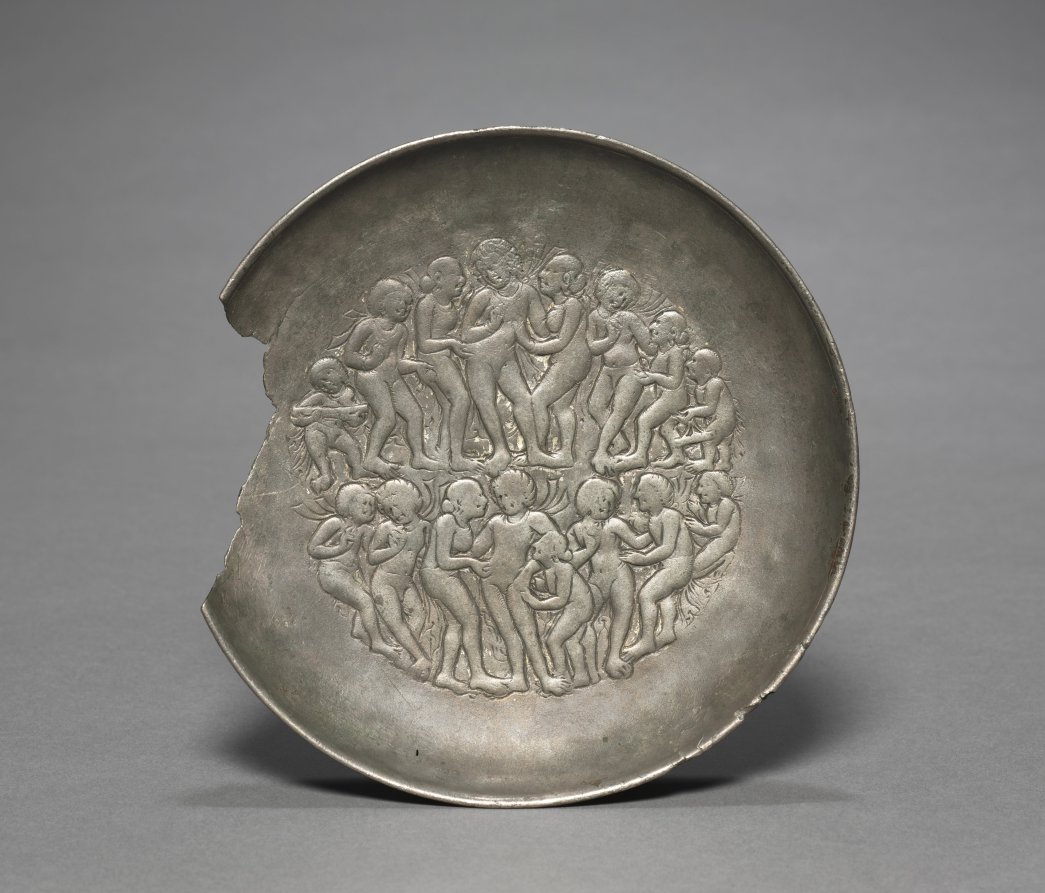 Plate with a Scene of RevelryNorthwestern India, possibly Tanesara Mahadeva, Gupta period (320-647) · 400s CE
 Worshippers at a sacred treeSouthern India, Andhra Pradesh, possibly Chandavaram · about 50 BCE to 50 CE
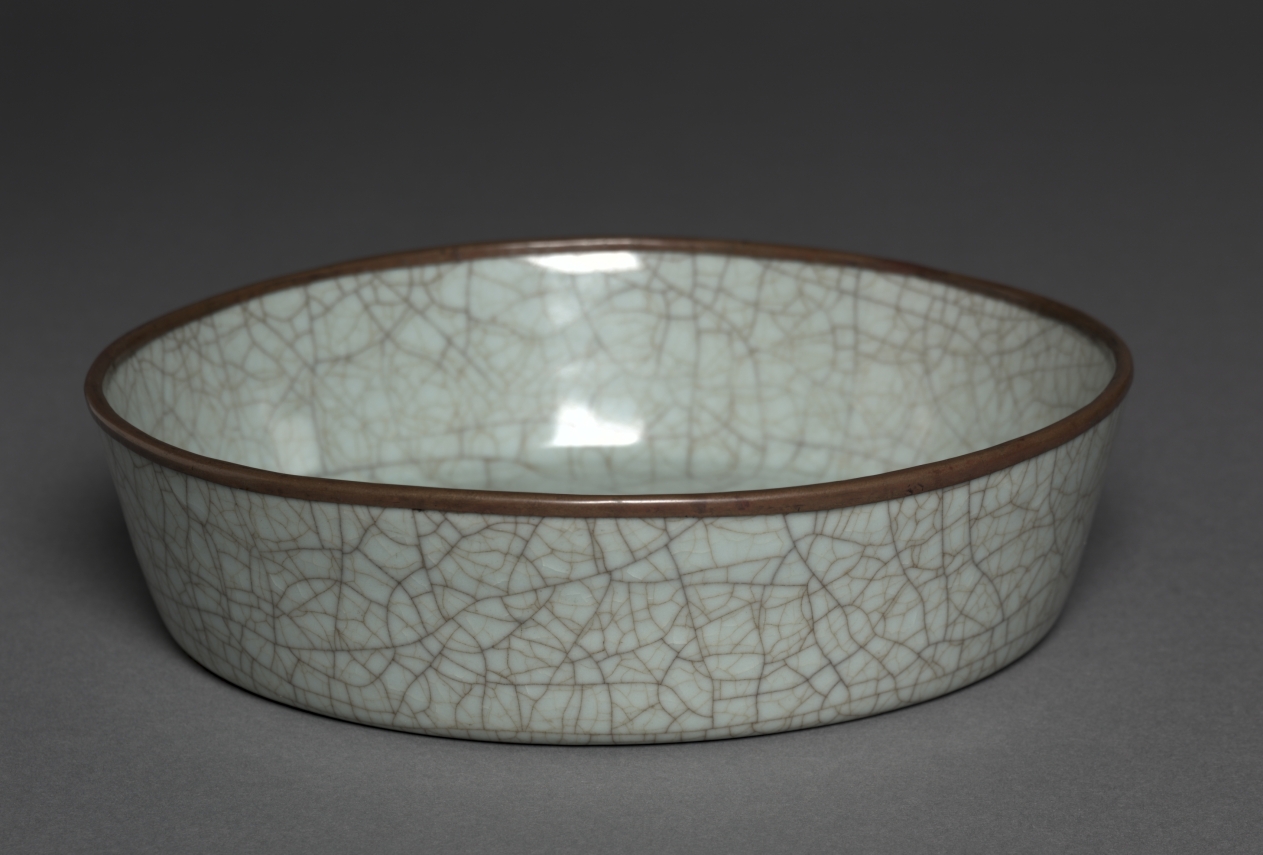 BasinChina, Zhejiang province, Hangzhou, Southern Song dynasty (1127-1279) · 1127–1279
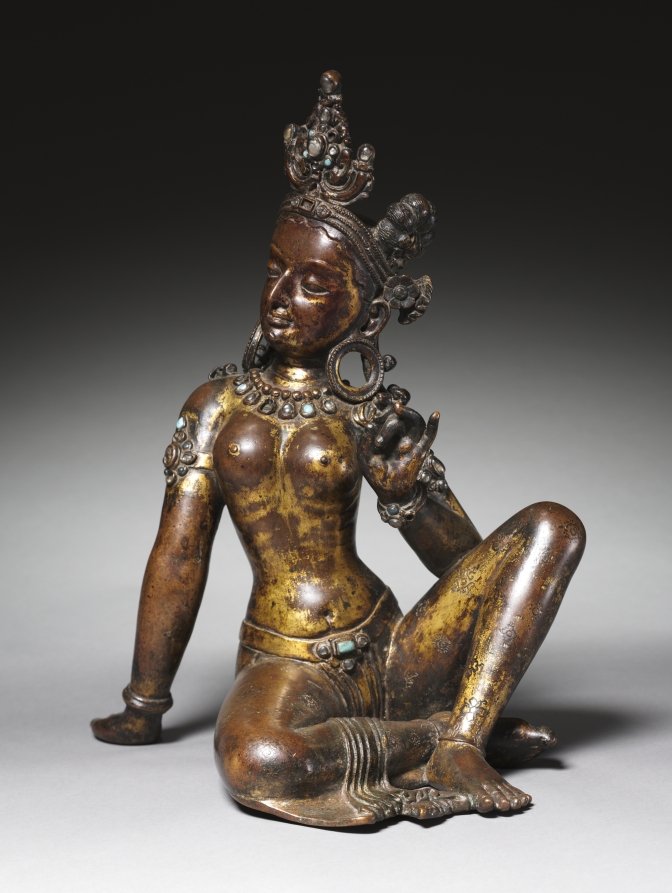 Goddess UmaNepal · 1000s
 Buddha of Infinite Life and Light (Amida Nyorai)Kōshun · 1269
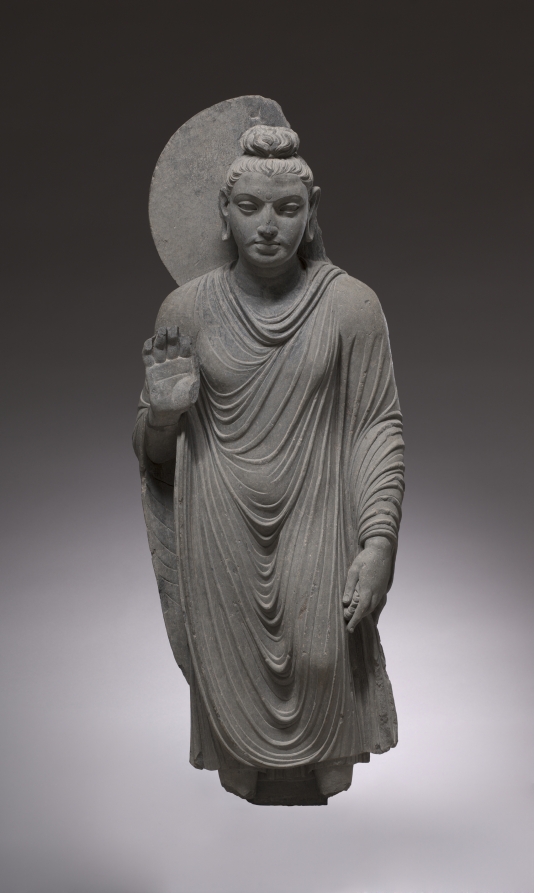 Standing BuddhaPakistan, Gandhara, Kushan period · 150–200 CE
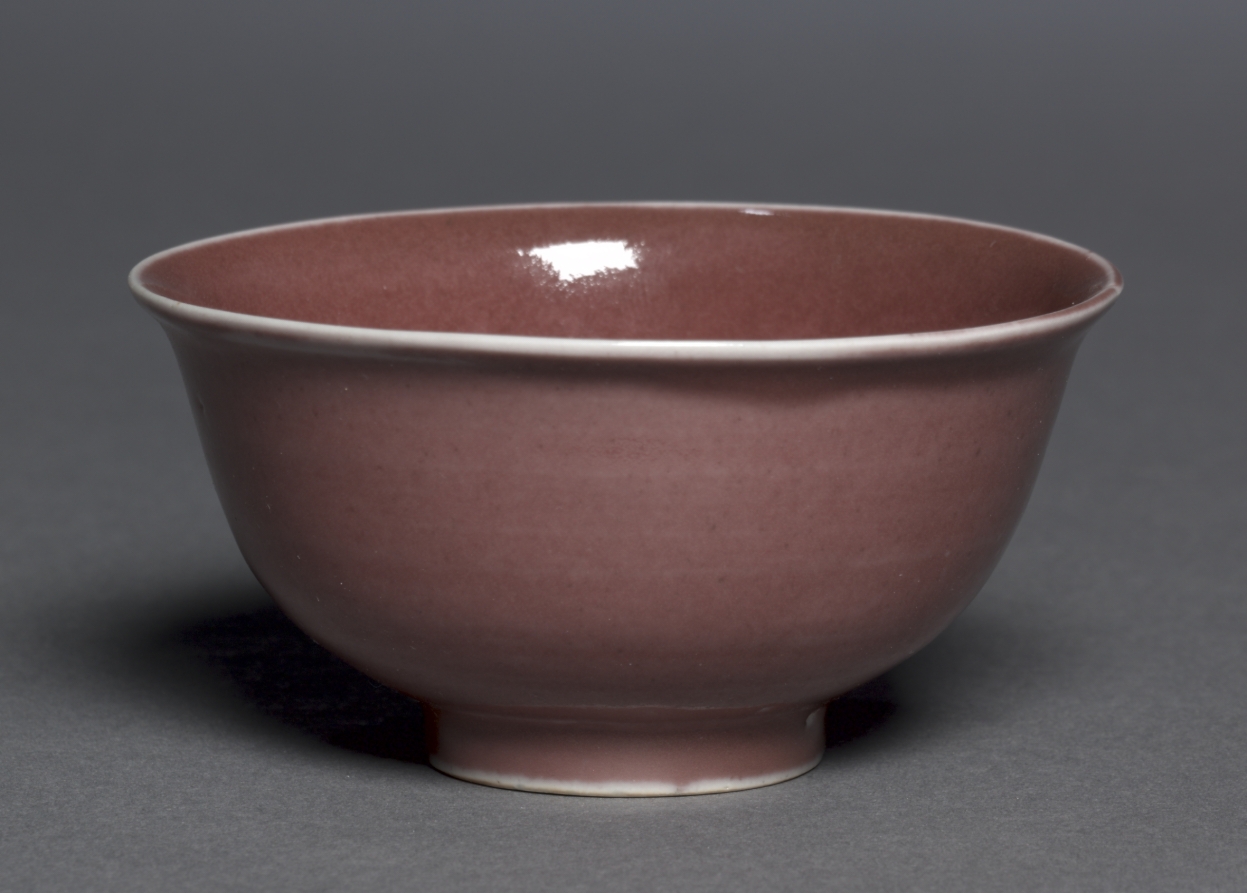 Bowl with Dragons and CloudsChina, Jiangxi province, Jingdezhen, Ming dynasty (1368-1644), Hongwu period (1368-98) · 1368–98
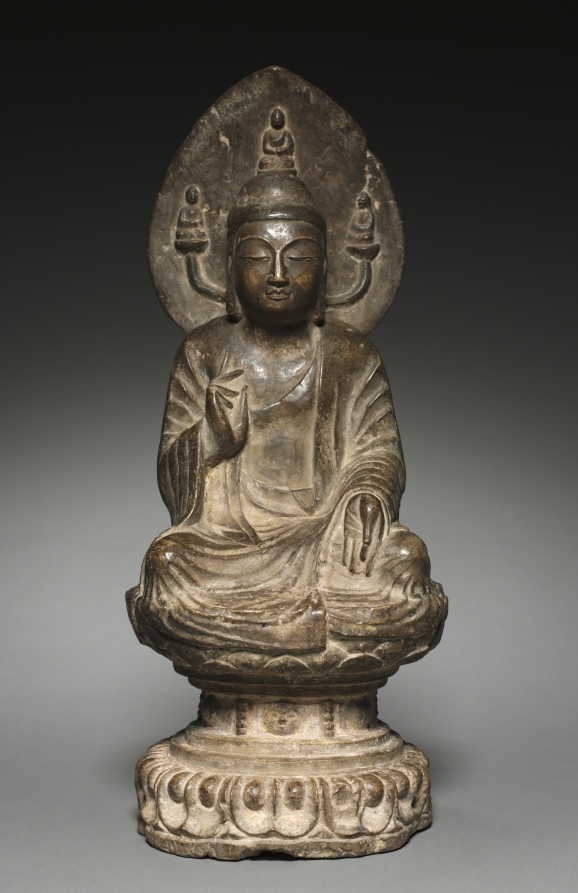 Amida BuddhaChina, Sui dynasty (581-618) · 581–618
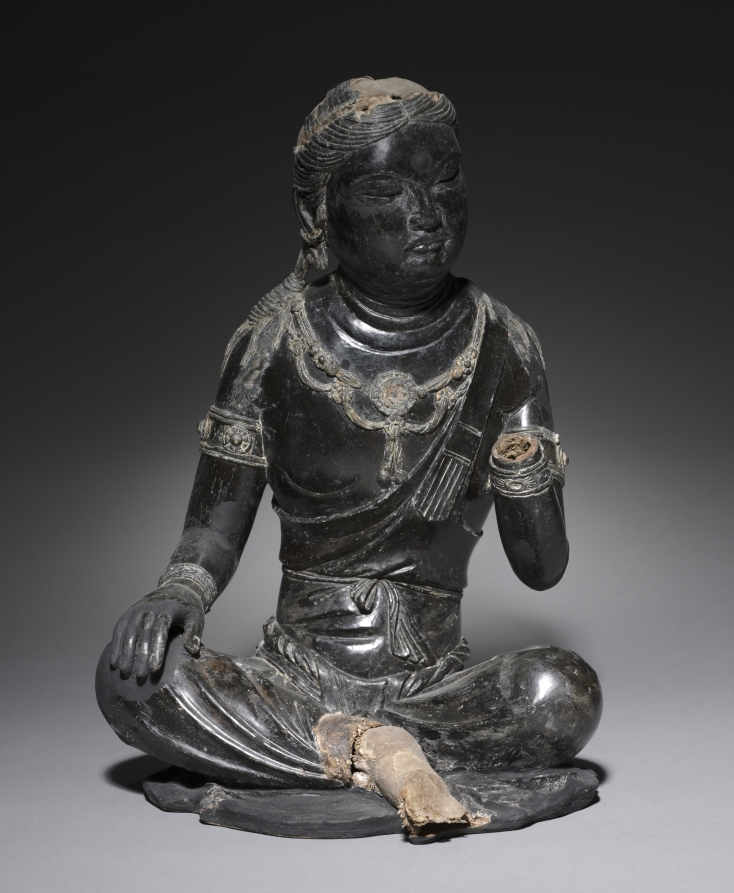 BodhisattvaChina, Tang dynasty (618-907) · 700s
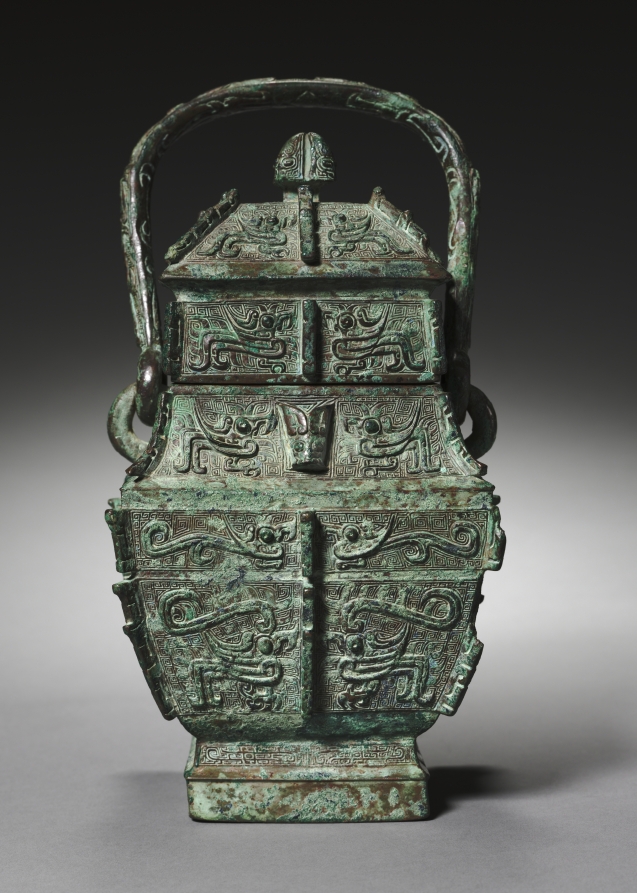 Square Wine Container (Fangyou)China, Henan province, probably Anyang, Shang dynasty (c. 1600–c. 1046 BCE), Anyang phase (c. 1250–1046 BCE) · c. 1250–1046 BCE
 Lovers (Mithuna)India, Madhya Pradesh, Khajuraho, Medieval period, Chandela dynasty · 1000s
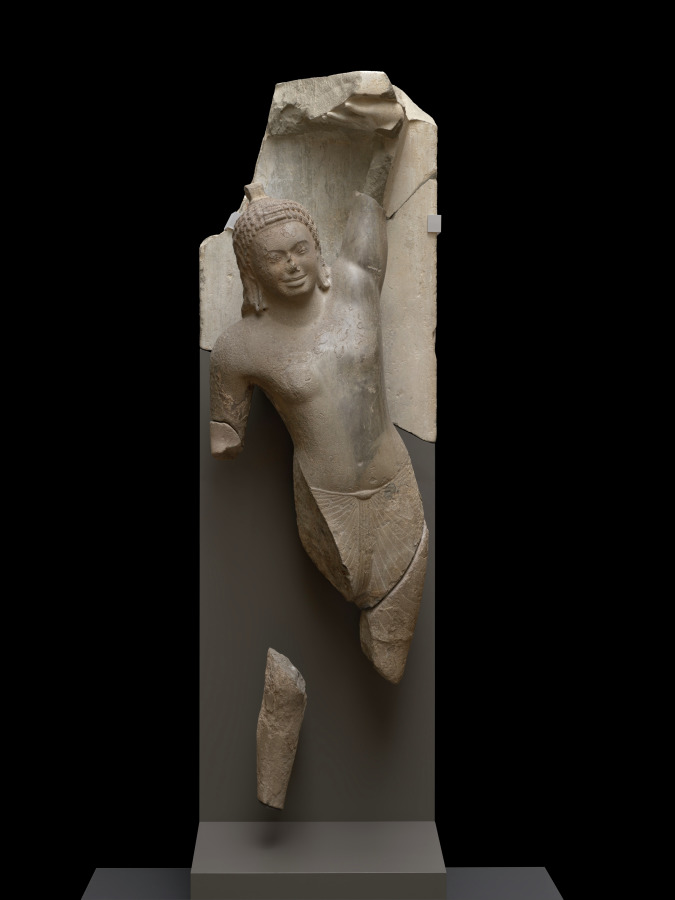 Krishna Lifting Mount GovardhanSouthern Cambodia, Takeo Province, Phnom Da · c. 600
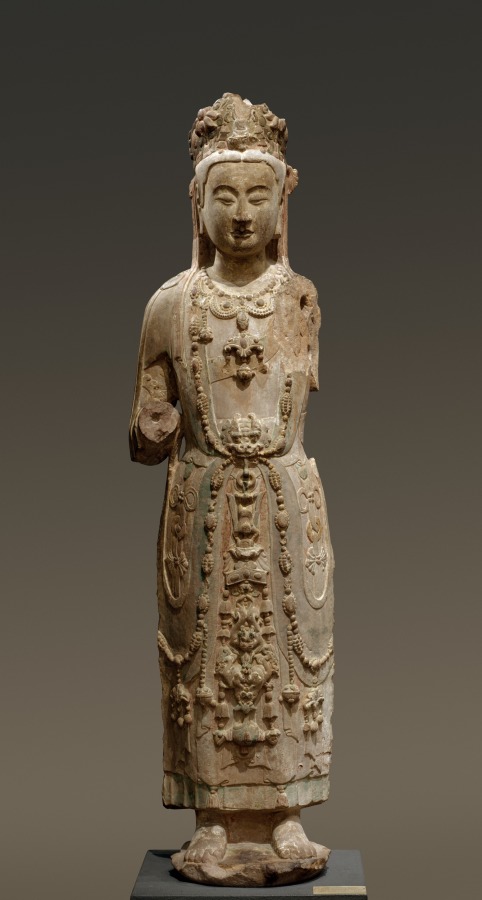 Bodhisattva GuanyinChina, late Northern Qi (550–577) or early Sui dynasty (581–618) · late 500s–early 600s
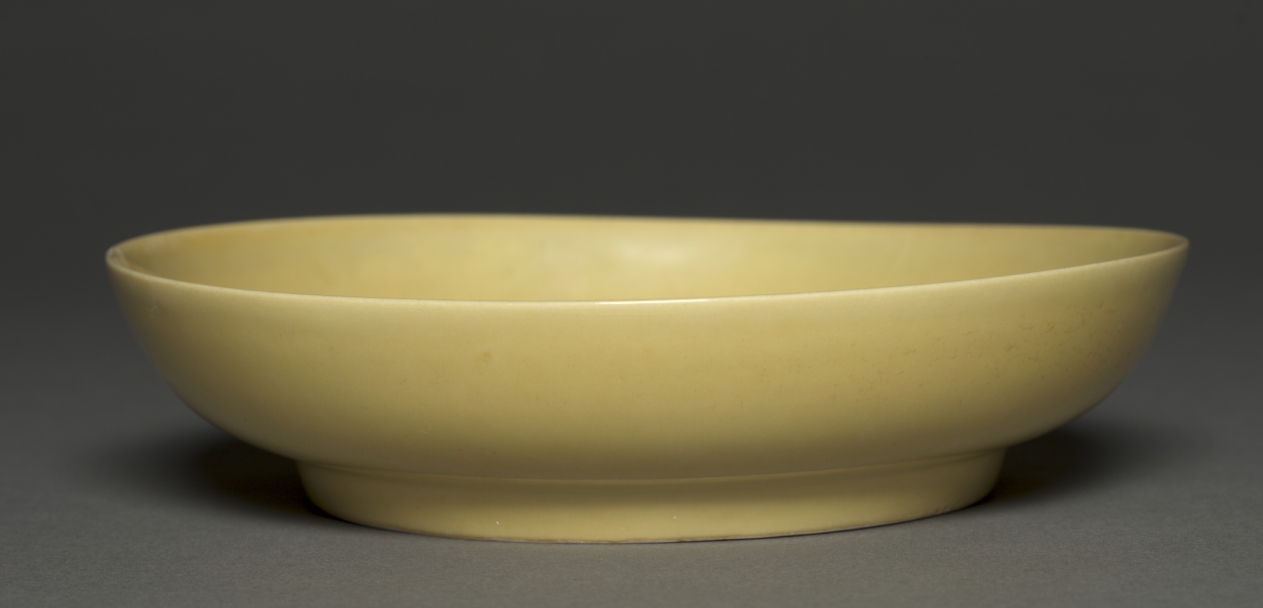 DishChina, Jiangxi province, Jingdezhen, Ming dynasty (1368-1644), Chenghua mark and period (1465-1487) · 1465–87
 Leisure Enough to SpareYao Tingmei · 1360
 Monk Mending Clothes in the Morning Sun (Chōyō Hotetsuzu)Japan, Nanbokuchō period (1336–92) · c. 1350
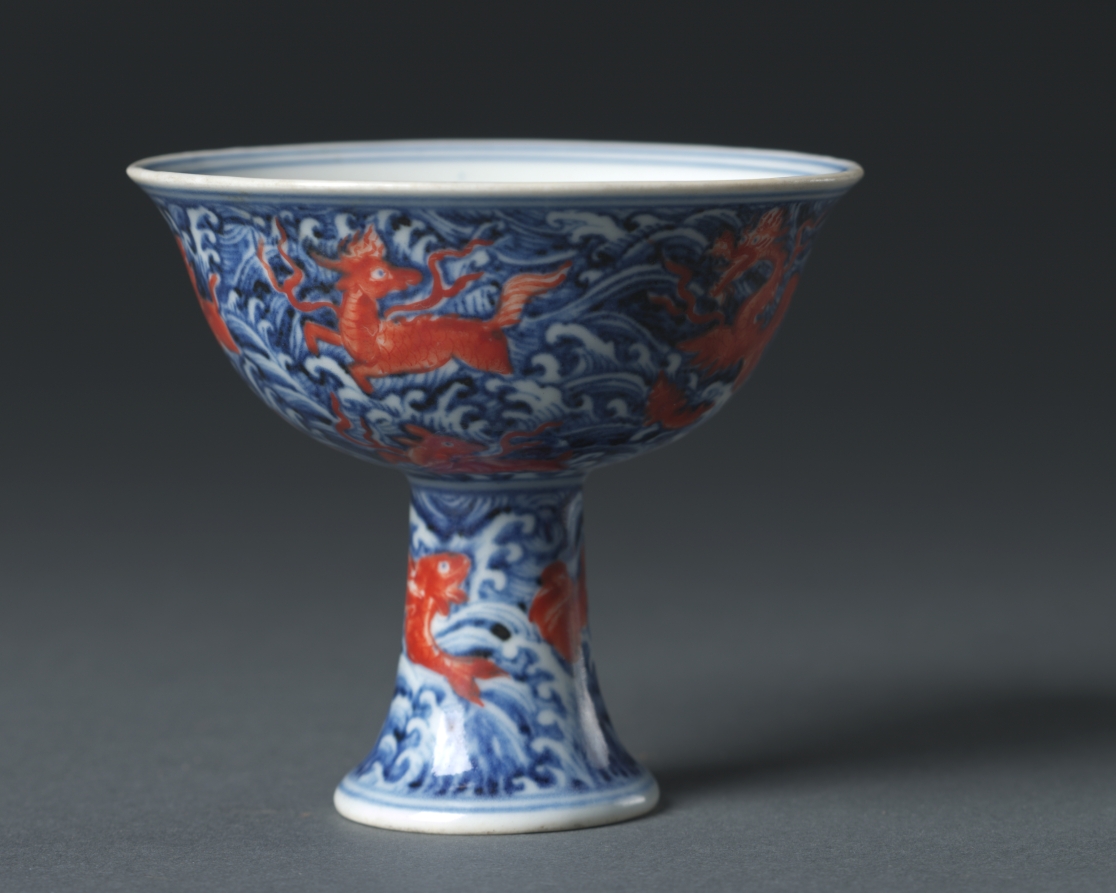 Stem CupChina, Jiangxi Province, Jingdezhen, Ming dynasty (1368–1644), Xuande mark and period (1426–35) · 1426–35
 IrisesWatanabe Shikō · 1700s
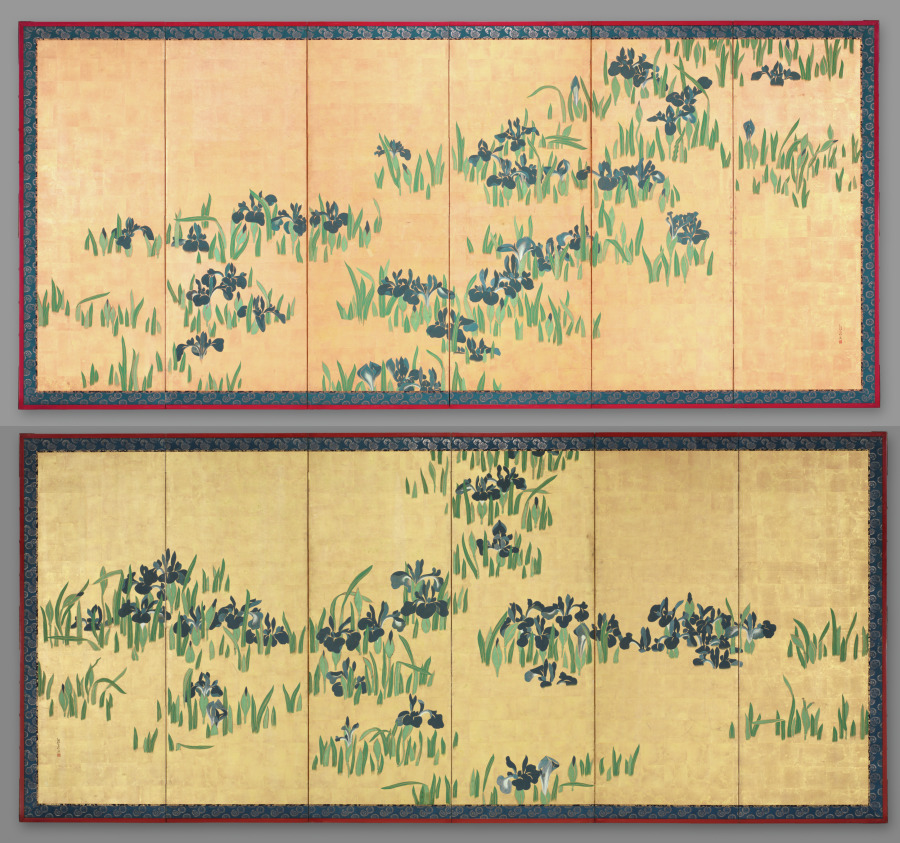 IrisesWatanabe Shikō · early-mid 1700s
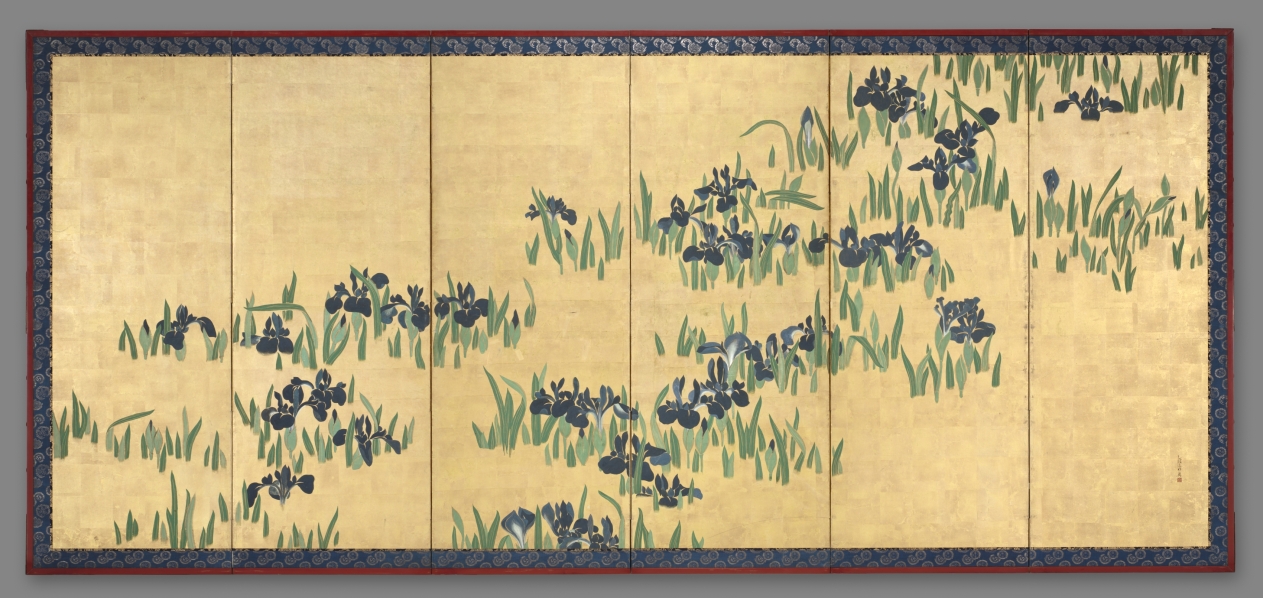 IrisesWatanabe Shikō · 1700s
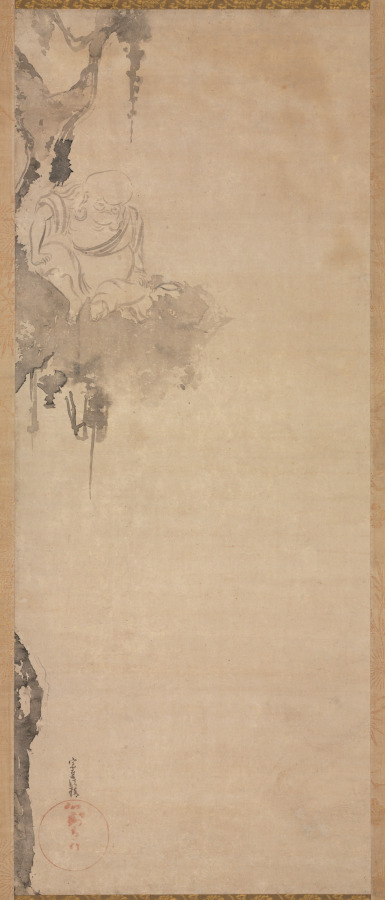 The Bird's Nest PatriarchTawaraya Sōtatsu · early to mid-1600s
 Fish and RocksBada Shanren · mid- to late 1600s
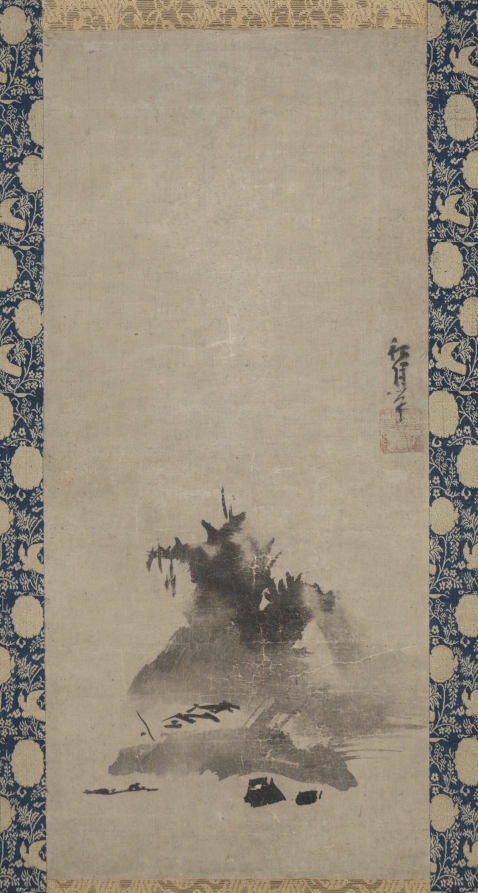 Haboku (Flung-ink) LandscapeShūgetsu Tōkan · c. 1510
 Streams and Mountains without EndChina, late Northern Song dynasty (960-1127) - Jin dynasty (1115-1234) · 1100–1150
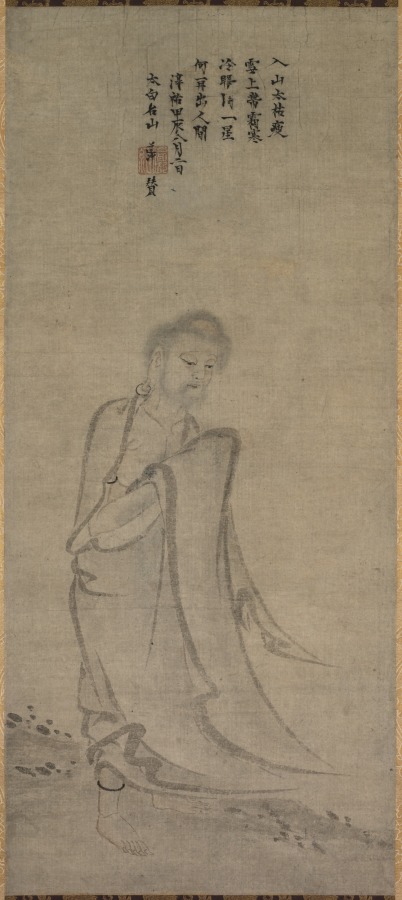 Shakyamuni Emerging from the MountainsChina, Southern Song dynasty (1127–1279) · 1244
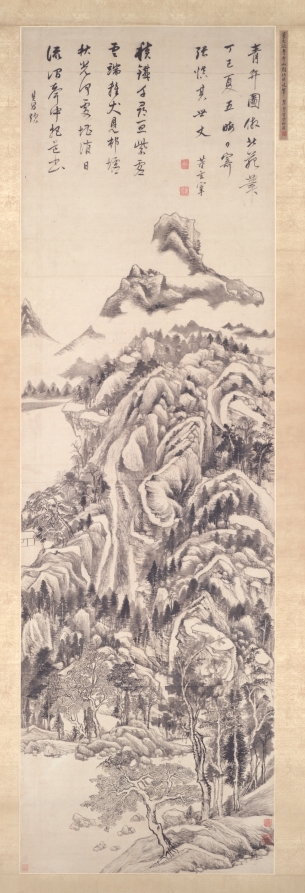 Mt. QingbianDong Qichang · 1617
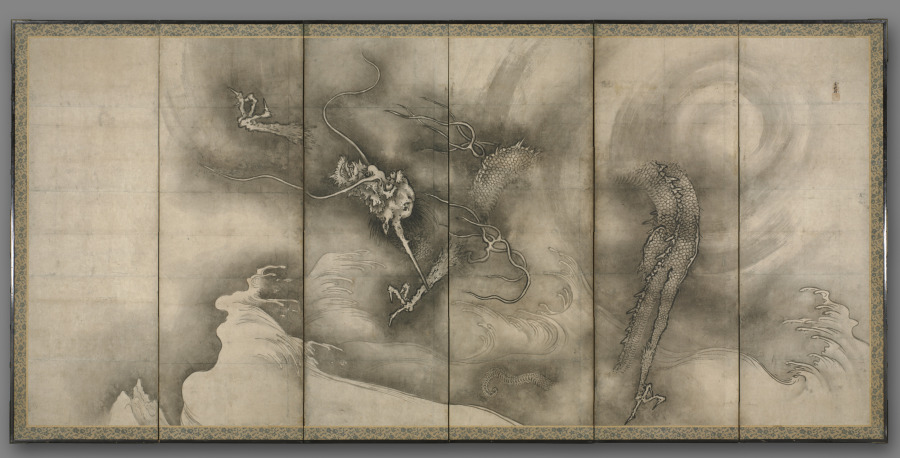 Dragon and TigerSesson Shūkei · c. 1546–56
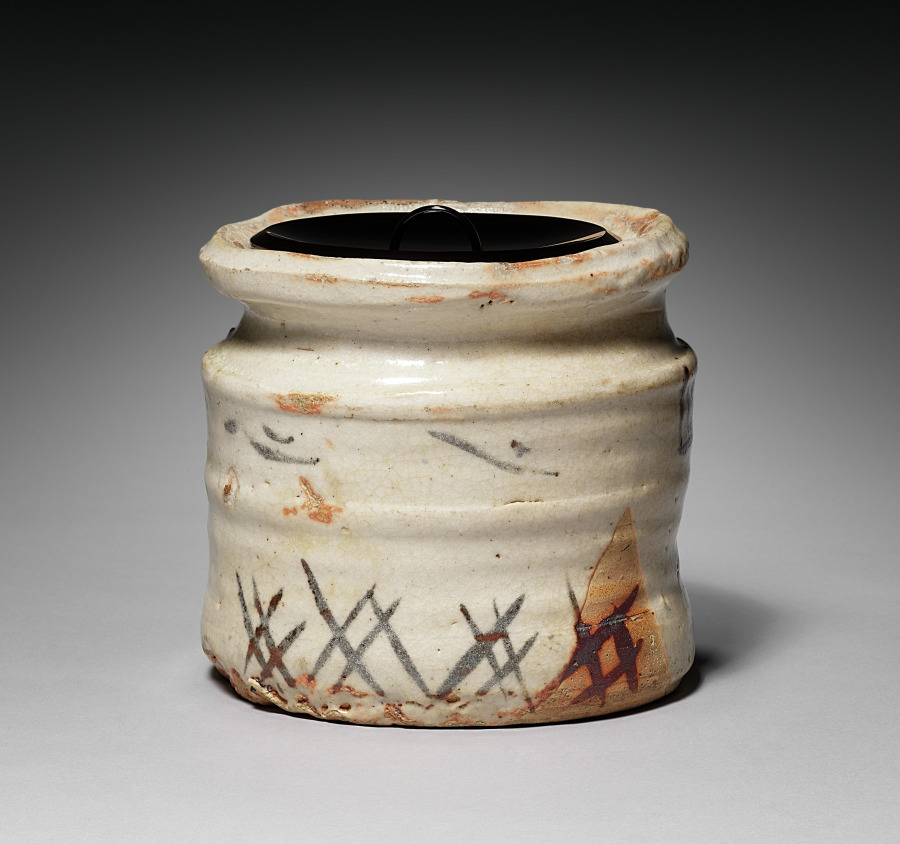 Water Container (Mizusashi) with RiverscapeJapan, Momoyama period (1573-1615) to Edo period (1615-1858) · late 1500s–early 1600s
 Beauty Receiving a VisitorTamura Suio · late 1600s–early 1700s
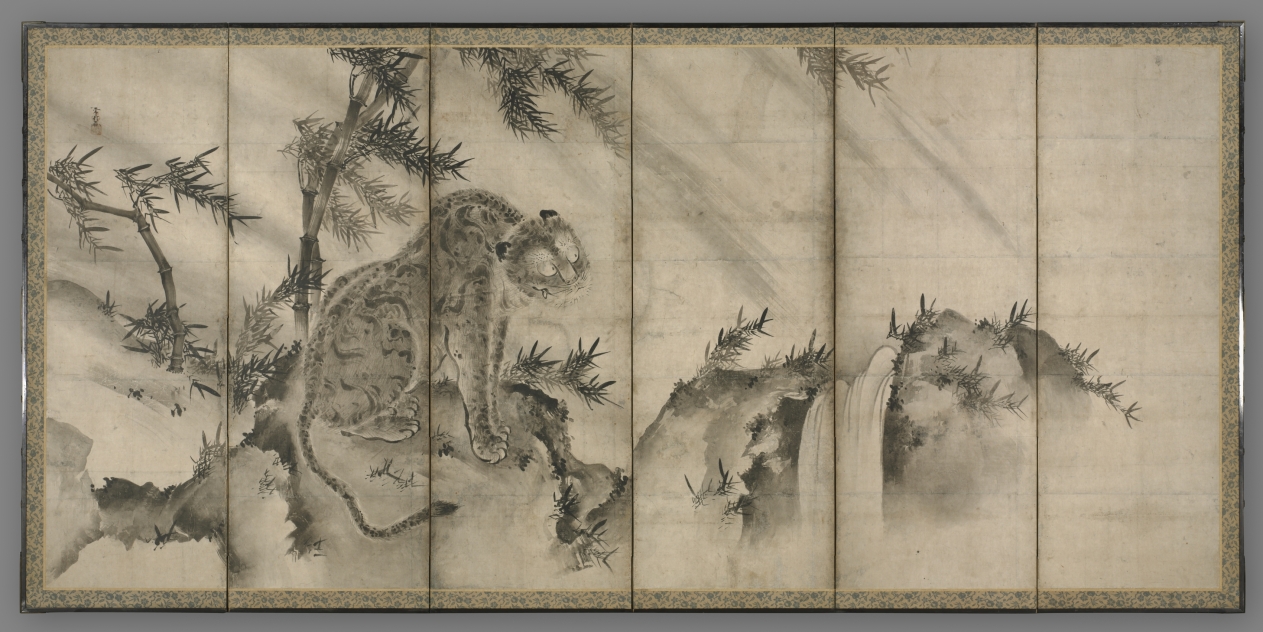 Dragon and TigerSesson Shūkei · c. 1546–56
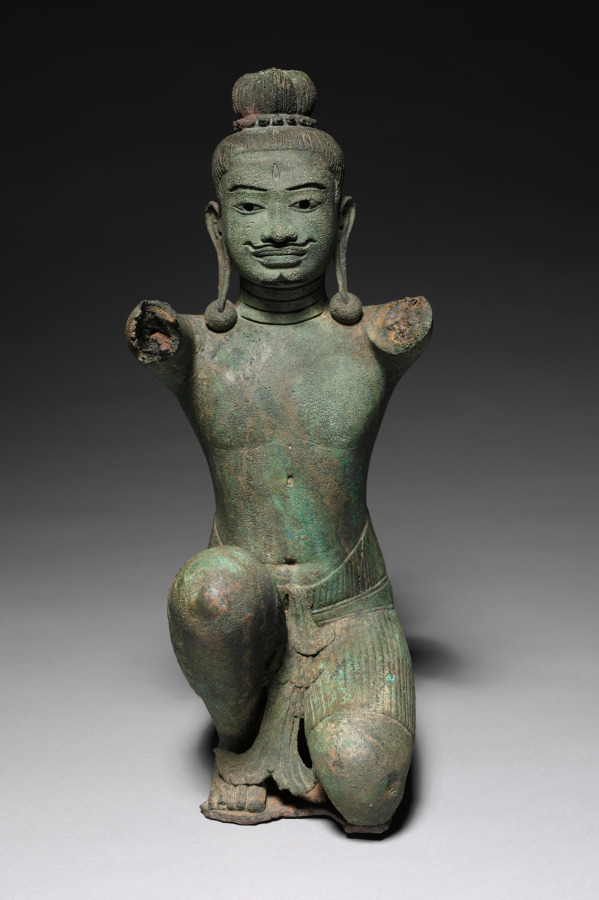 Kneeling Male FigureCambodia, Angkor, Baphuon, Baphuon period, 1000s · 1010–80
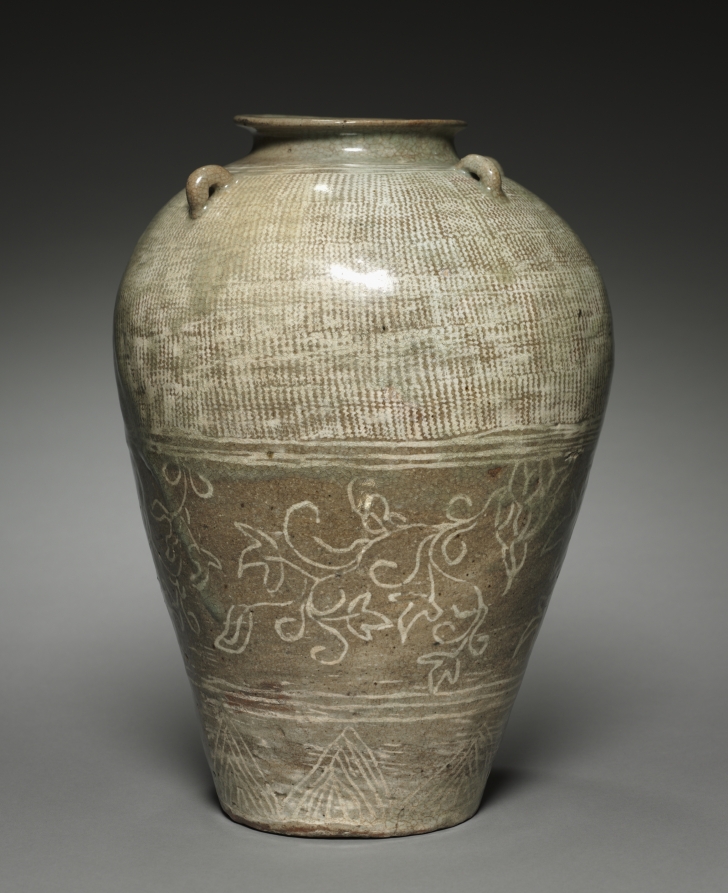 Jar with Scroll DesignKorea, Joseon dynasty (1392–1910) · 1400s
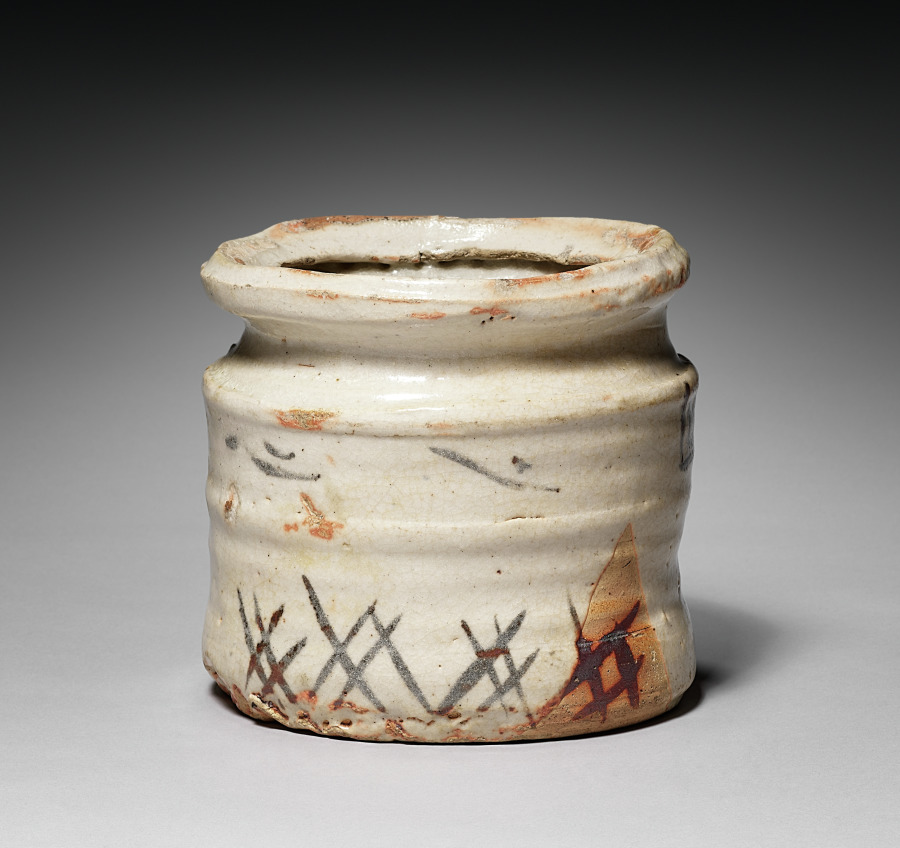 Water Container (Mizusashi) with RiverscapeJapan, Momoyama period (1573-1615) to Edo period (1615-1858) · late 1500s–early 1600s
 Incense Burner with LidJapan, Nanbokuchō period (1336–92) · late 1300s
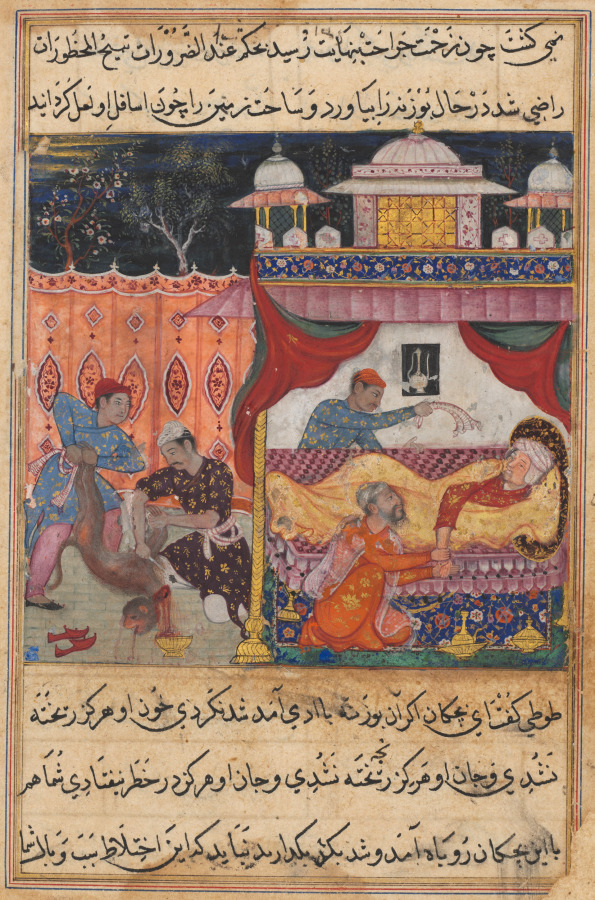 The monkey slain, his blood to be used as medicine for the ailing prince he has bitten, from a Tuti-nama (Tales of a Parrot): Fifth NightBasawan · c. 1560
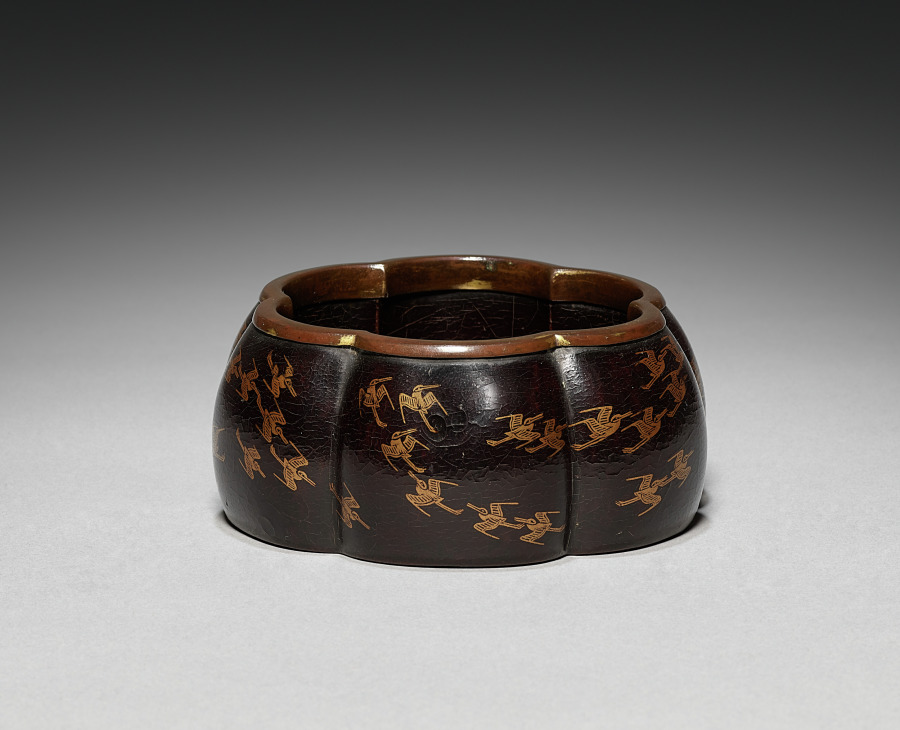 Incense BurnerJapan, Nanbokuchō period (1336–92) · late 1300s
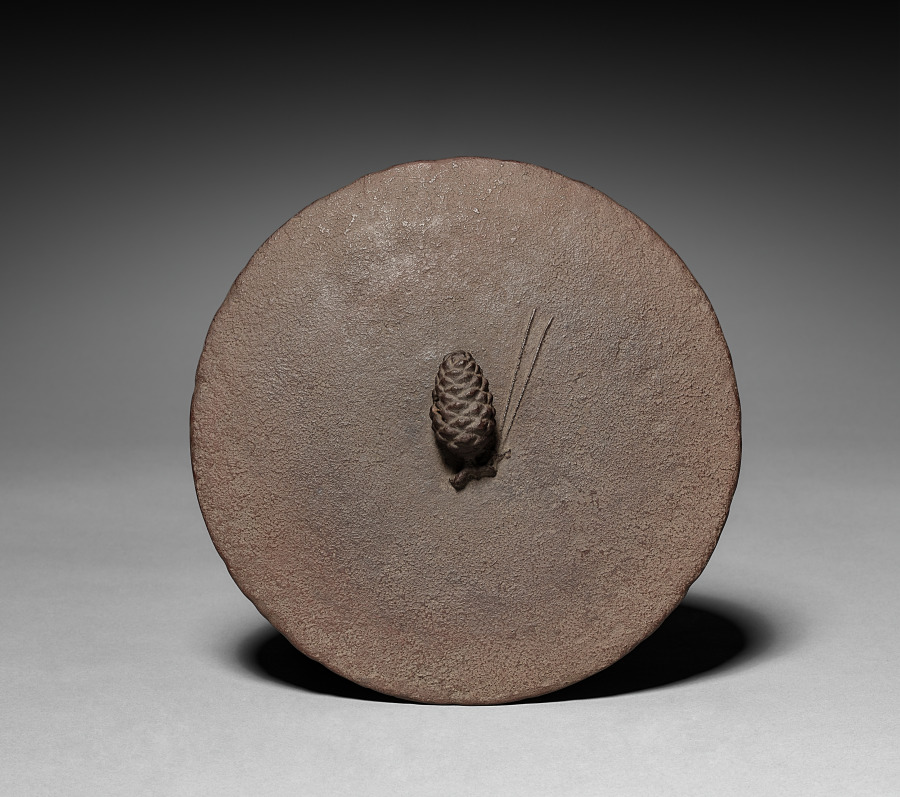 Kettle with Crane Design (lid)Japan, Muromachi period (1392–1573) · 1392–1573
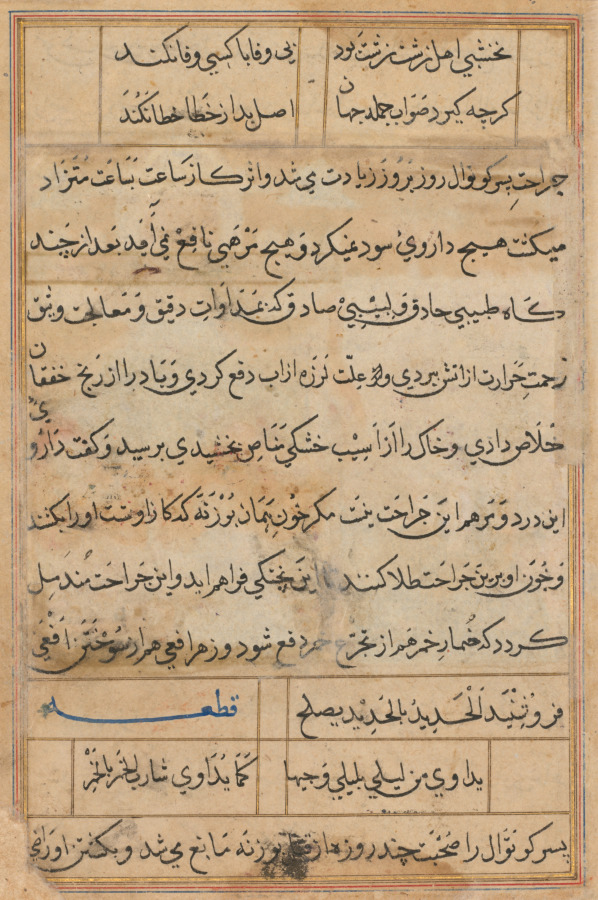 Page from Tales of a Parrot (Tuti-nama): text pageMughal India, court of Akbar (reigned 1556–1605) · c. 1560
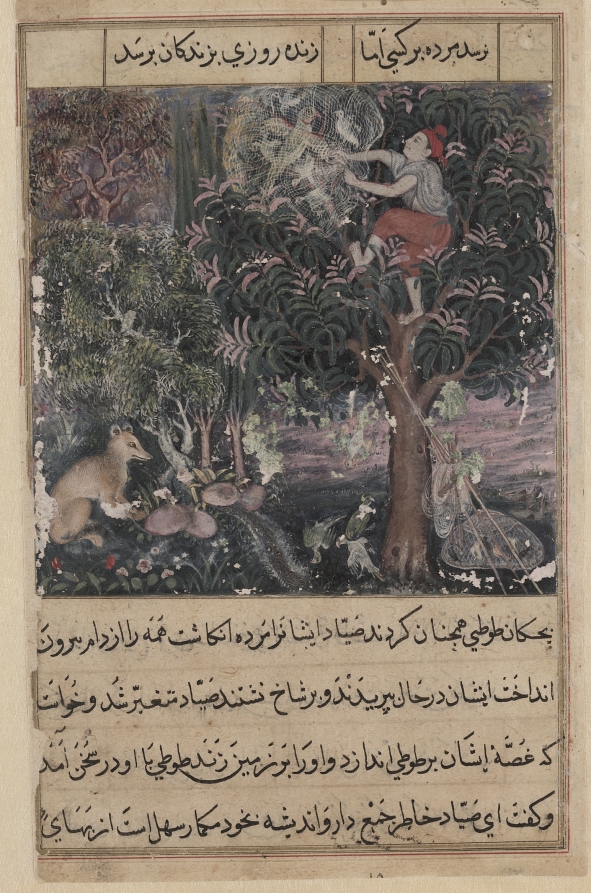 The hunter throws away the baby parrots, who pretend to be dead, and captures the mother, from a Tuti-nama (Tales of a Parrot): Fifth NightBasavana · c. 1560
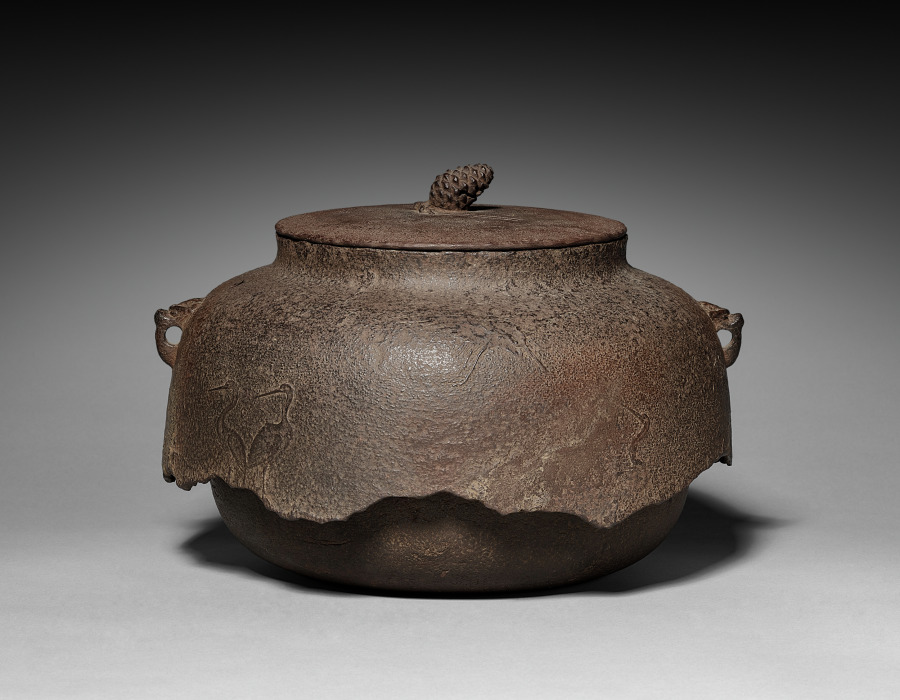 Kettle with Crane DesignJapan, Muromachi period (1392–1573) · 1392–1573
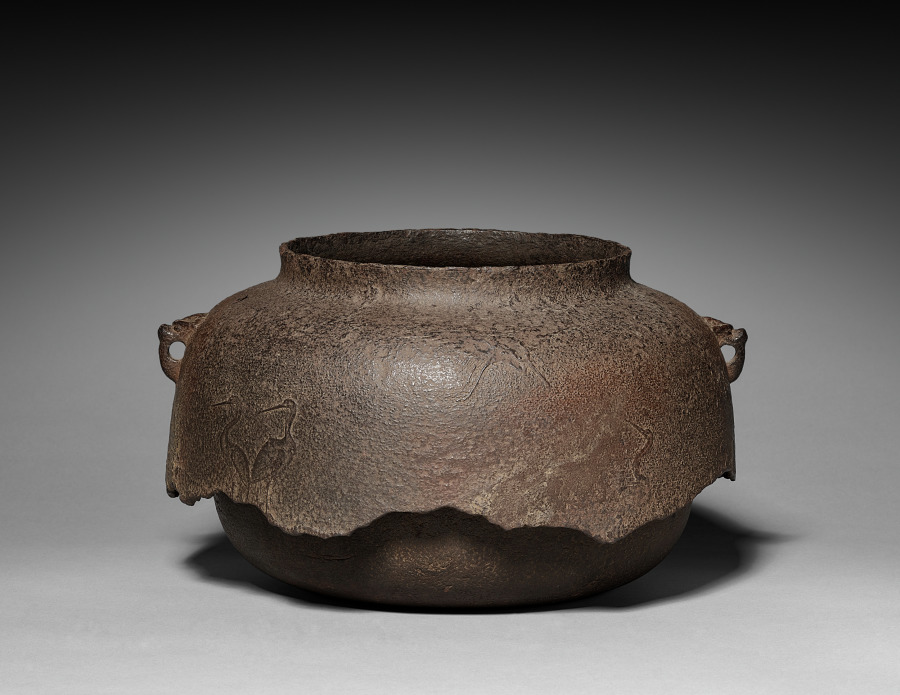 Kettle with Crane DesignJapan, Muromachi period (1392–1573) · 1392–1573
 Incense Burner (lid)Japan, Nanbokuchō period (1336–92) · late 1300s
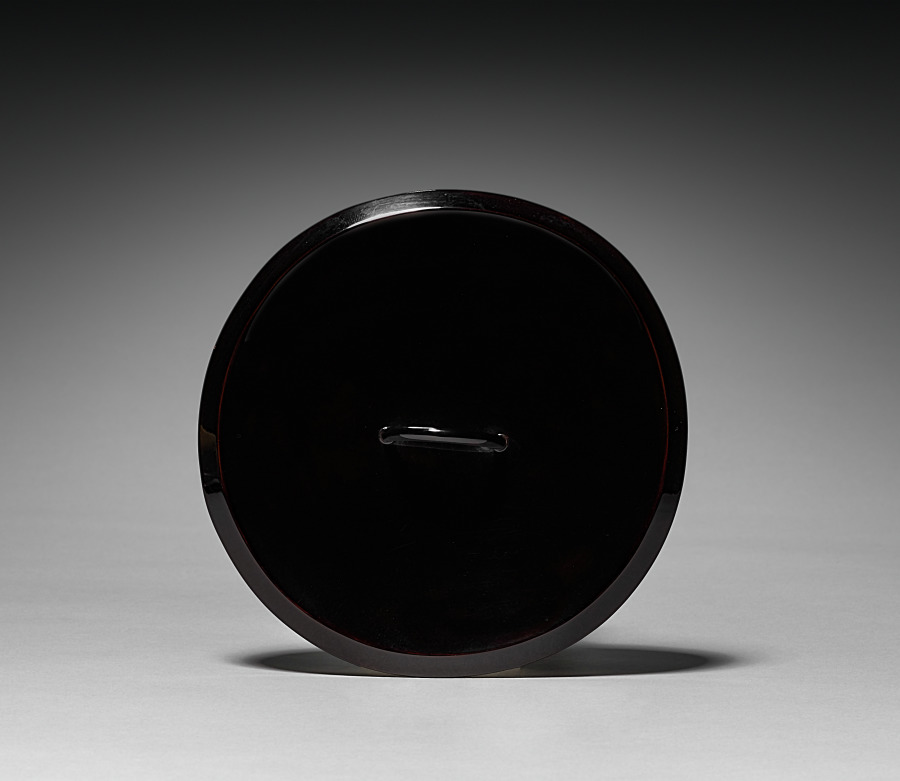 Water Container (Mizusashi) with Riverscape (lid)Japan, Momoyama period (1573-1615) to Edo period (1615-1858) · late 1500s–early 1600s
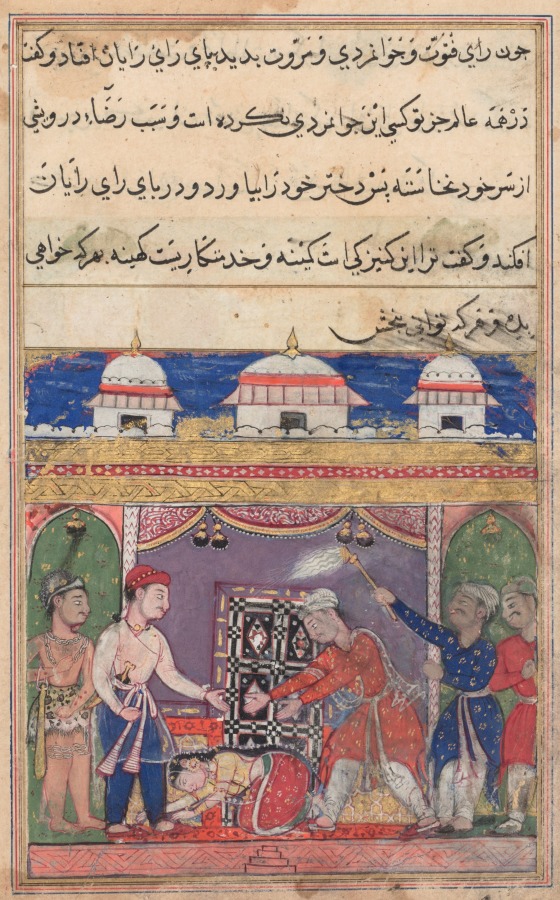 The king of Bahilistan offers his daughter to the King of Kings, from a Tuti-nama (Tales of a Parrot): Seventh NightMughal India, court of Akbar (reigned 1556–1605) · c. 1560
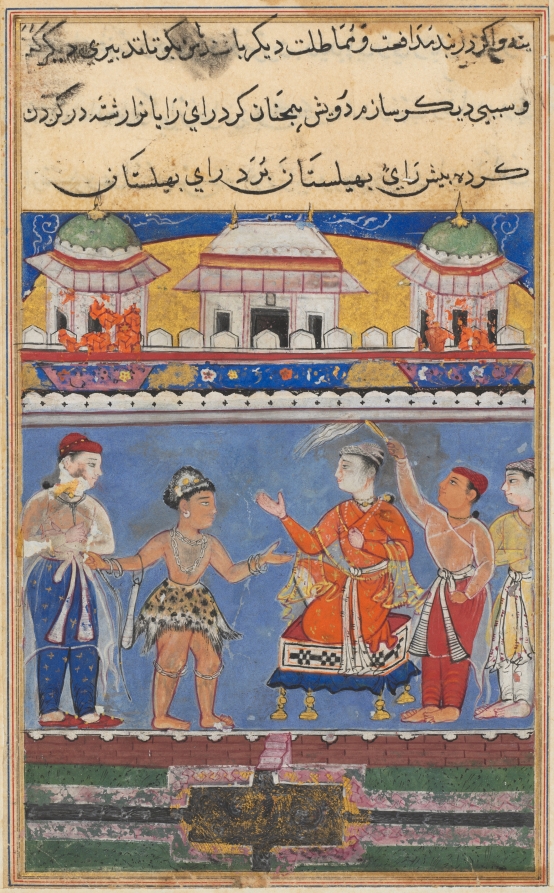 The dervish brings the King of Kings before the king of Bahilistan, from a Tuti-nama (Tales of a Parrot): Seventh NightMughal India, court of Akbar (reigned 1556–1605) · c. 1560
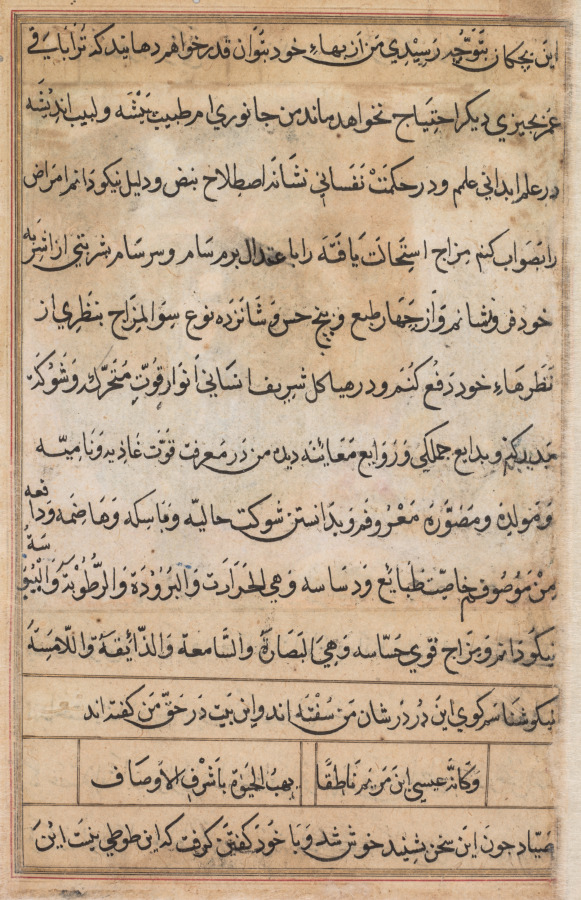 Page from Tales of a Parrot (Tuti-nama): text pageBasavana · c. 1560