잠시만 기다려 주세요
잠시만 기다려 주세요
작품의 주요 특징과 배경을 연결해 살펴봐요.
가이드를 찾고 있습니다.
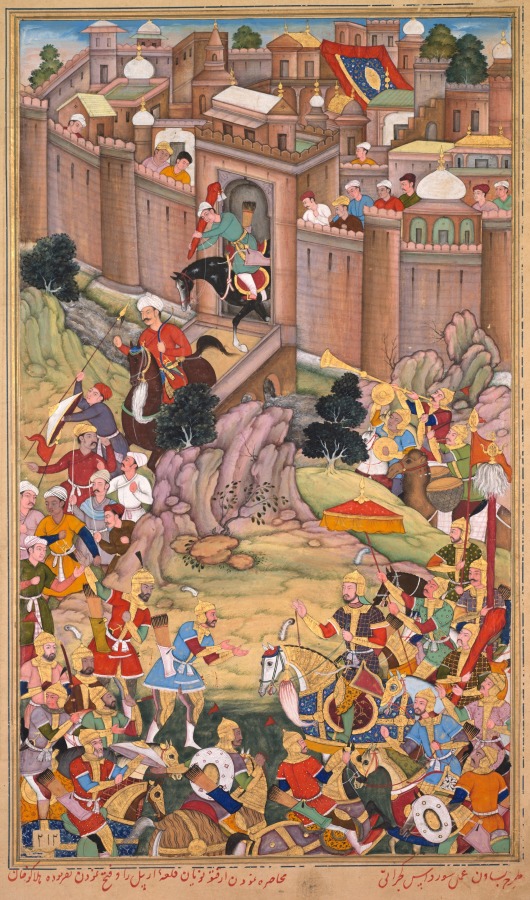
Akbar, the third Mughal emperor of India, commissioned an illustrated copy of the Chingiz-nama, a historical text written in Persian during the early 1300s by a Jewish scholar who converted to Islam. The Chingiz-nama is an account of the conquests of Akbar’s ancestors, the Mongols, who swept across the Asian continent from Siberia to the Mediterranean Sea during the 1200s. This page describes the final momentous defeat of the caliph of Baghdad, the religious head of Sunni Islam and political leader of the Abbasid dynasty, with the names of all the caliphs who came before him listed in red at the top. This fortified city in the heart of Kurdistan, now called Irbil, is in Iraq.
미술관이 쓴 설명 원문입니다(영어). 라이선스: CC0
작품 이미지와 미술관 정보를 이 기기에 저장해 인터넷 연결 없이 읽어 보세요.
궁금한 것을 내 말로 물어보세요. 미술관이 이 작품에 대해 쓴 글에서 답을 찾고, 거기에 없으면 없다고 말합니다.
이미지: Cleveland Museum of Art, CC0
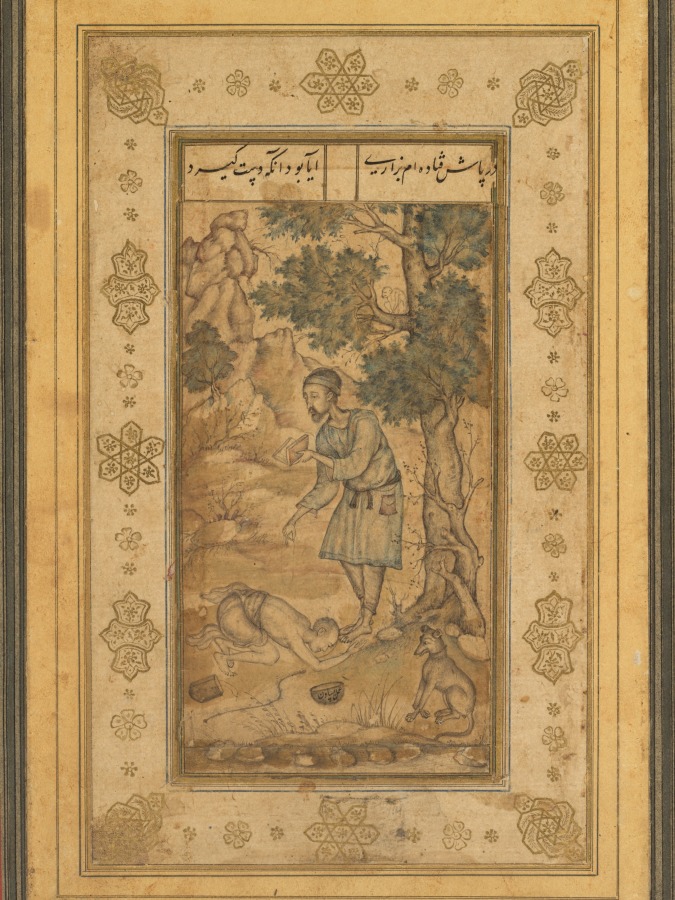
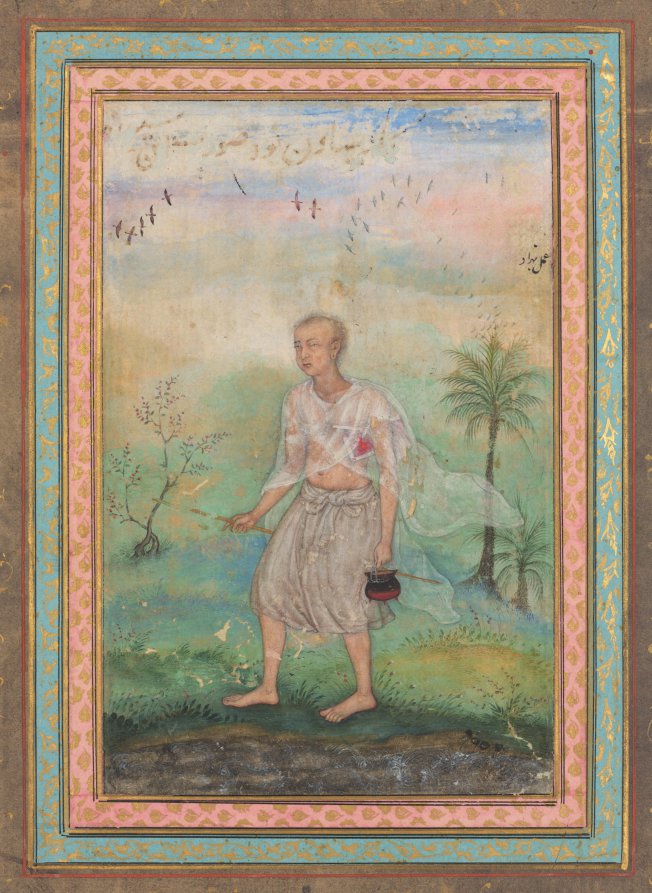 Jain Ascetic Walking Along a RiverbankBasavana · c. 1600
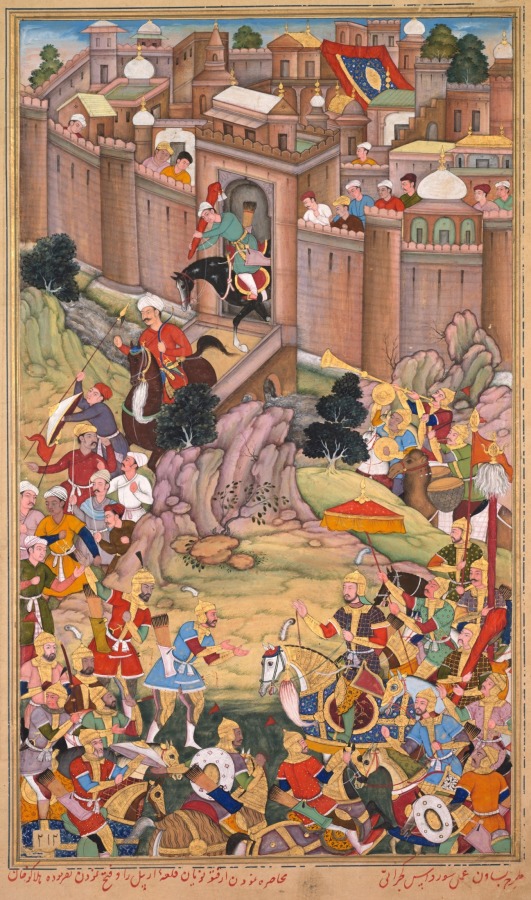 The siege of Arbela in the era of Hulagu Khan, from a Chingiz-nama (Book of Chingiz Khan) of the Jami al-tavarikh (Compendium of Chronicles) of Rashid al-Din (Persian, 1247–1318)Basavana · c. 1596
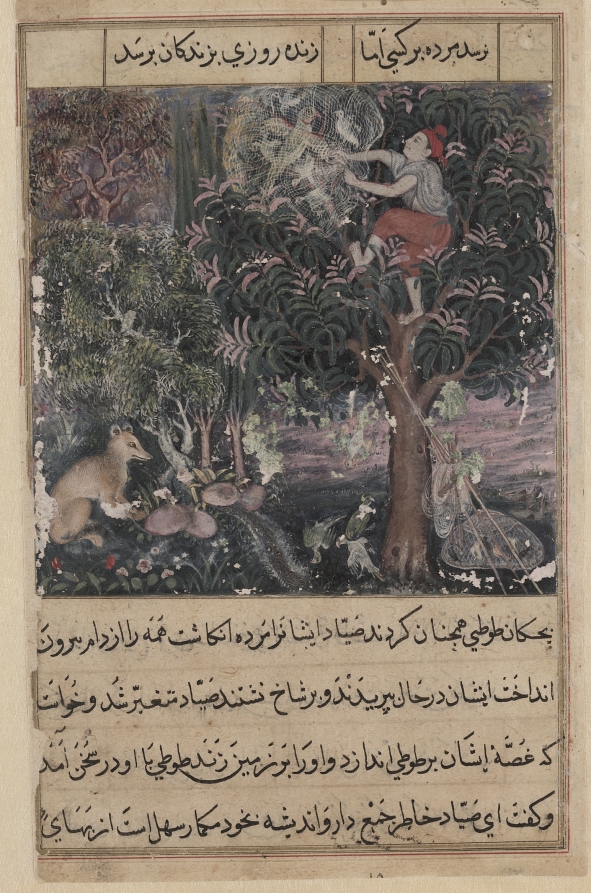
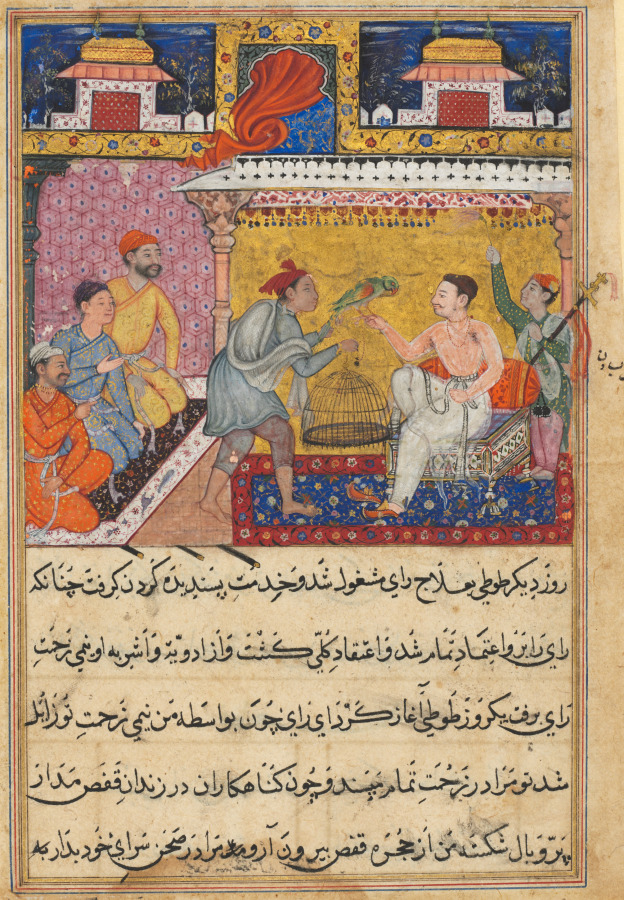 The hunter offers the mother parrot to the king of Kamarupa, from a Tuti-nama (Tales of a Parrot): Fifth NightBasavana · c. 1560