잠시만 기다려 주세요
잠시만 기다려 주세요
작품의 주요 특징과 배경을 연결해 살펴봐요.
가이드를 찾고 있습니다.
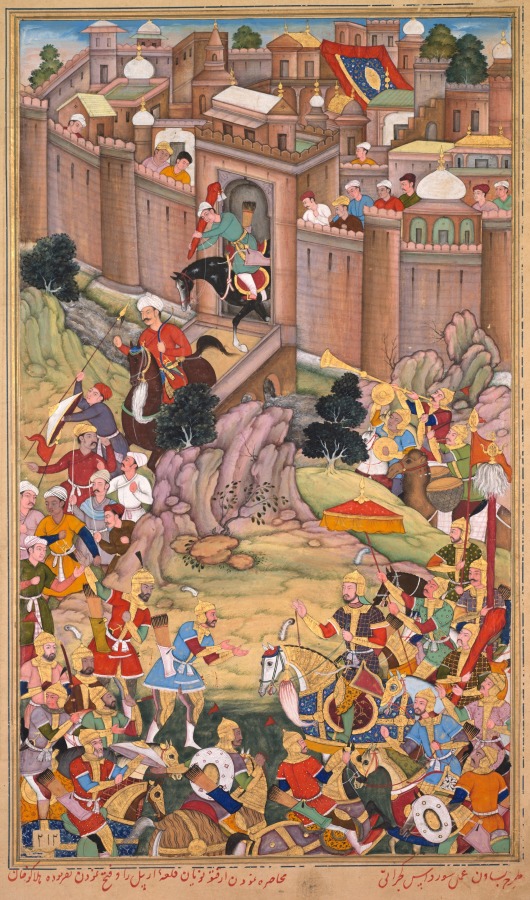
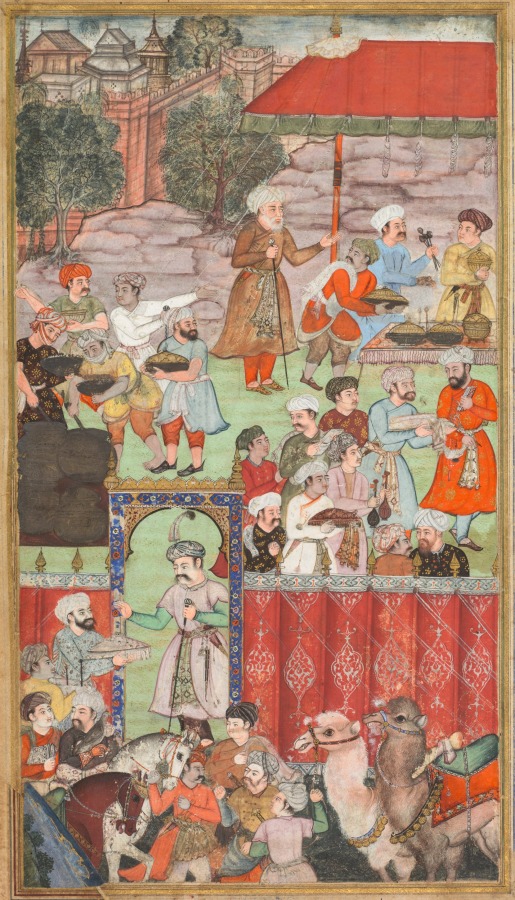
A Mongol conqueror riding a white horse gazes stonily at his defeated West Asian opponent in a scene that took place more than 300 years before this painting was made. By the end of the 1500s there was a new emphasis on creating paintings to accompany historical texts. Visually, the diagonal composition with cityscape at the top of the page—also found among the earliest Mughal paintings—was expanded to include throngs of participants and a startling new naturalism. Painting from the Akbar period reached its maturity by the 1590s in works such as this: dynamic in composition and gestures but contained within organized spaces and emphasized three-dimensionality. The lord of the citadel in blue is negotiating its surrender to the Mongol general, who rides the white horse in the lower right.
미술관이 쓴 설명 원문입니다(영어). 라이선스: CC0
작품 이미지와 미술관 정보를 이 기기에 저장해 인터넷 연결 없이 읽어 보세요.
궁금한 것을 내 말로 물어보세요. 미술관이 이 작품에 대해 쓴 글에서 답을 찾고, 거기에 없으면 없다고 말합니다.
이미지: Cleveland Museum of Art, CC0
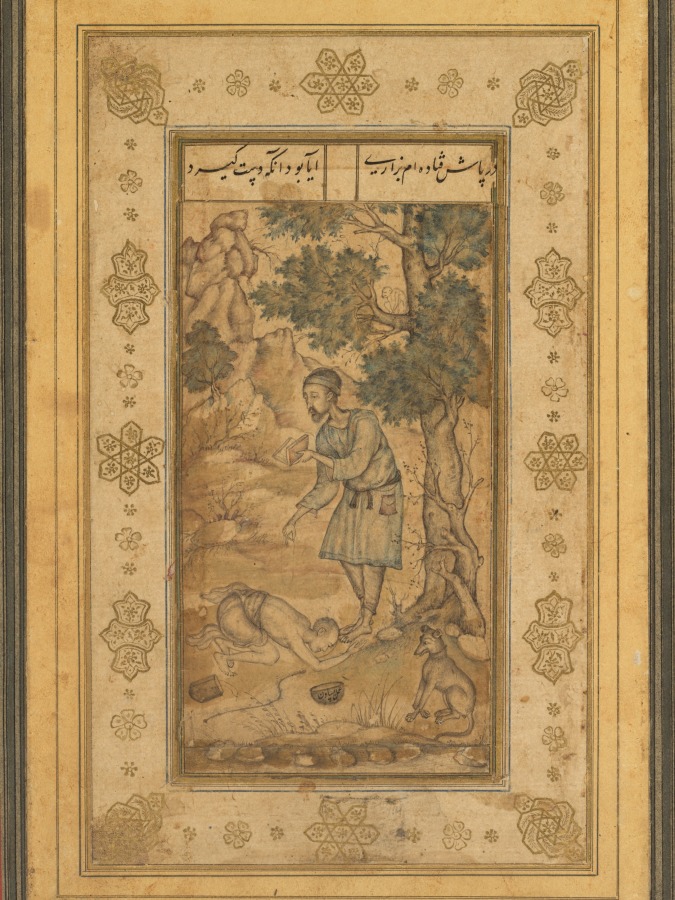
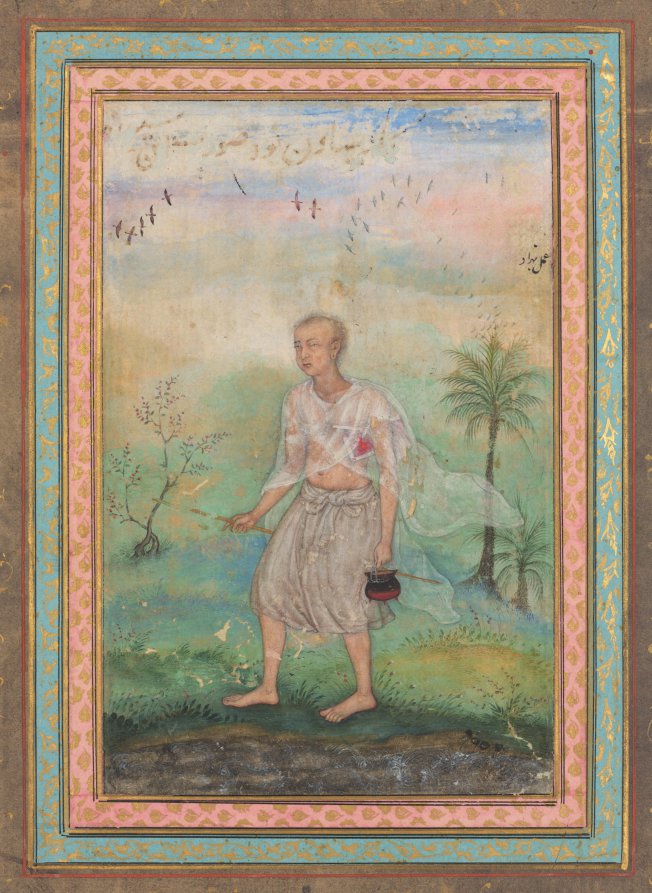 Jain Ascetic Walking Along a RiverbankBasavana · c. 1600
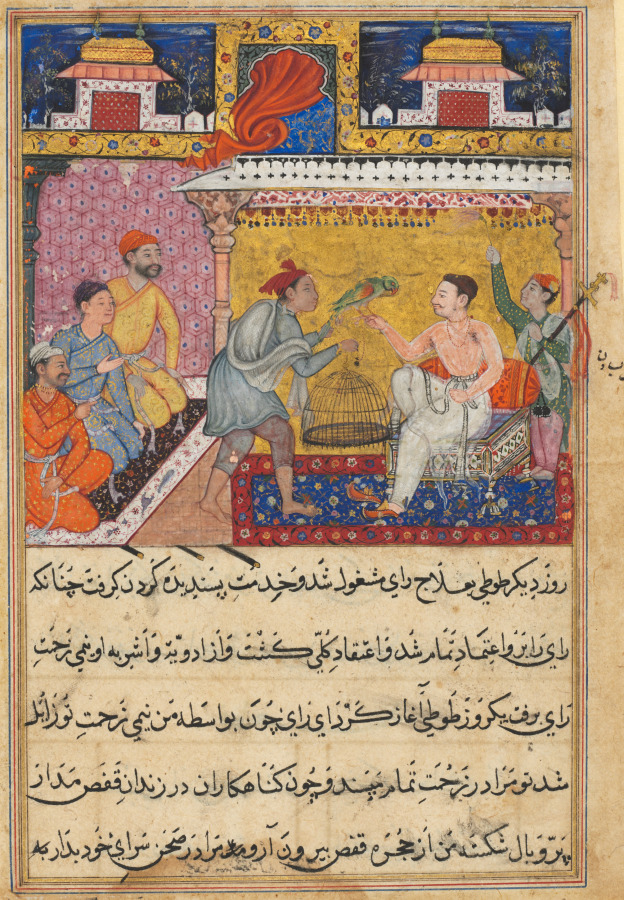 The hunter offers the mother parrot to the king of Kamarupa, from a Tuti-nama (Tales of a Parrot): Fifth NightBasavana · c. 1560
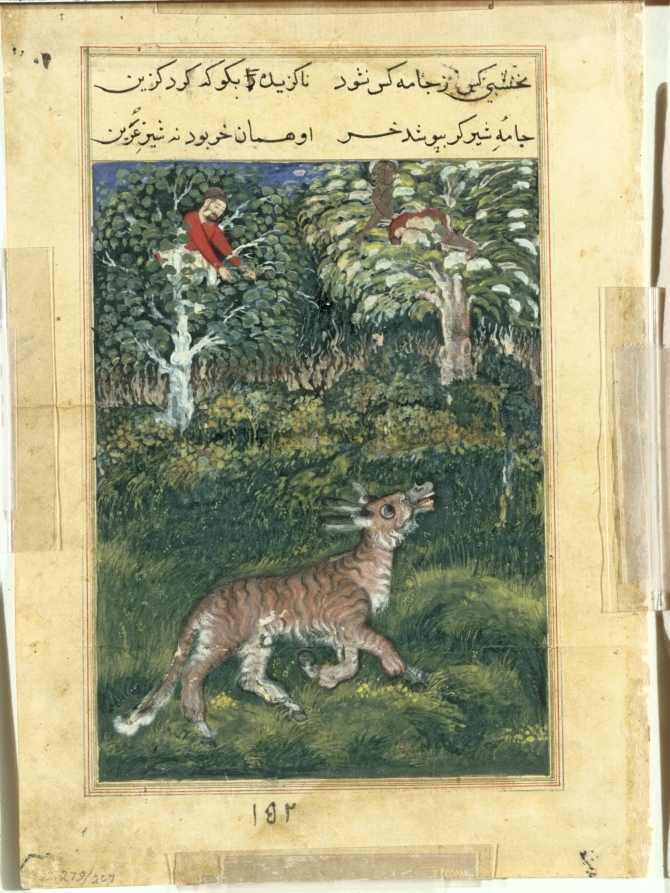
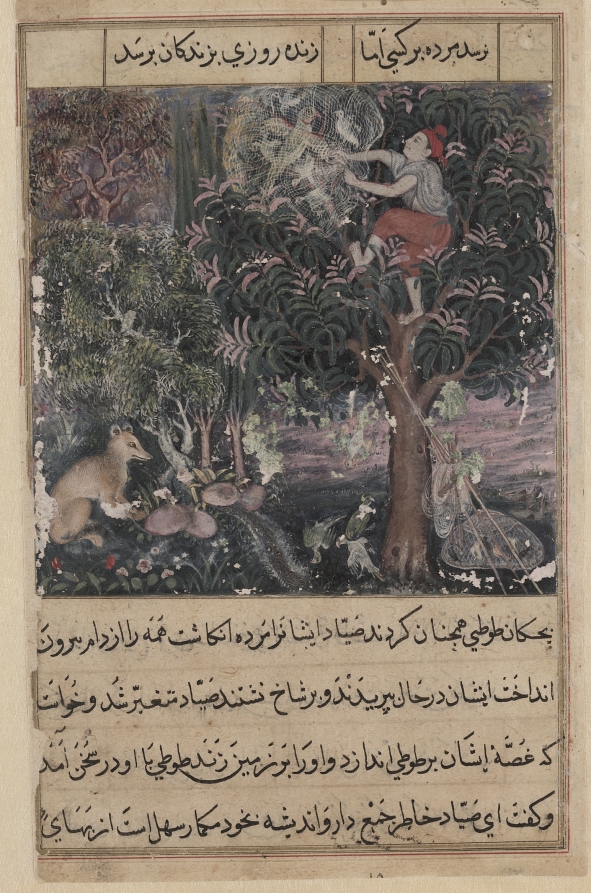 The hunter throws away the baby parrots, who pretend to be dead, and captures the mother, from a Tuti-nama (Tales of a Parrot): Fifth NightBasavana · c. 1560